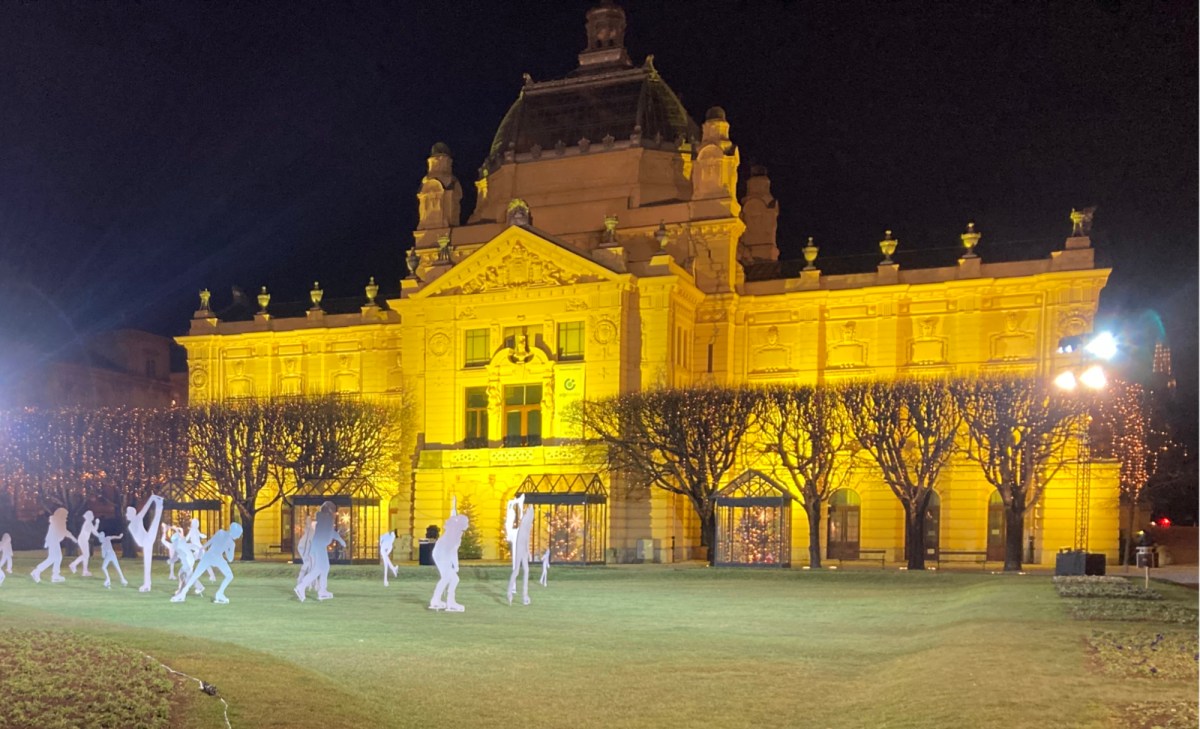
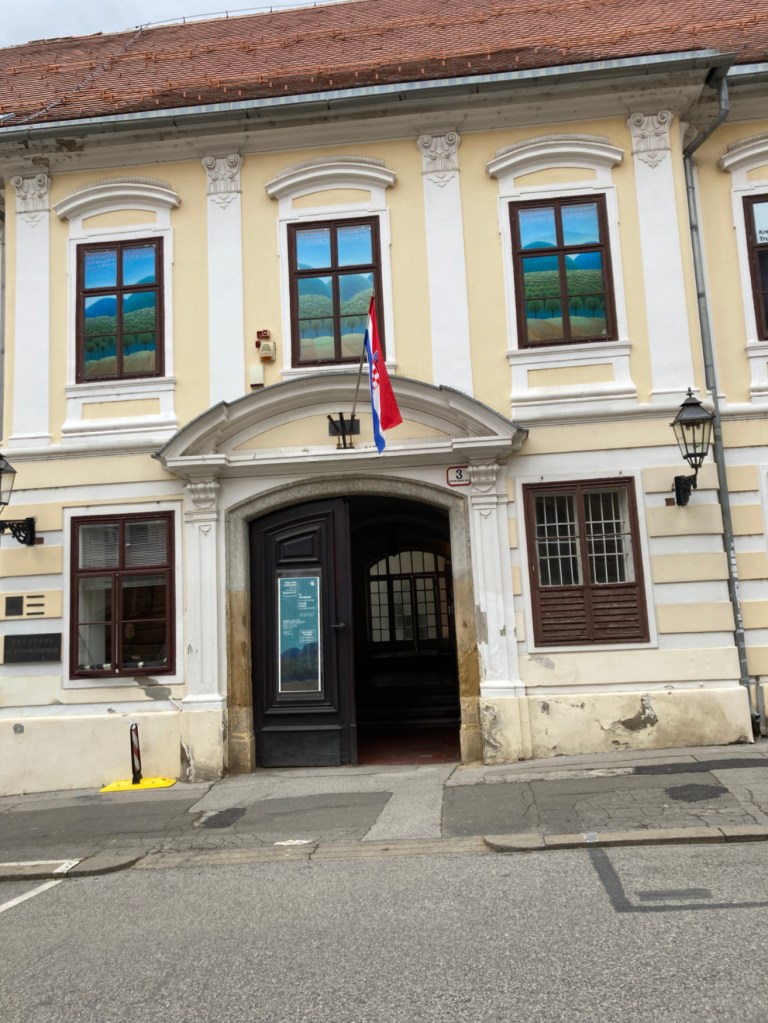
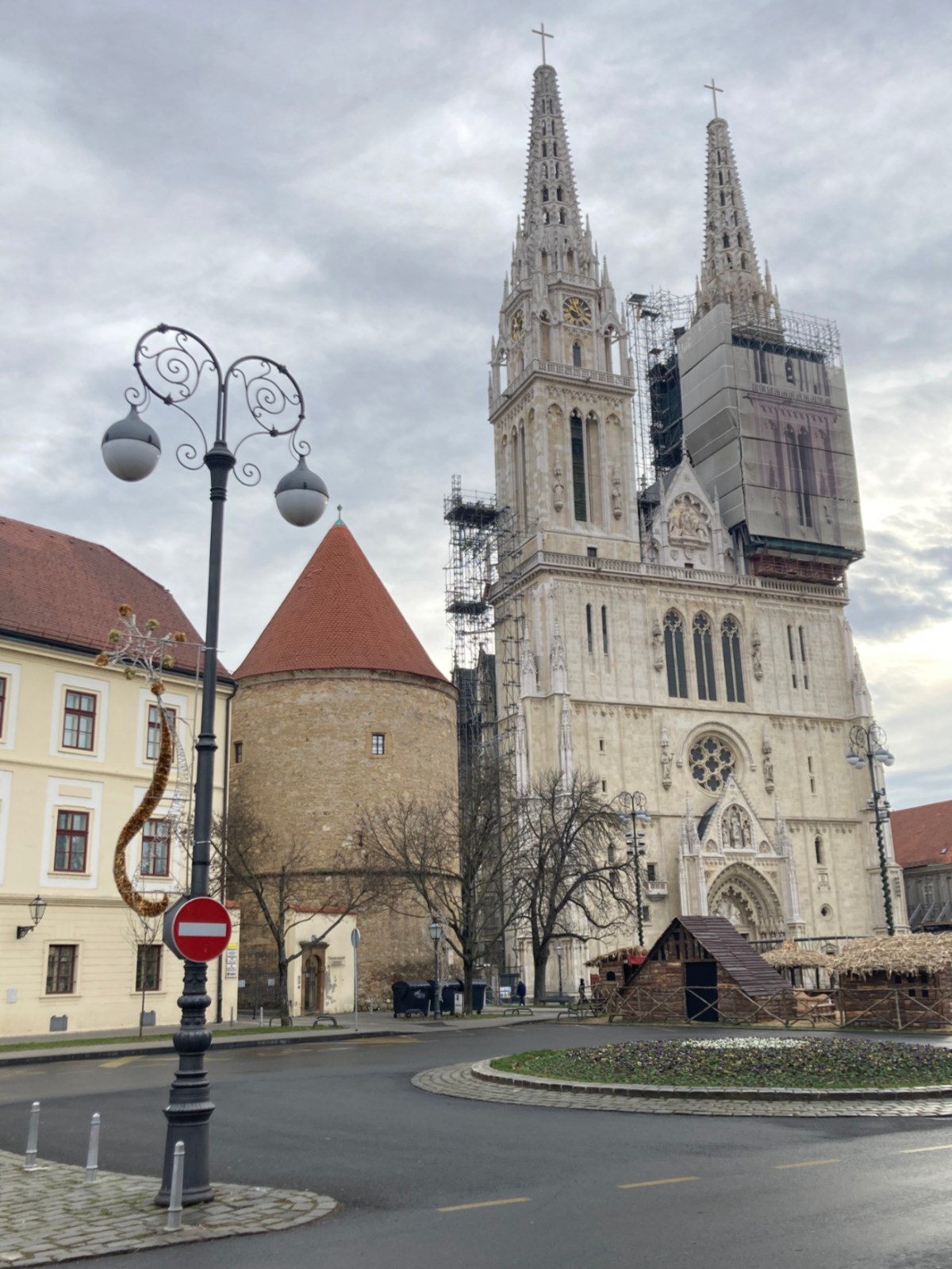
Rick Steves calls the historic architecture “Zagreb Baroque.” Susan says the buildings look like giant wedding cakes.
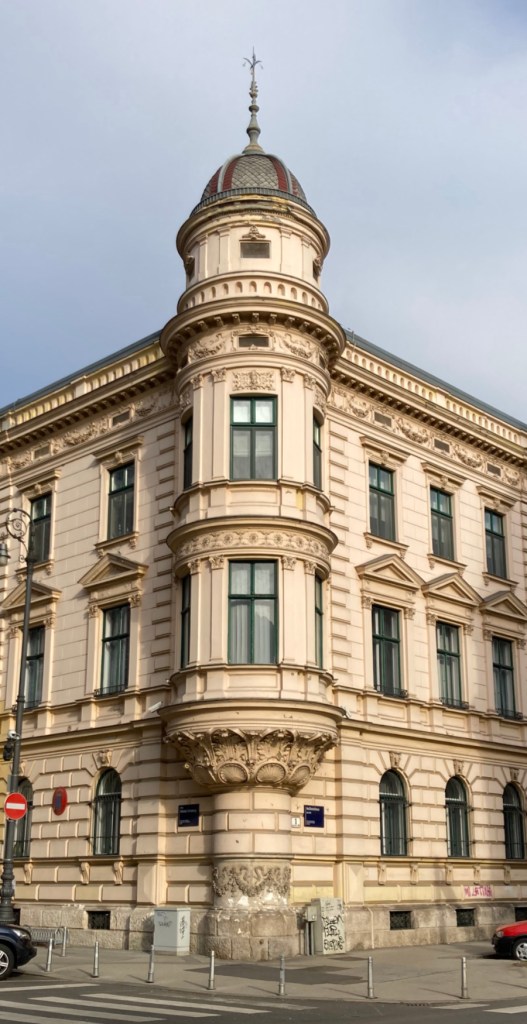
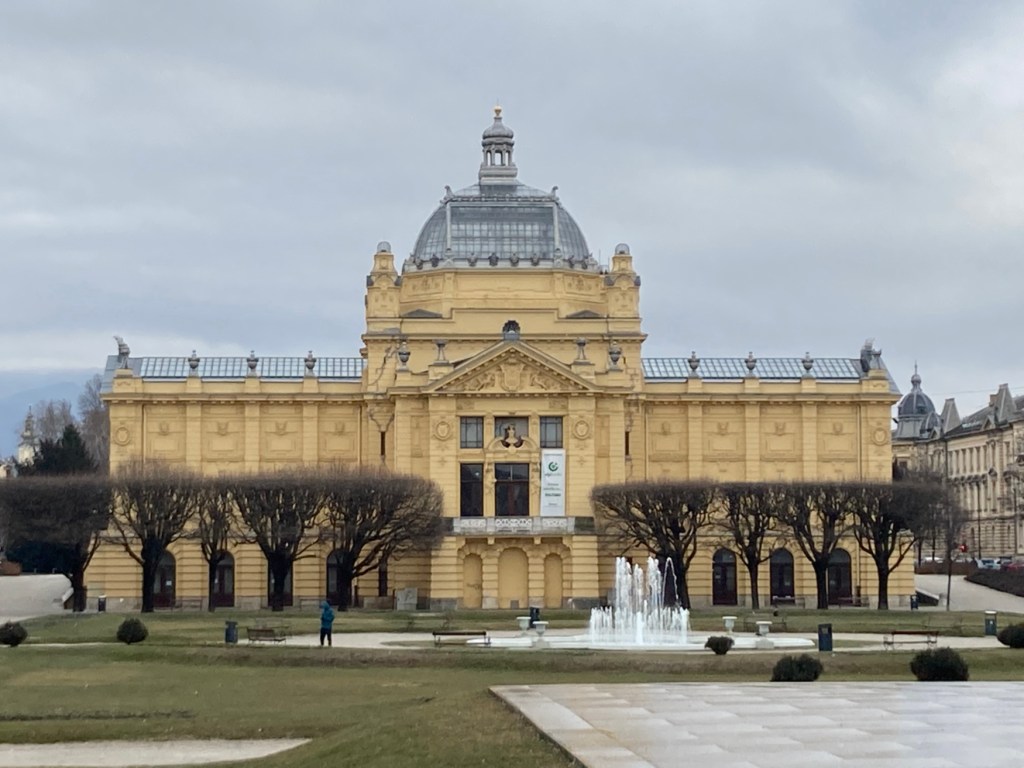
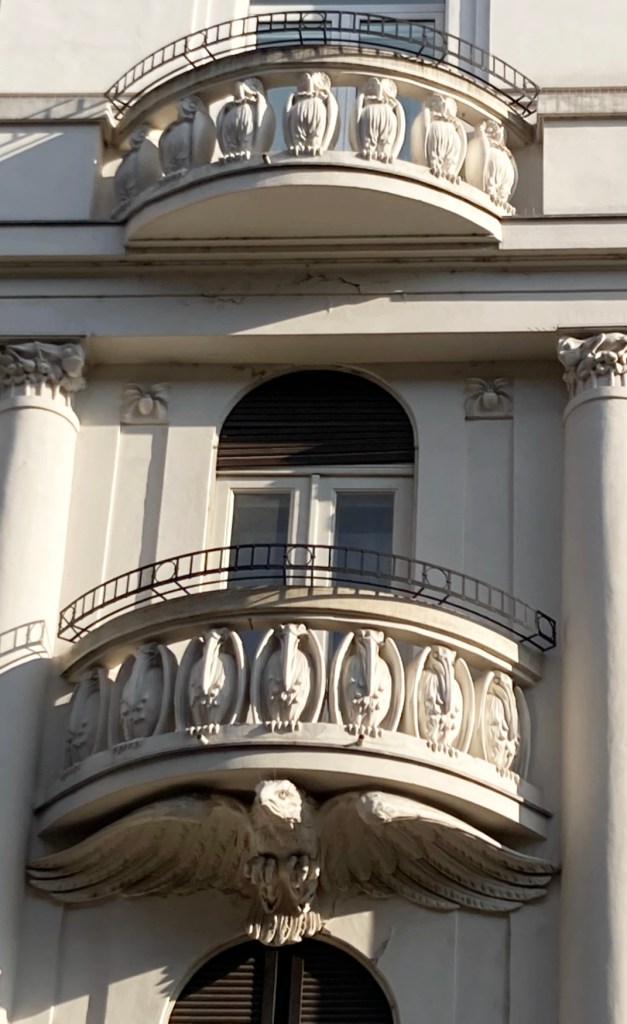
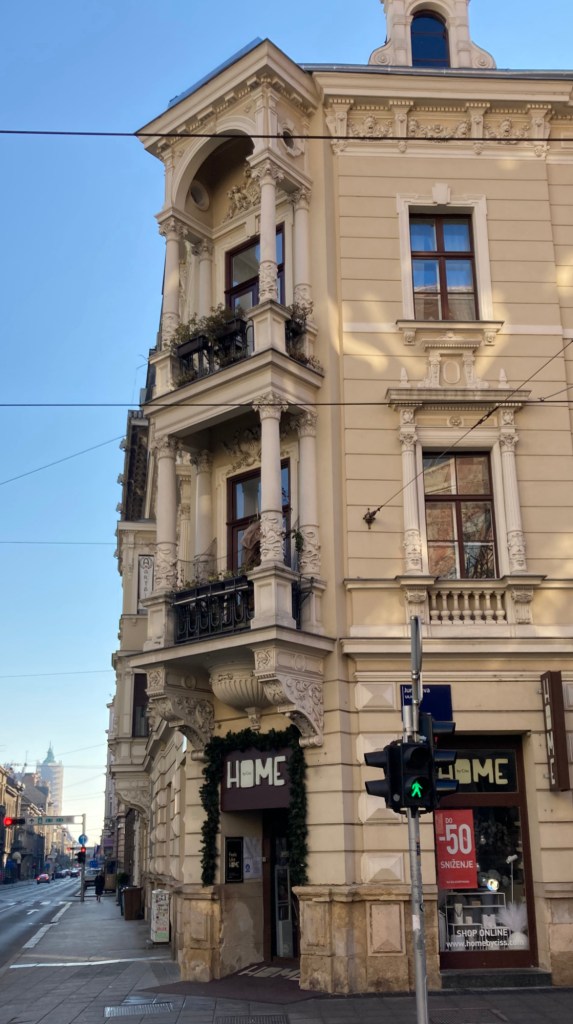
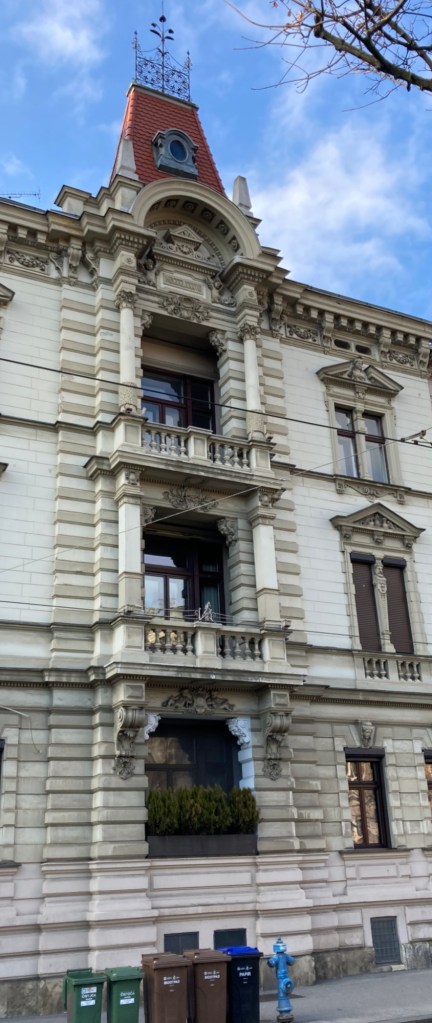
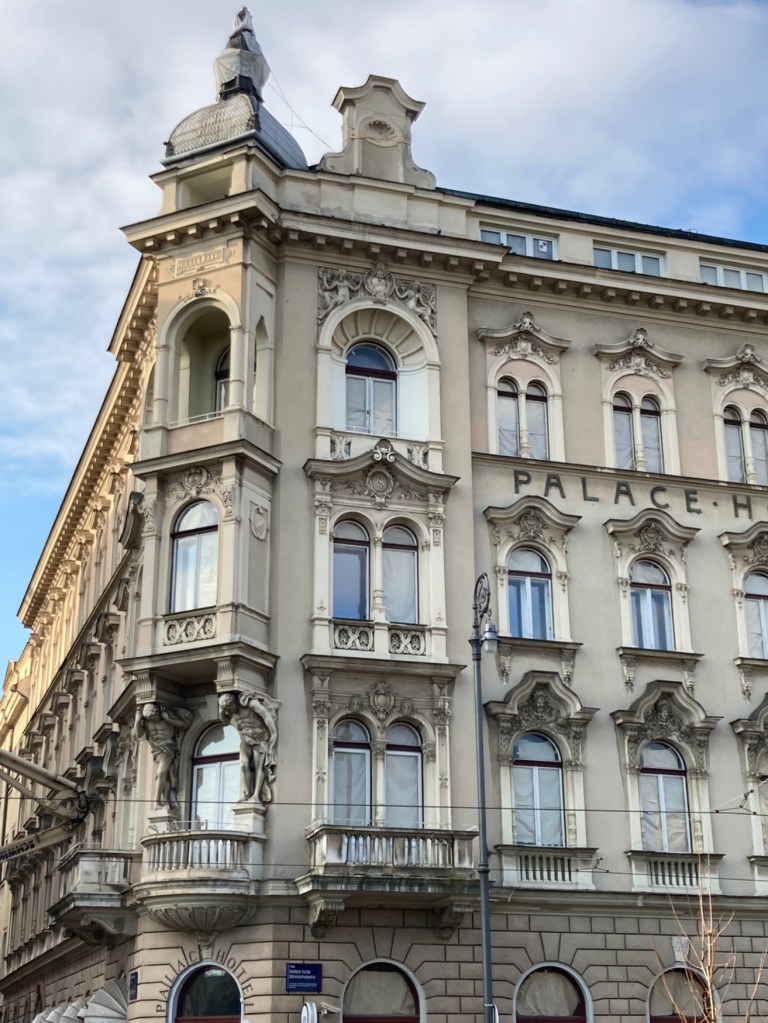
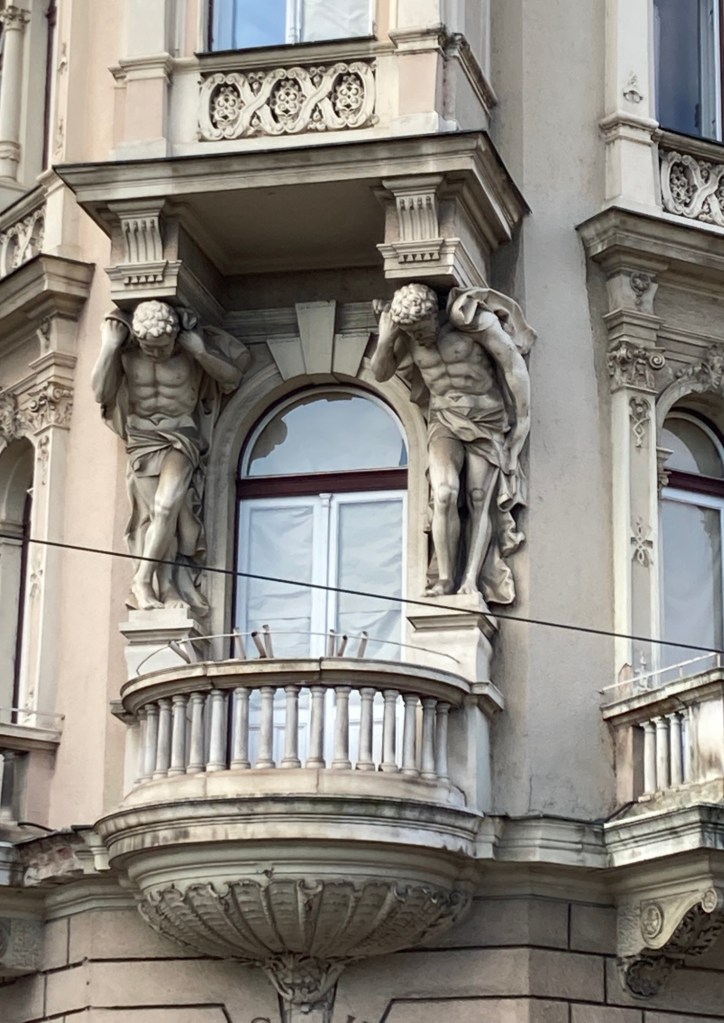
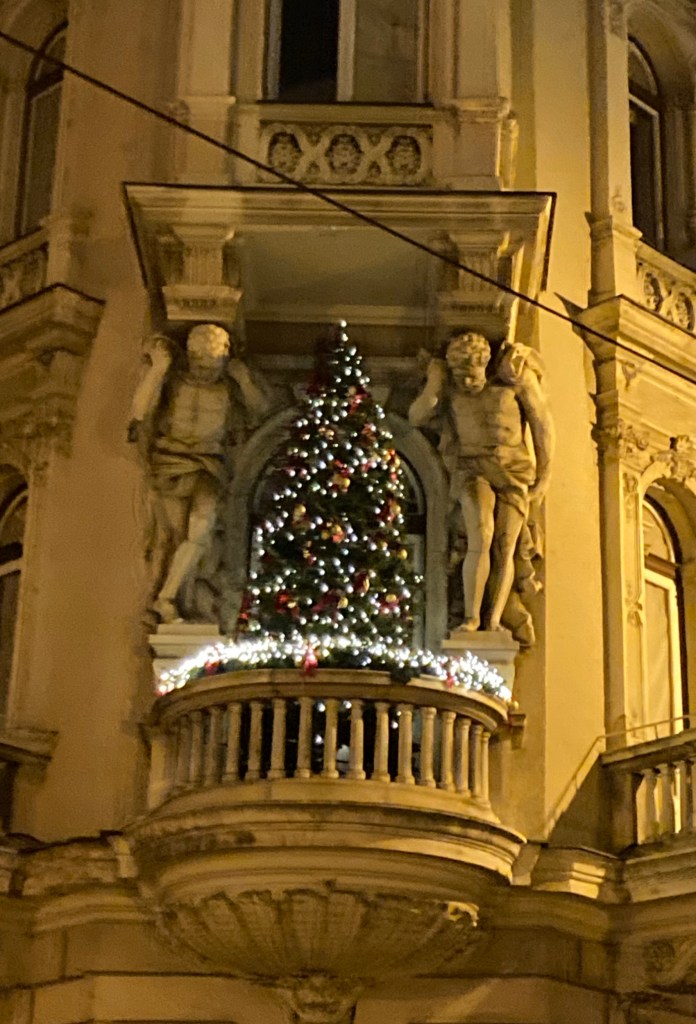
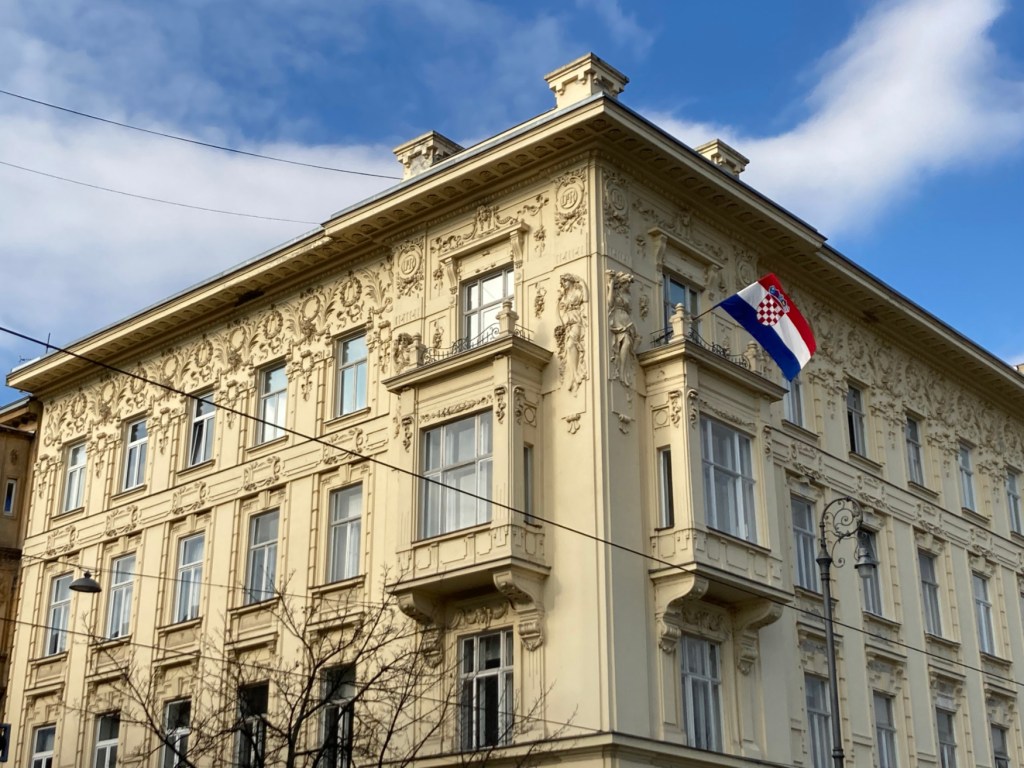
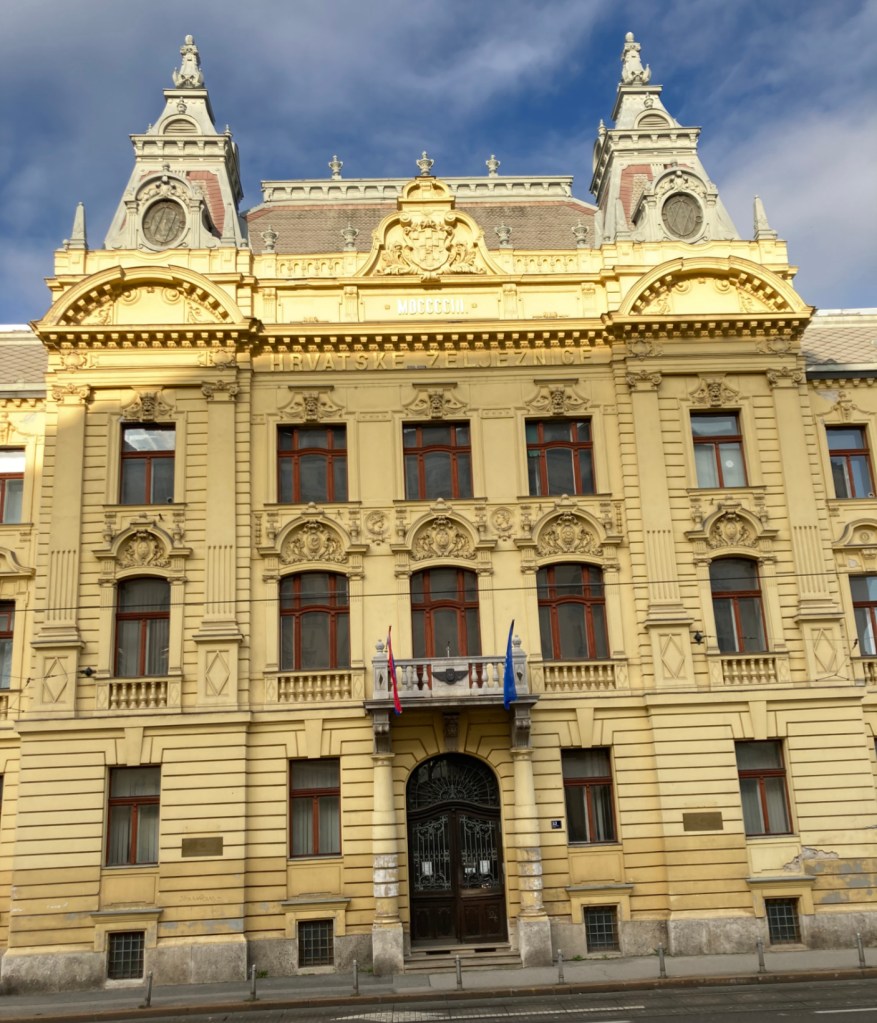
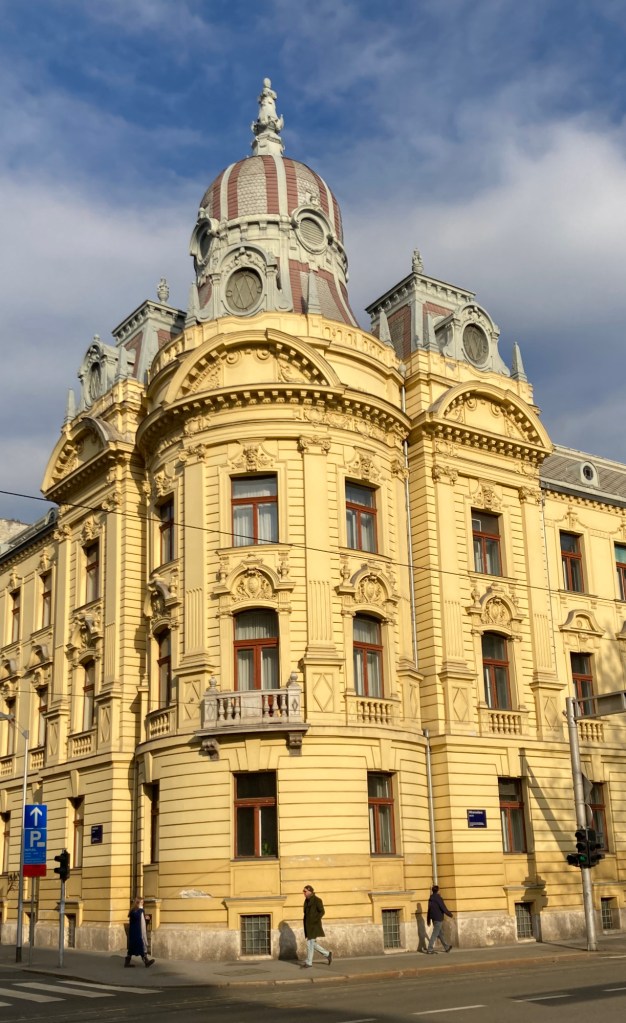
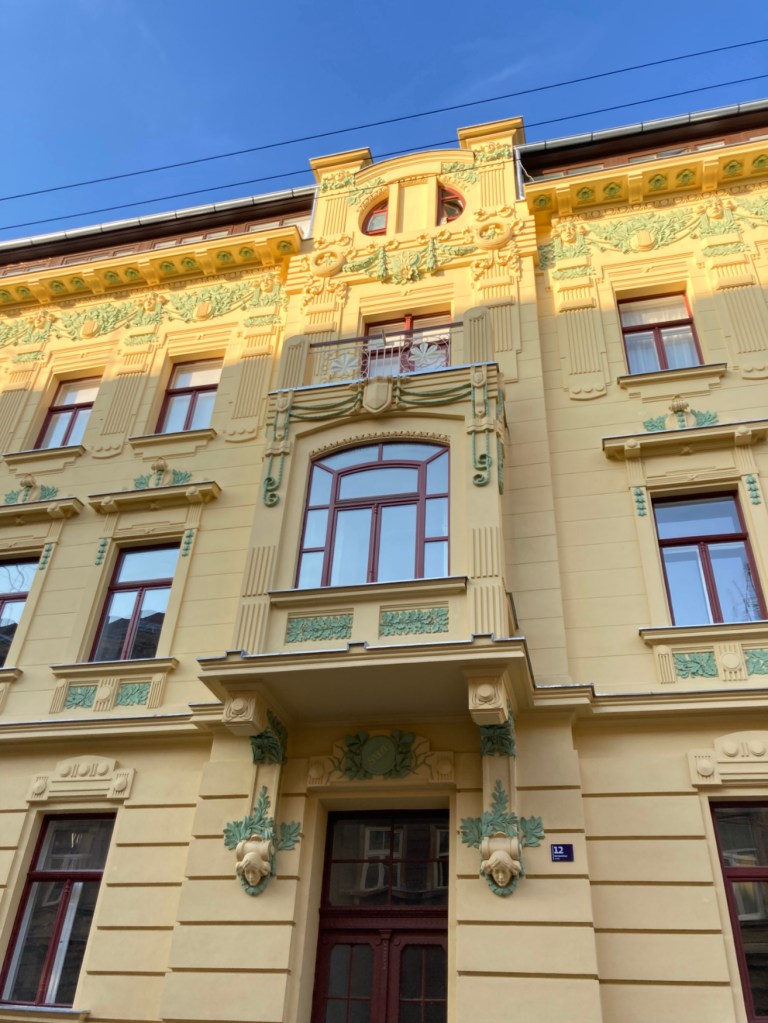
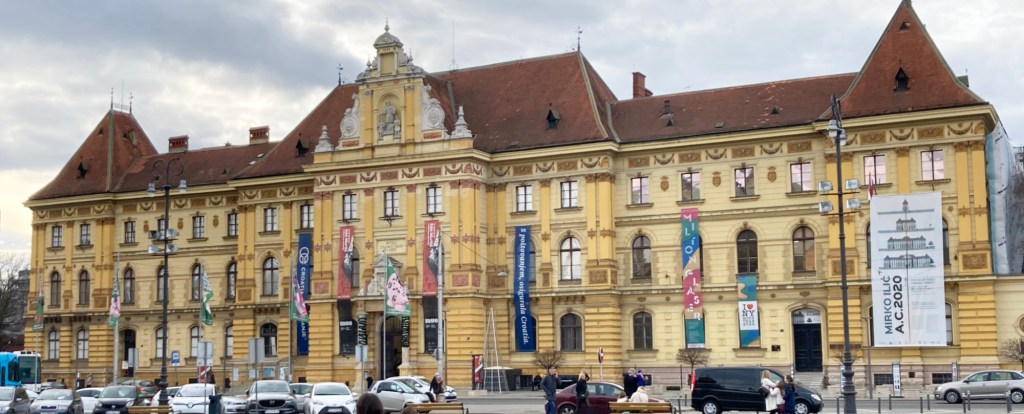
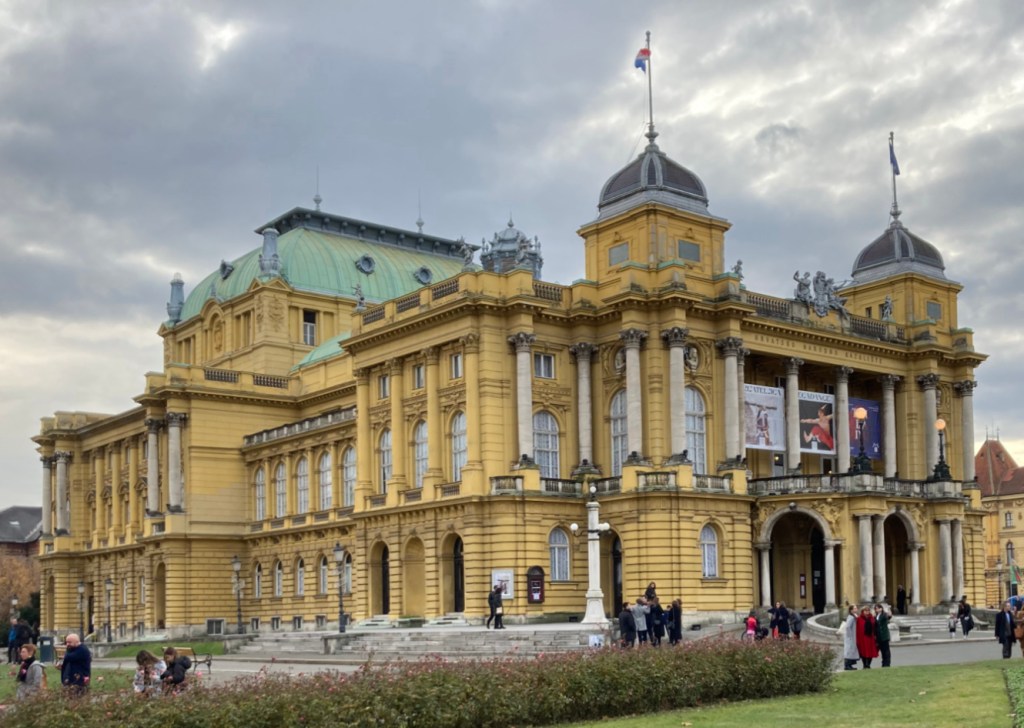
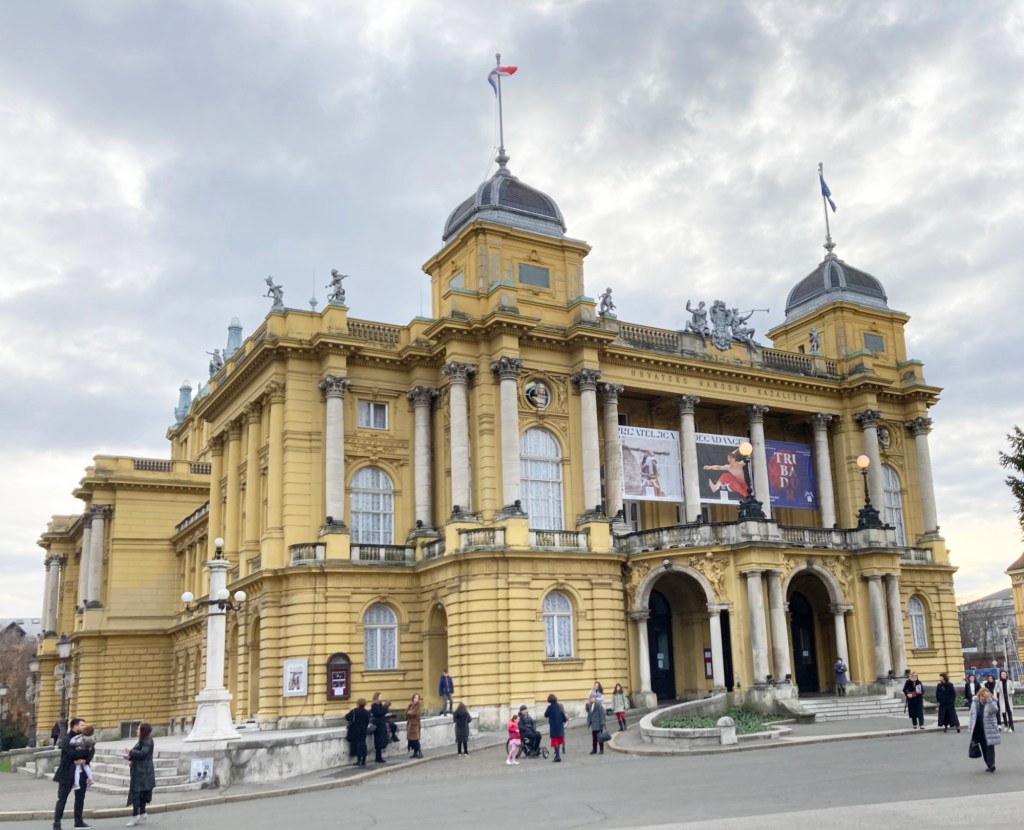
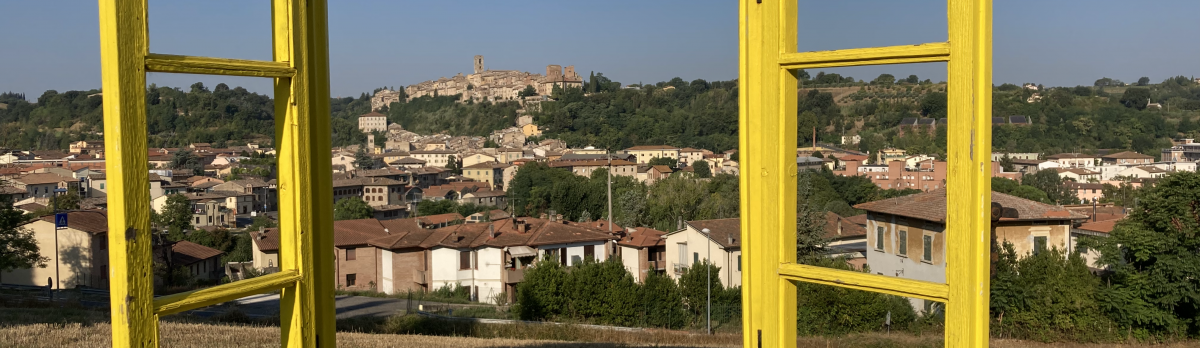
Rick Steves calls the historic architecture “Zagreb Baroque.” Susan says the buildings look like giant wedding cakes.
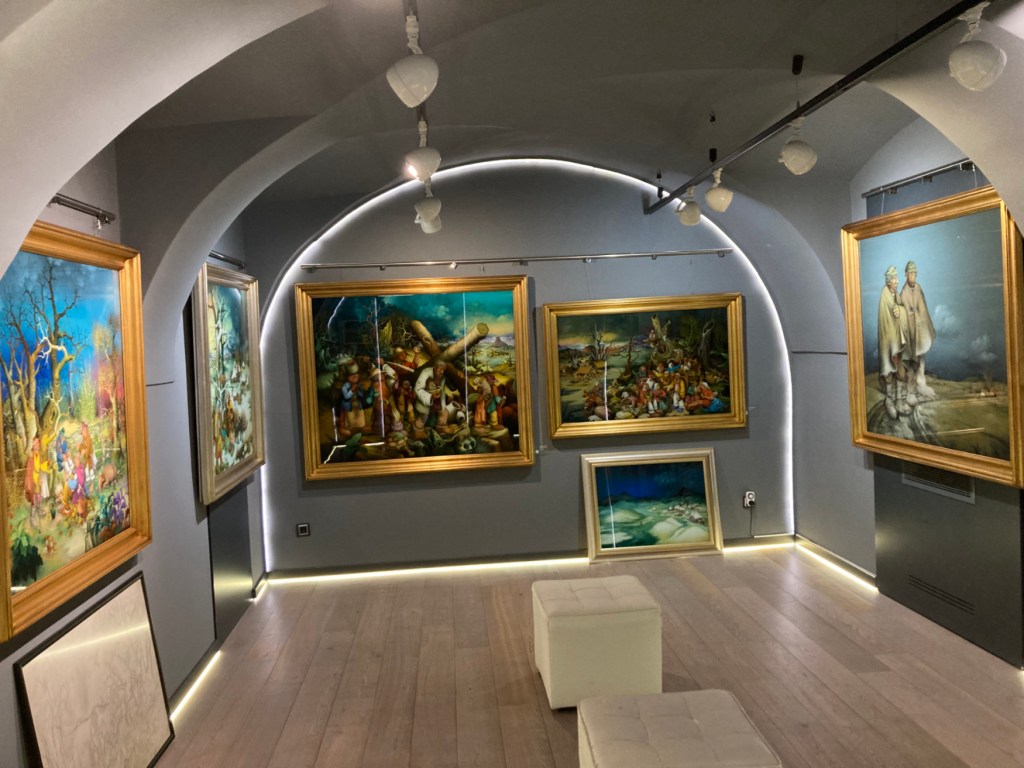
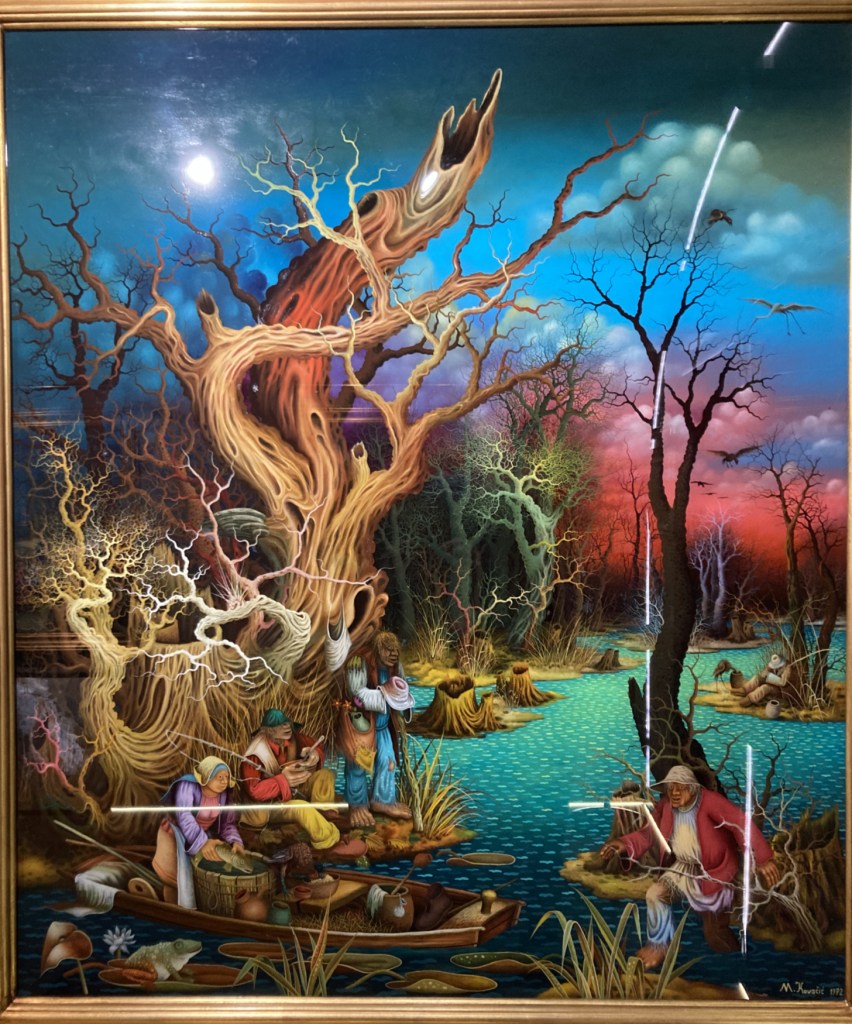
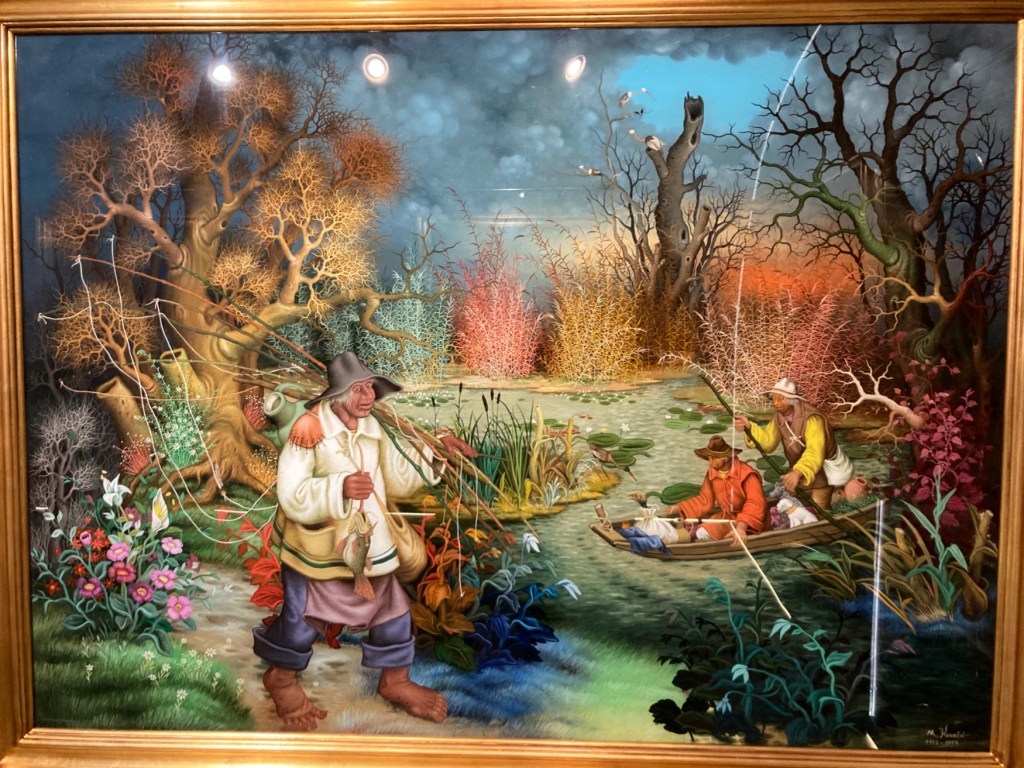
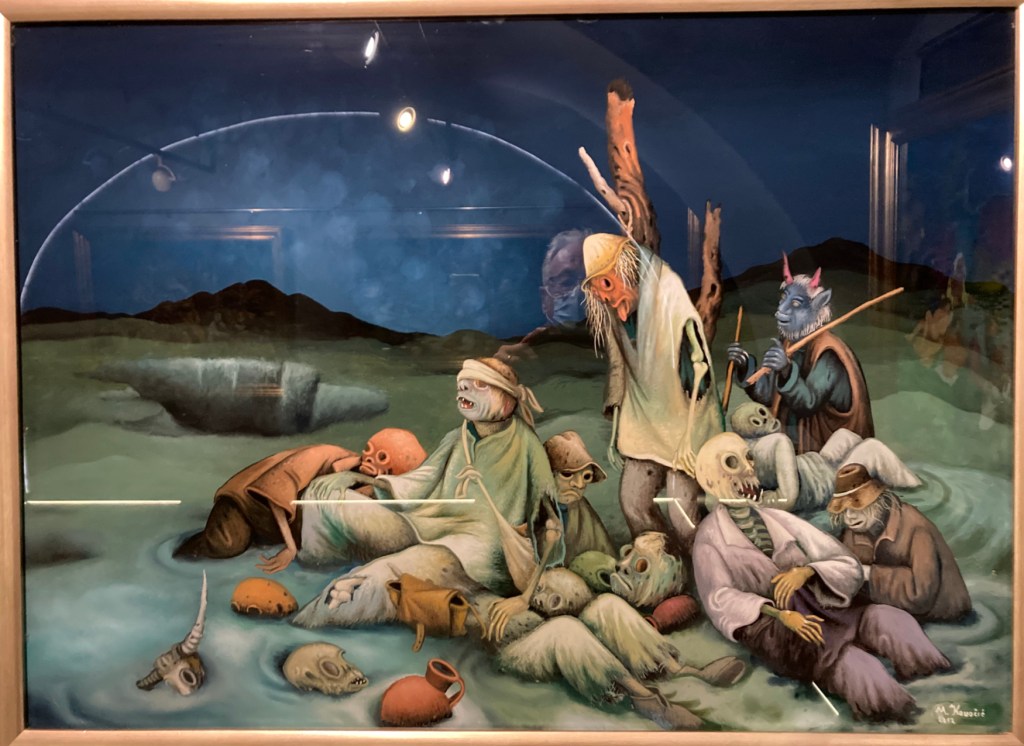
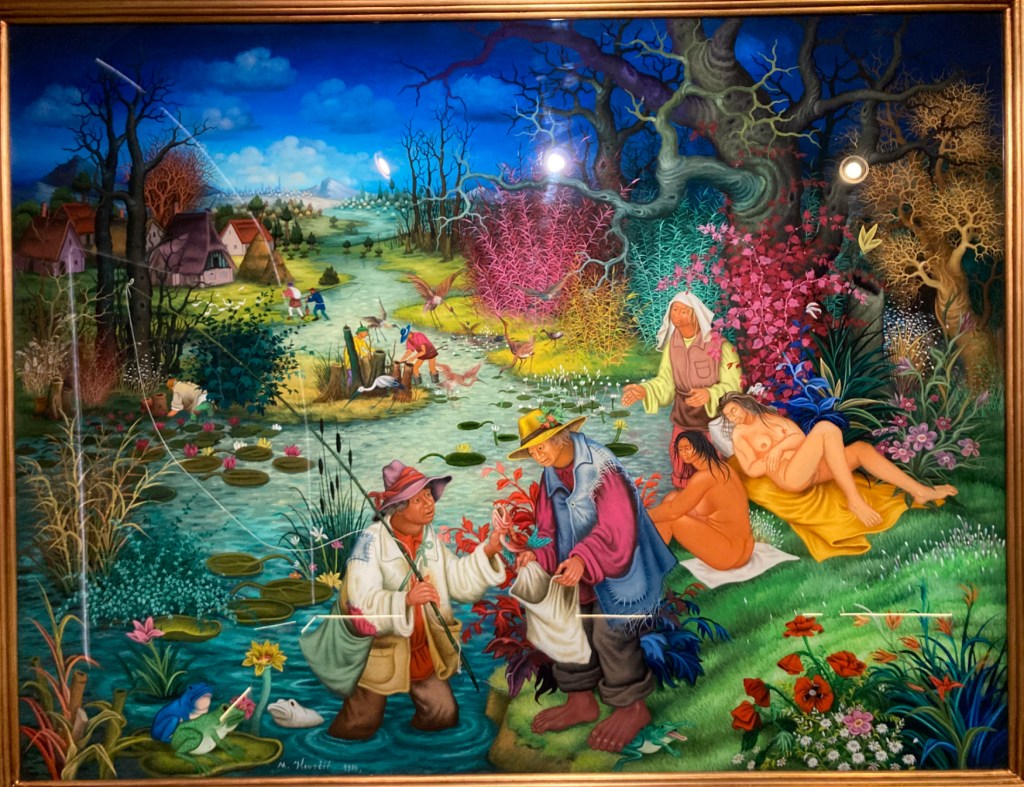
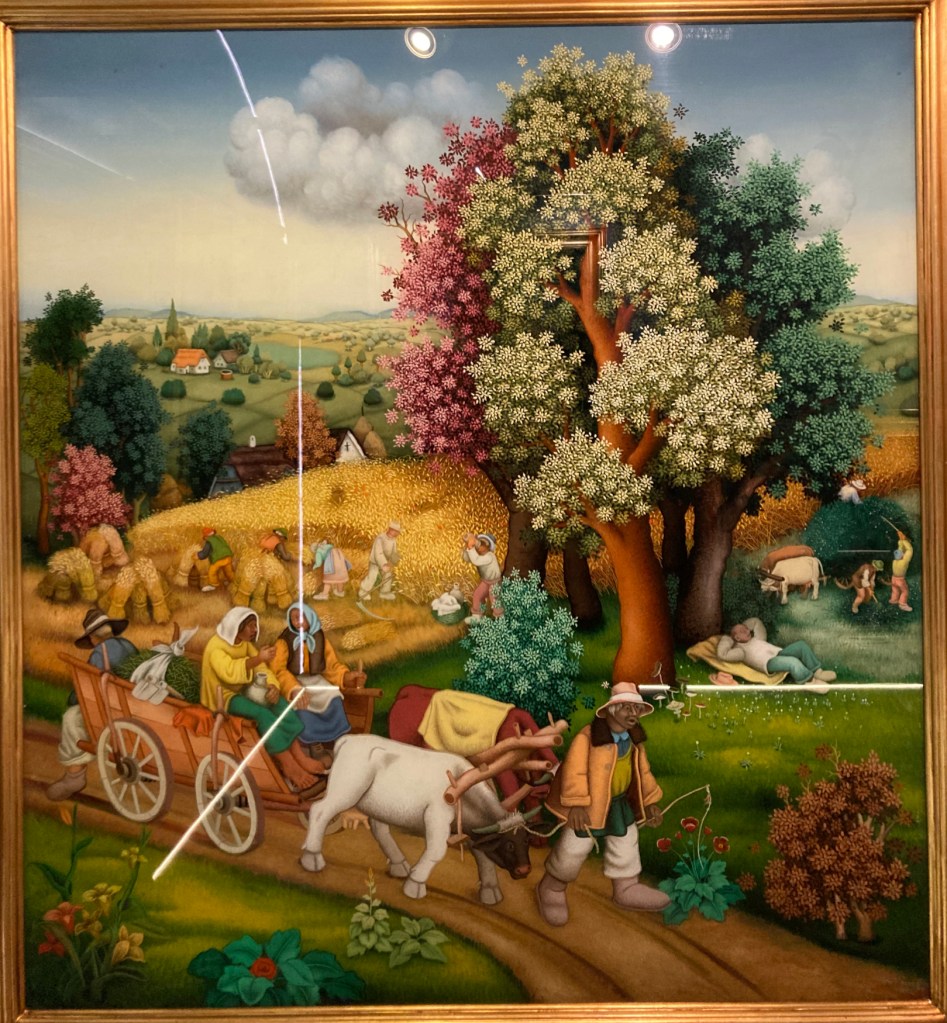
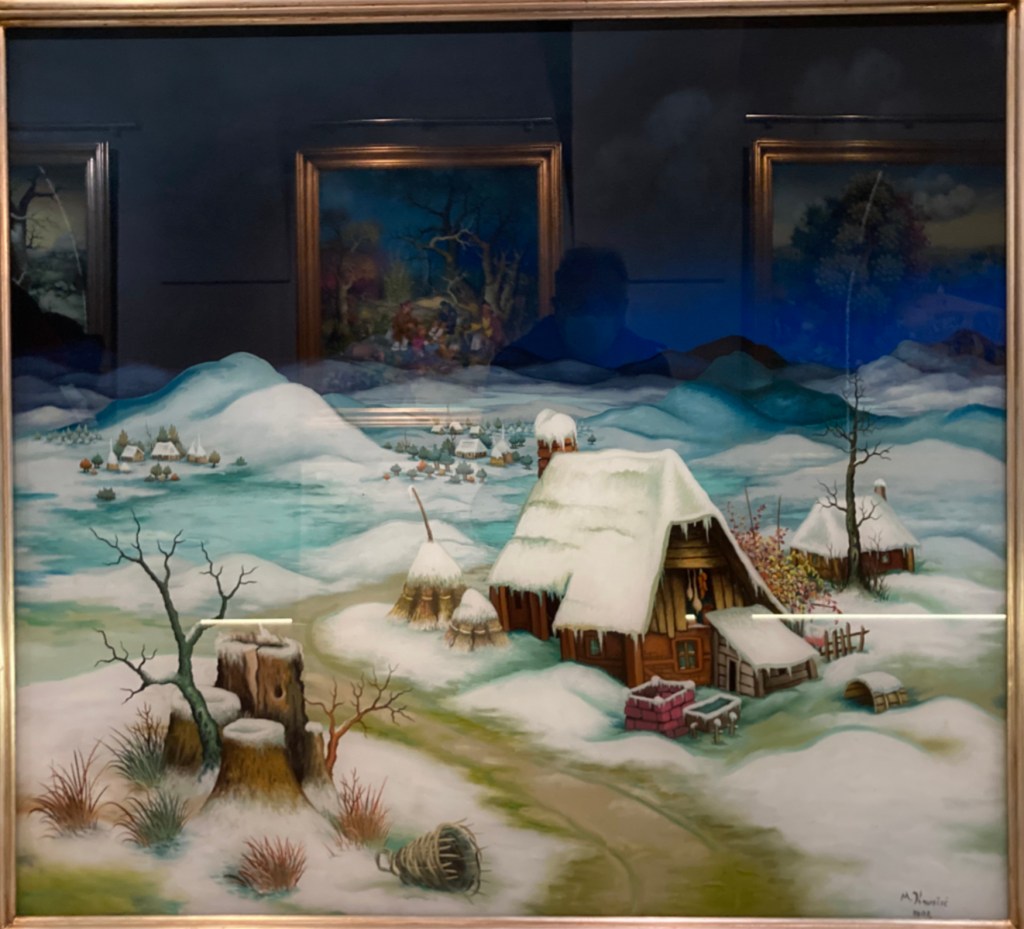
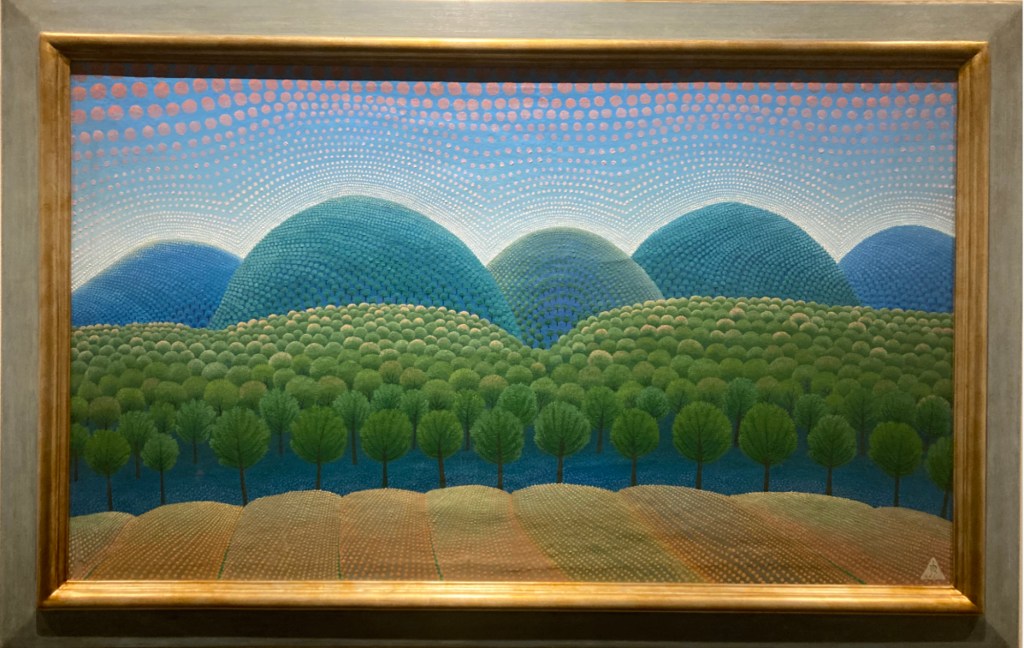
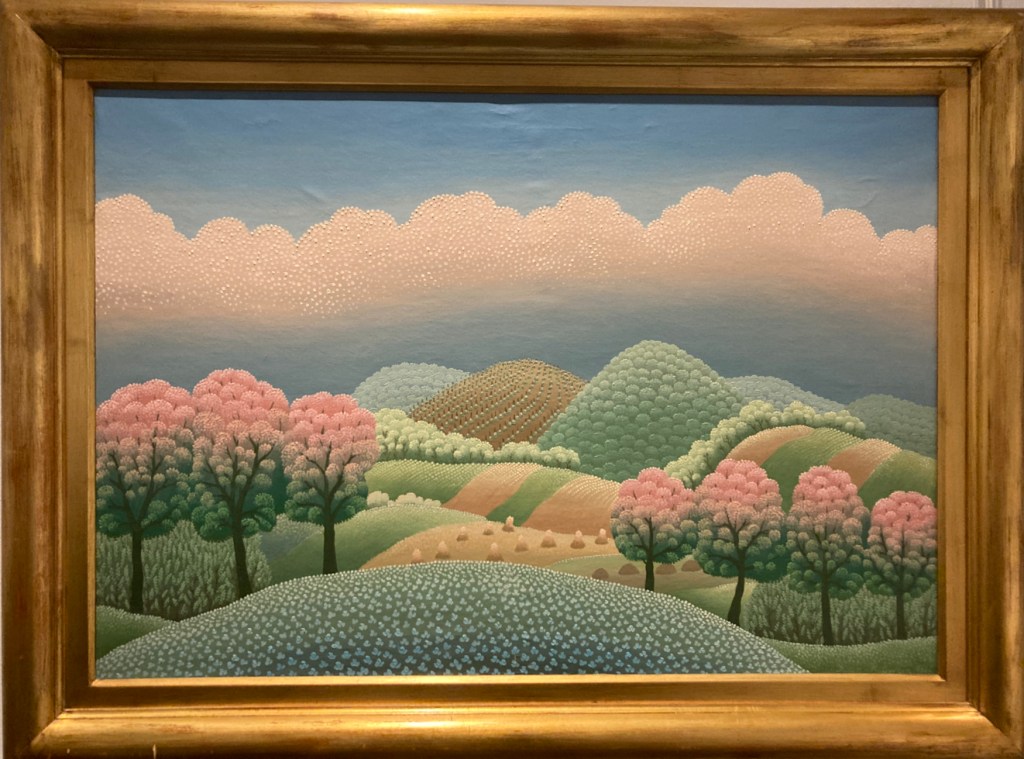
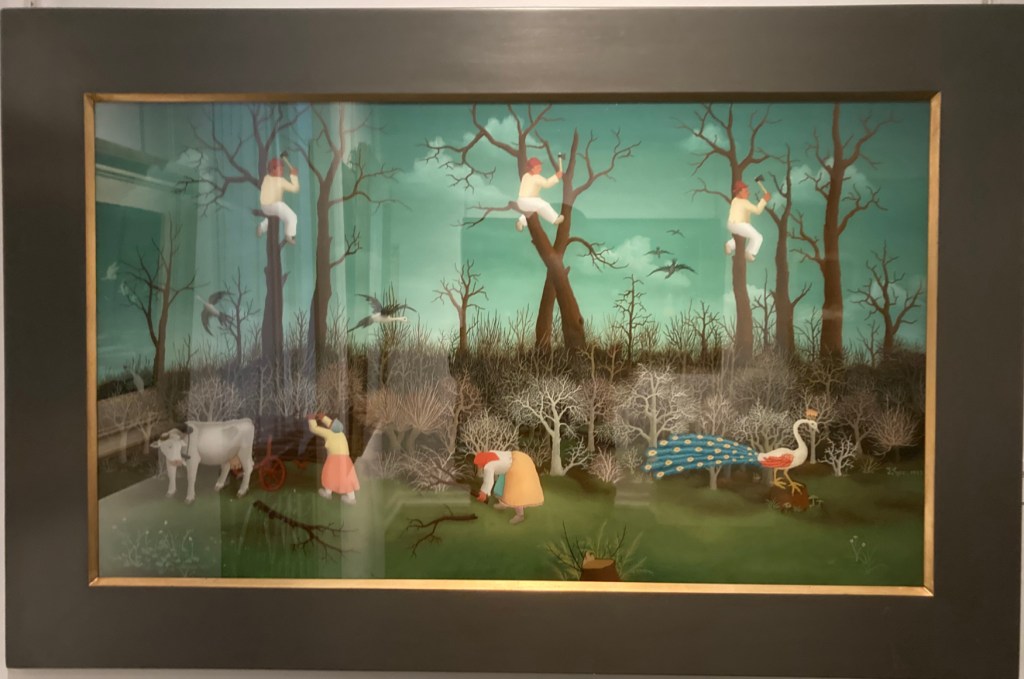
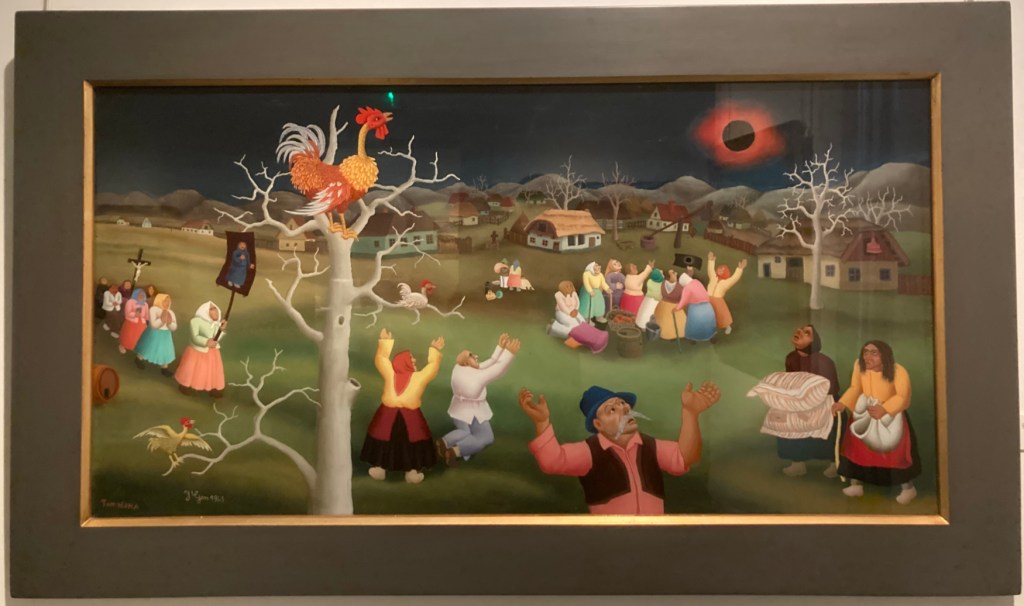
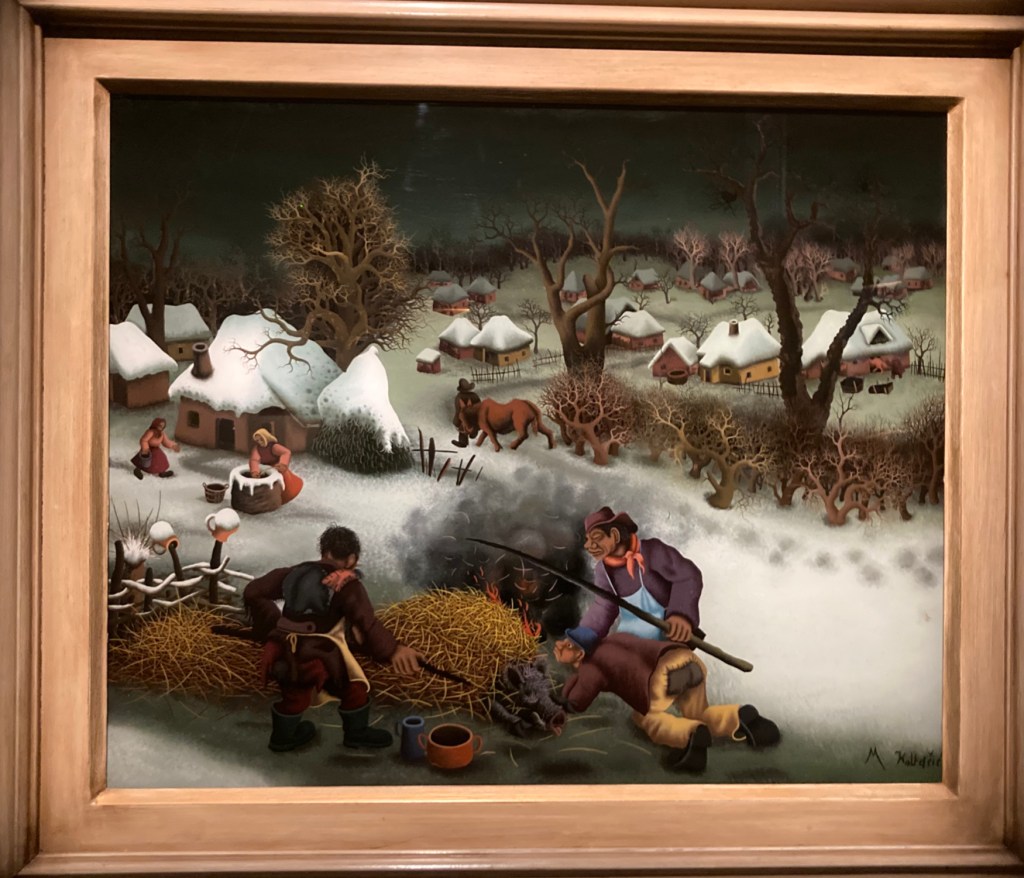
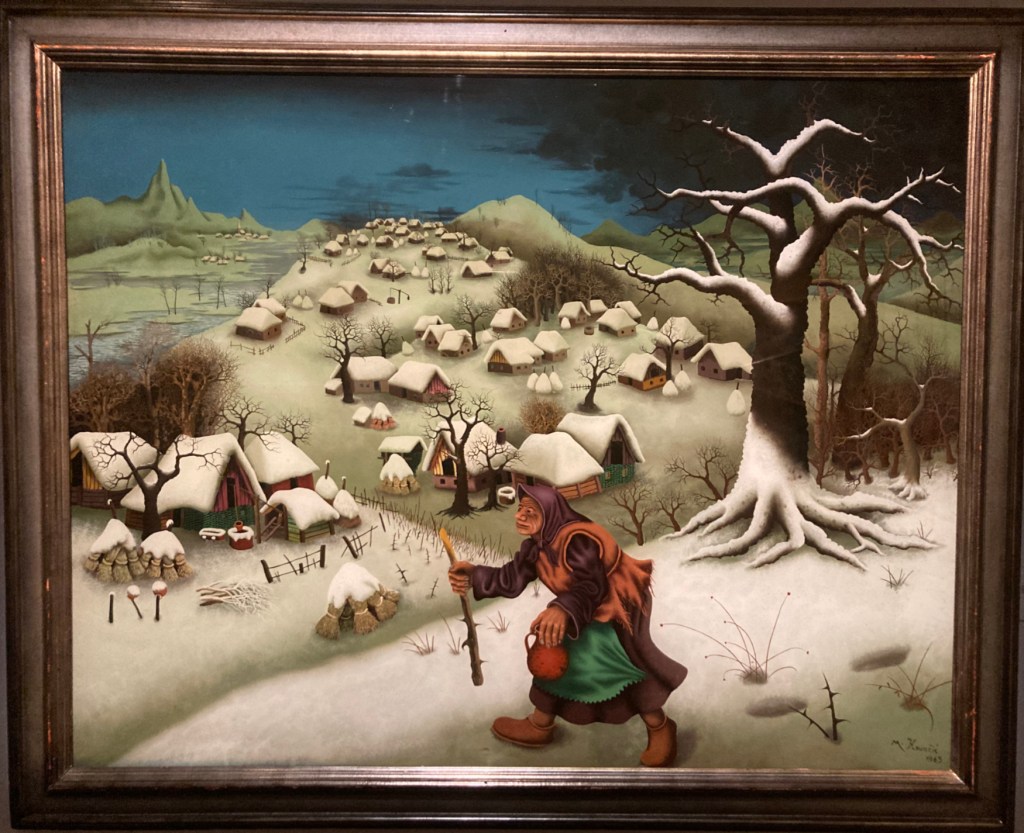
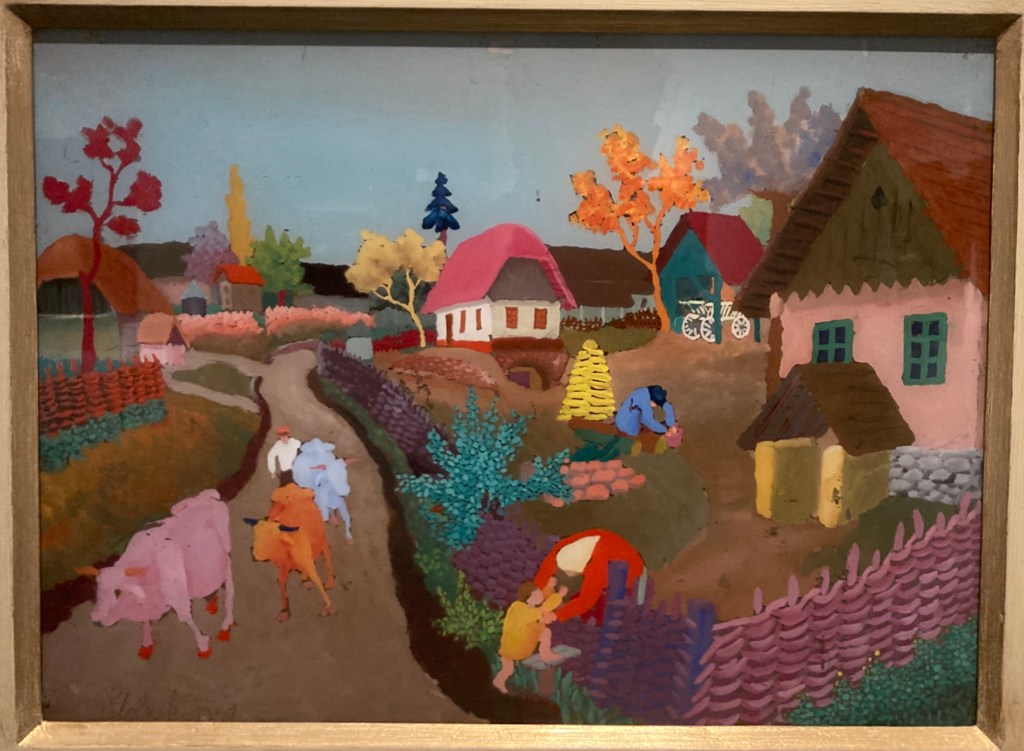
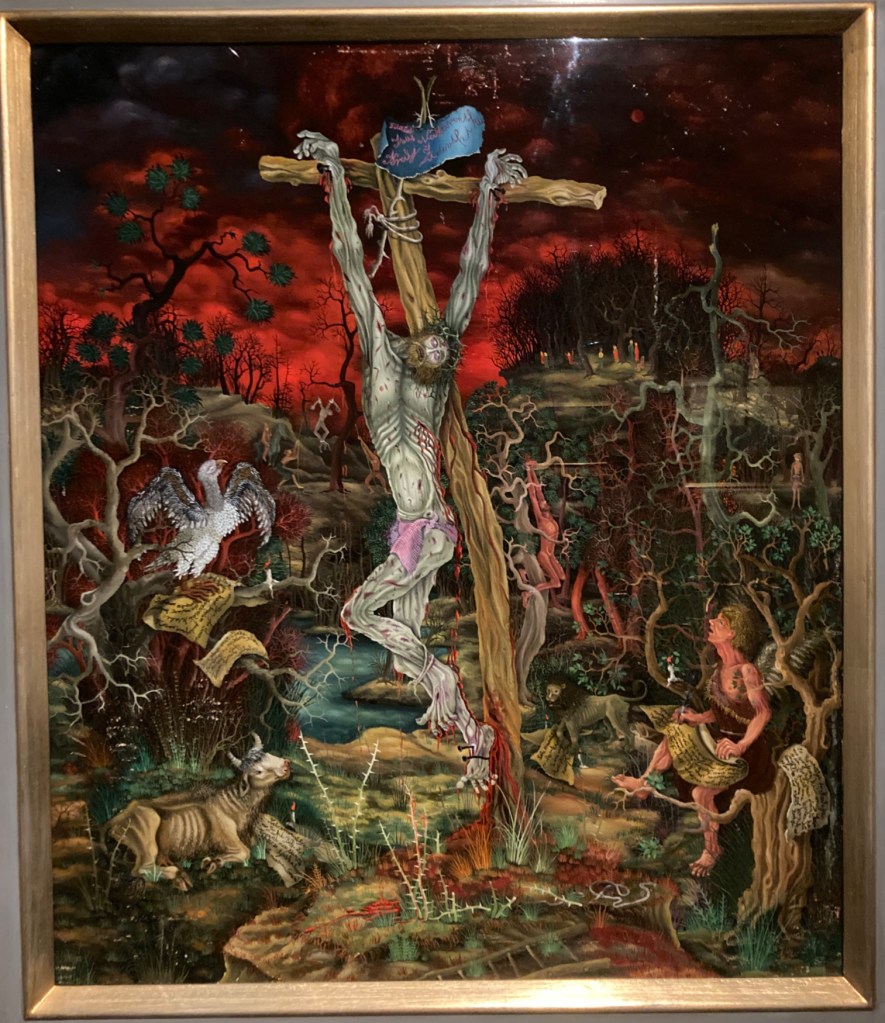
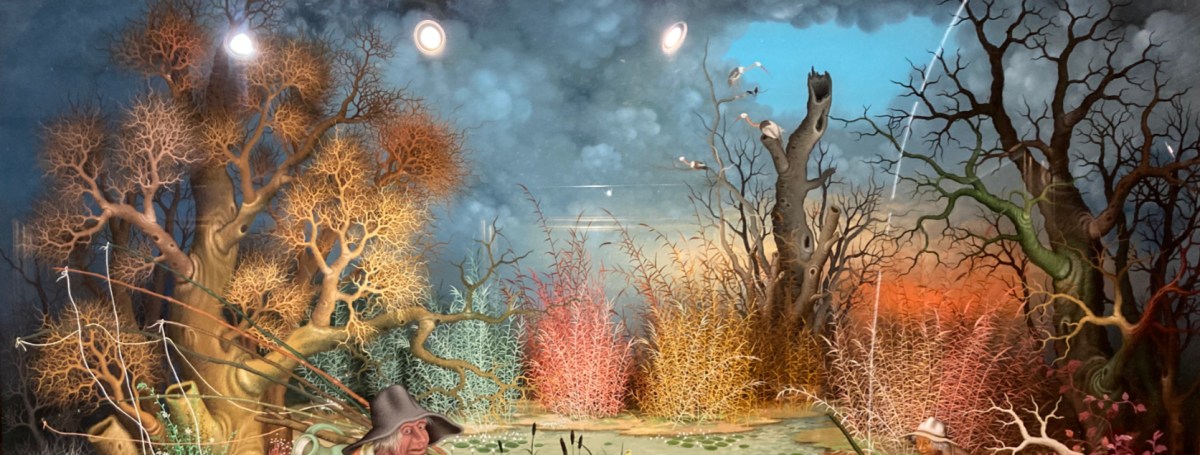
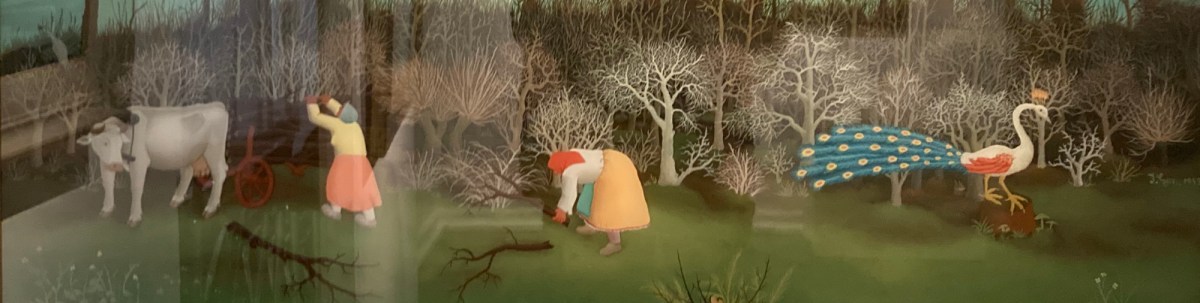
As I said, I can’t get enough of this Croatian Naive Art. Mijo Kovacic is one of the best and his foundation has a gallery in Zagreb of some of his classic work.. Keep in mind, these are reverse glass paintings (an amazing technique) so there’s a lot of reflection when you take an image. Note the arched light in the first shot of the gallery. I just couldn’t avoid it. As for the paintings, I love the intense color gradients in his skies. I love the trippy trees and bushes- like hallucinations. And I feel cold when I look at the winter scene in the last painting.
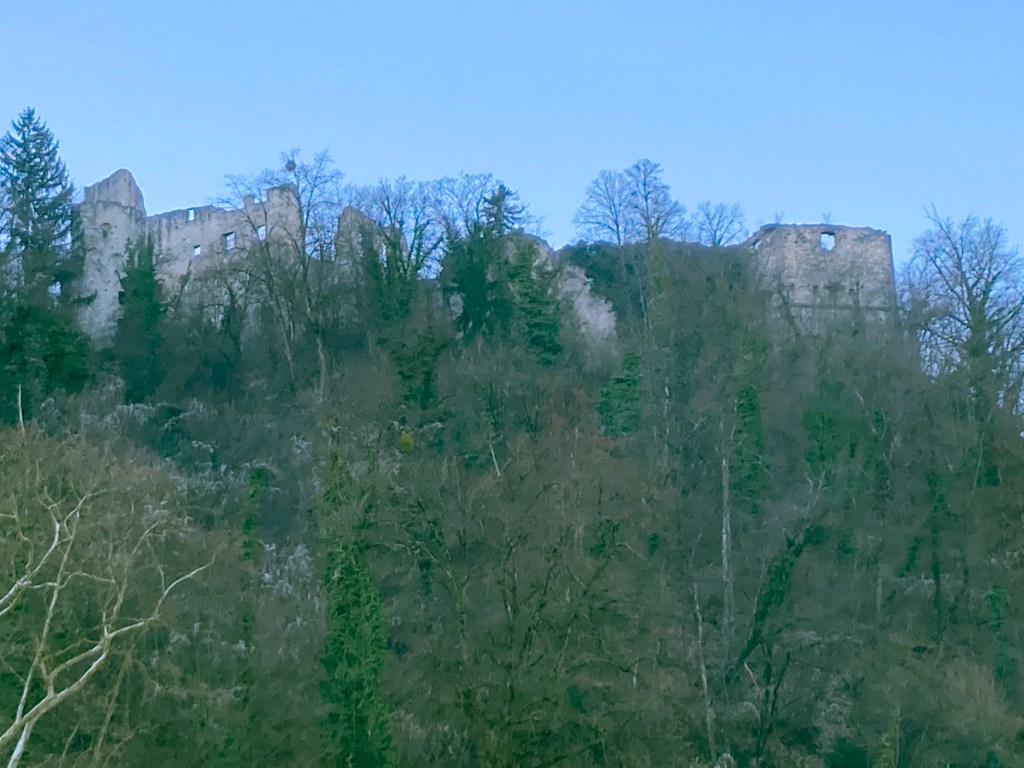
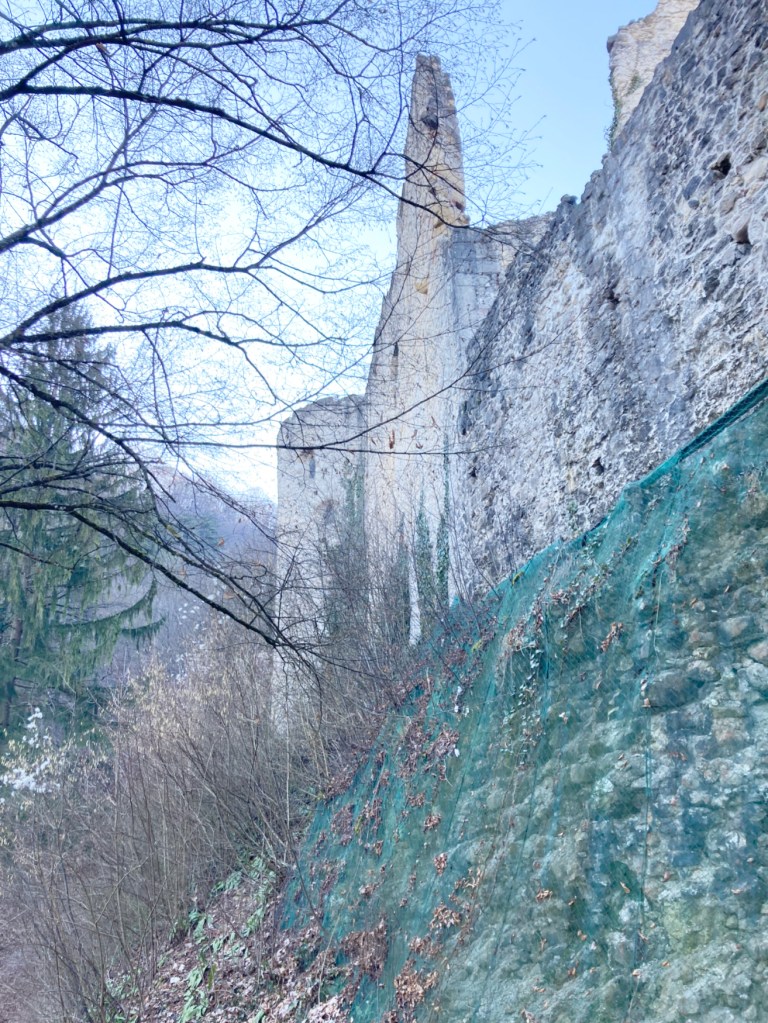
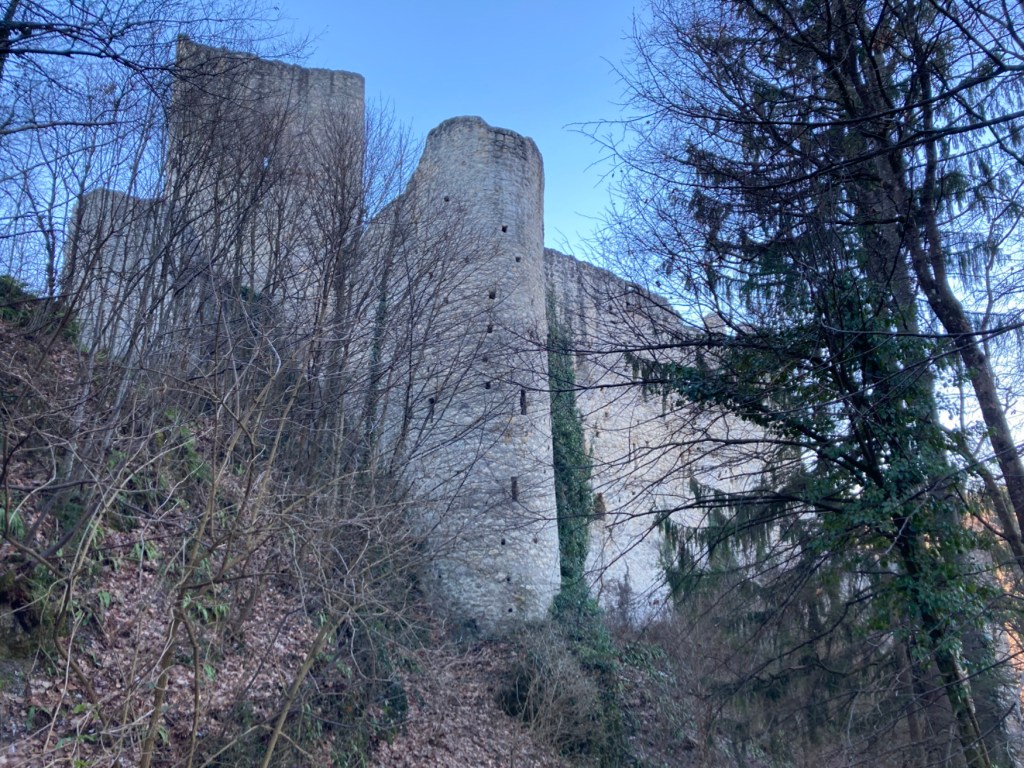
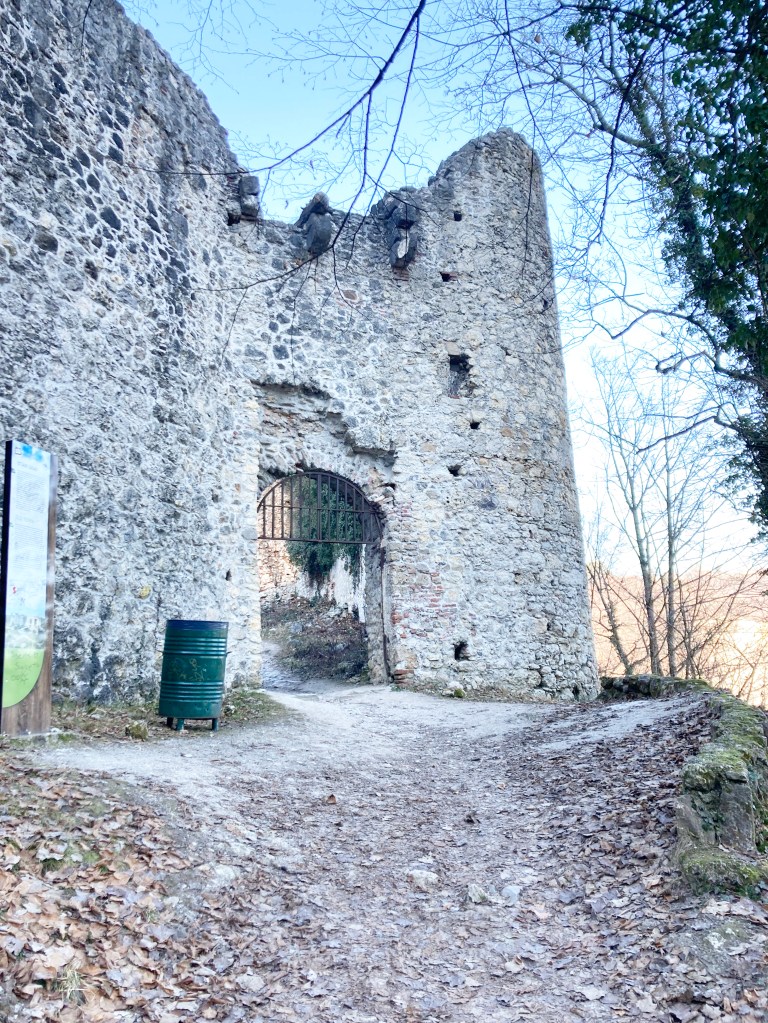
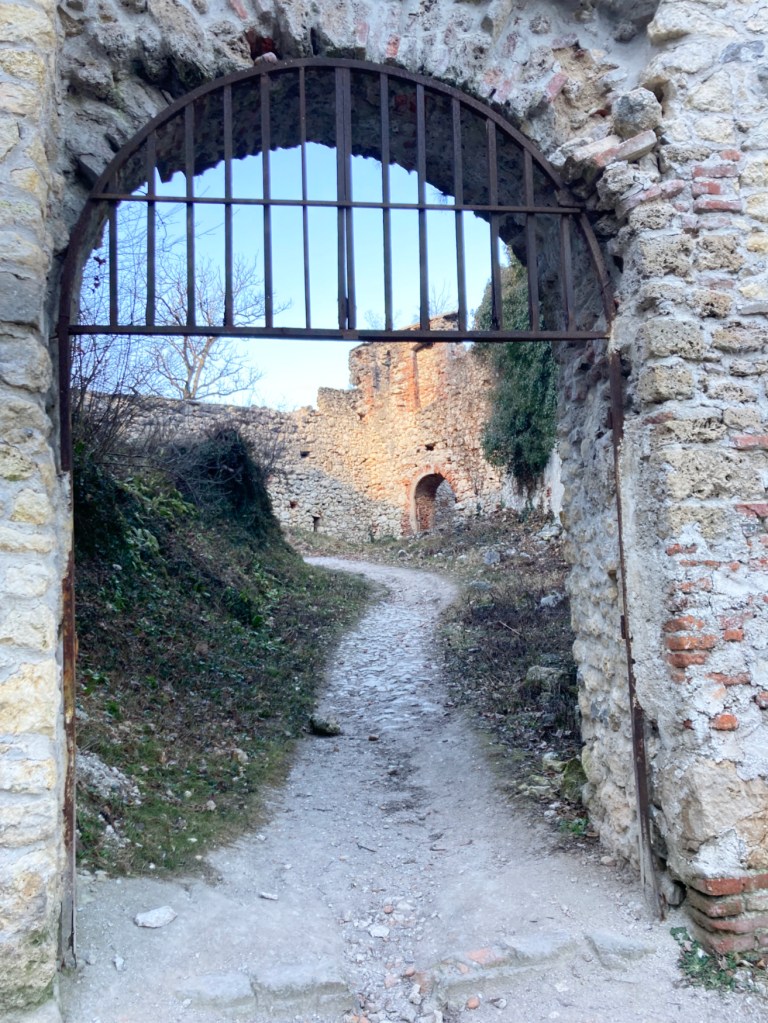
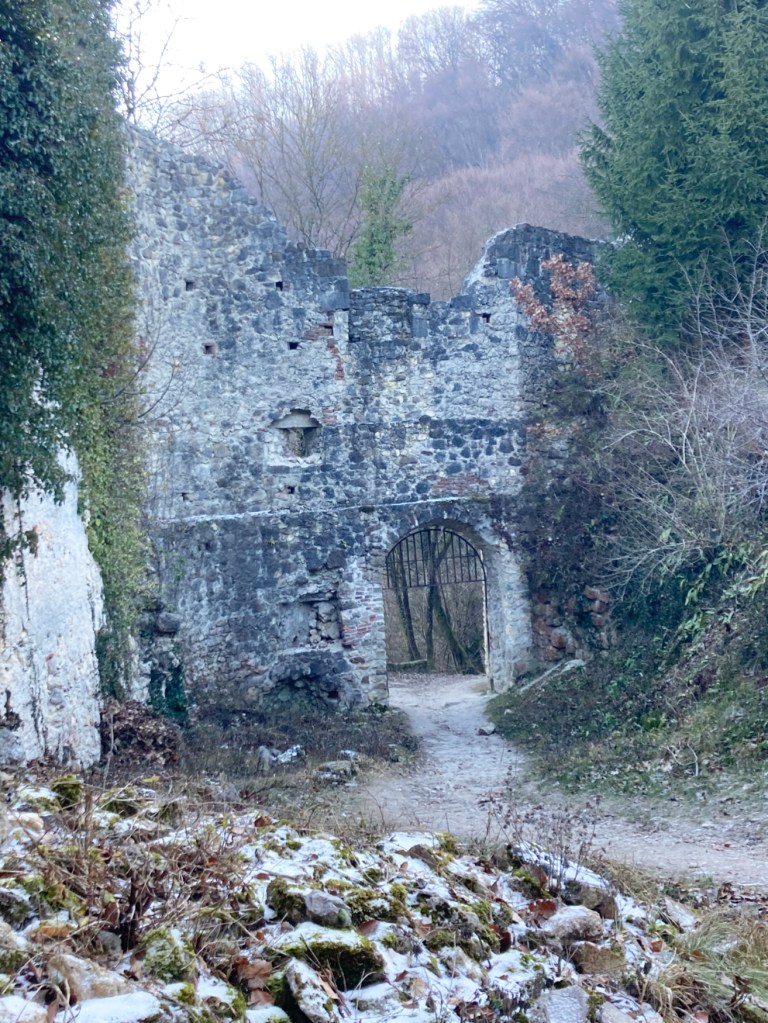
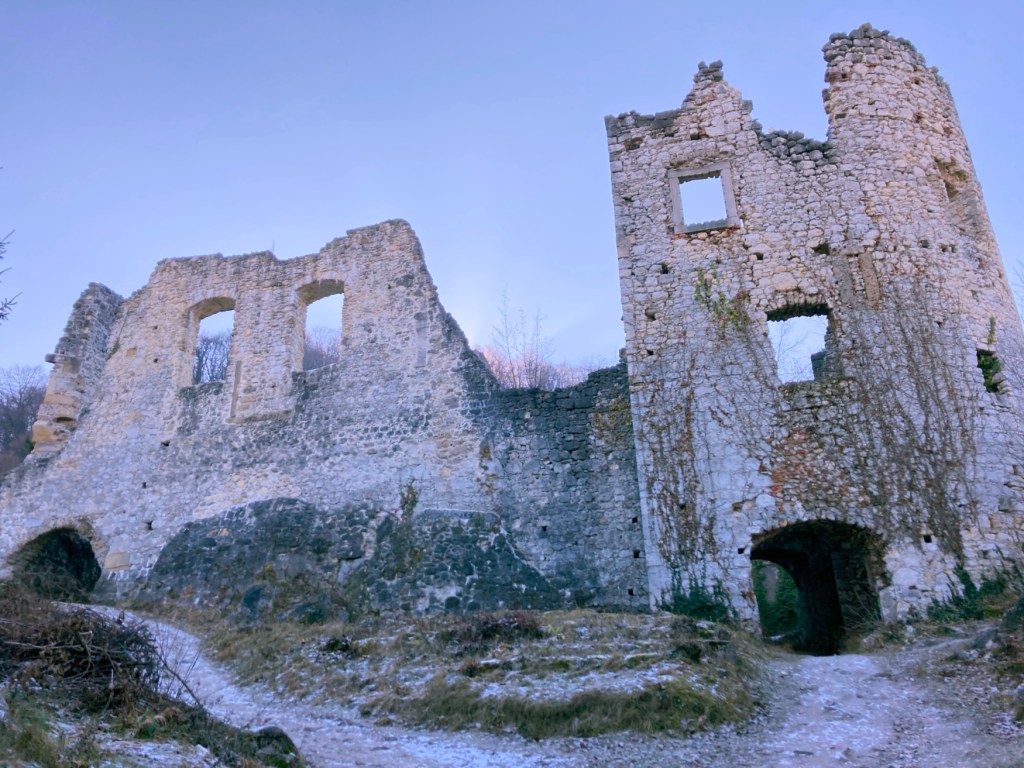
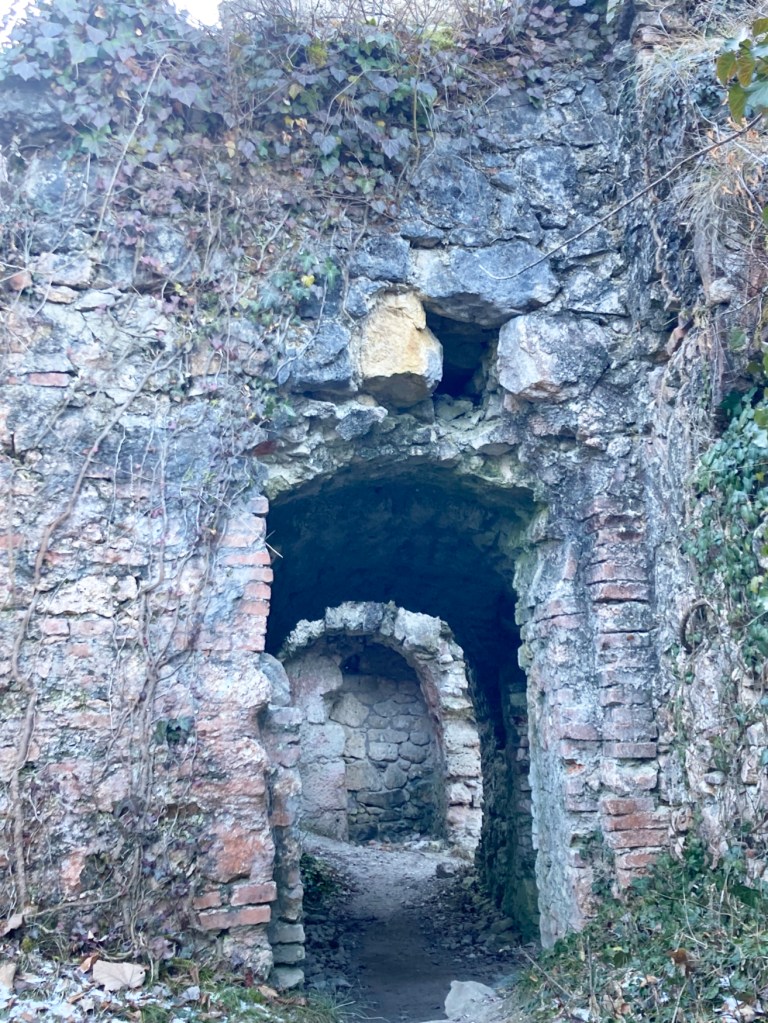
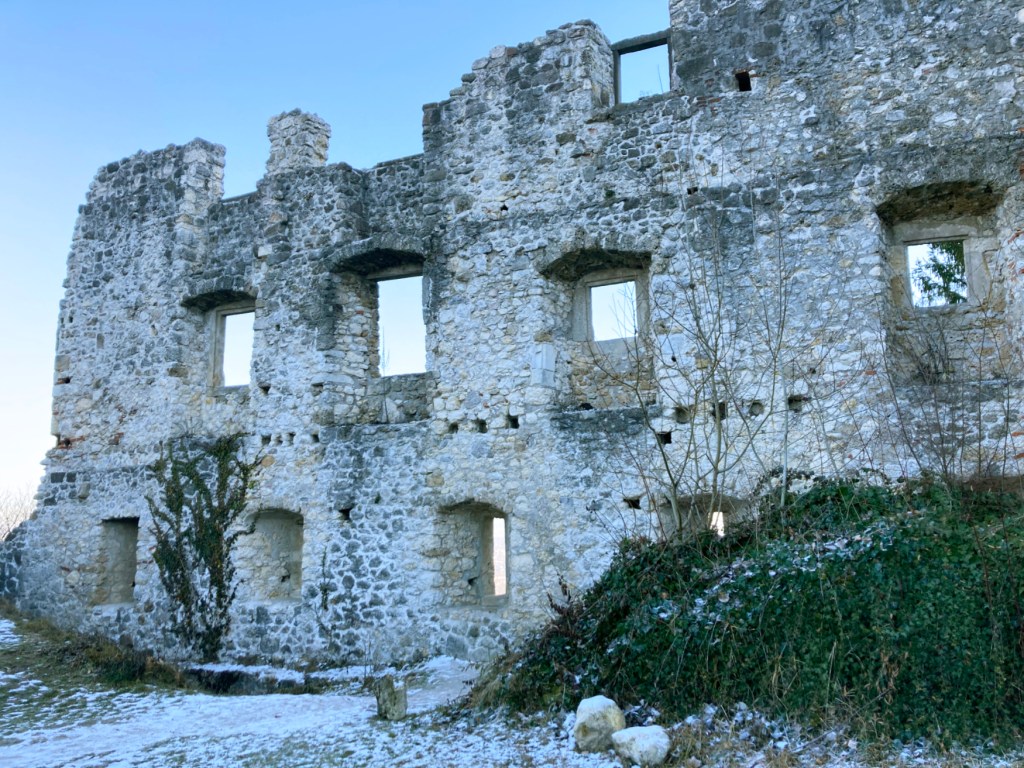
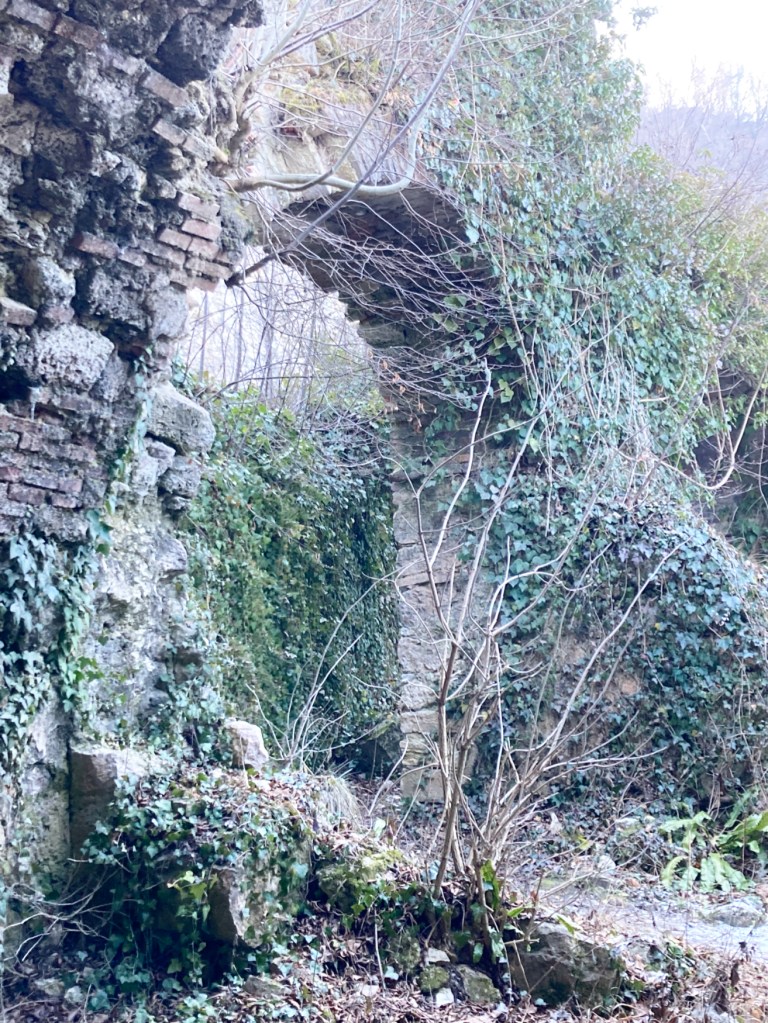
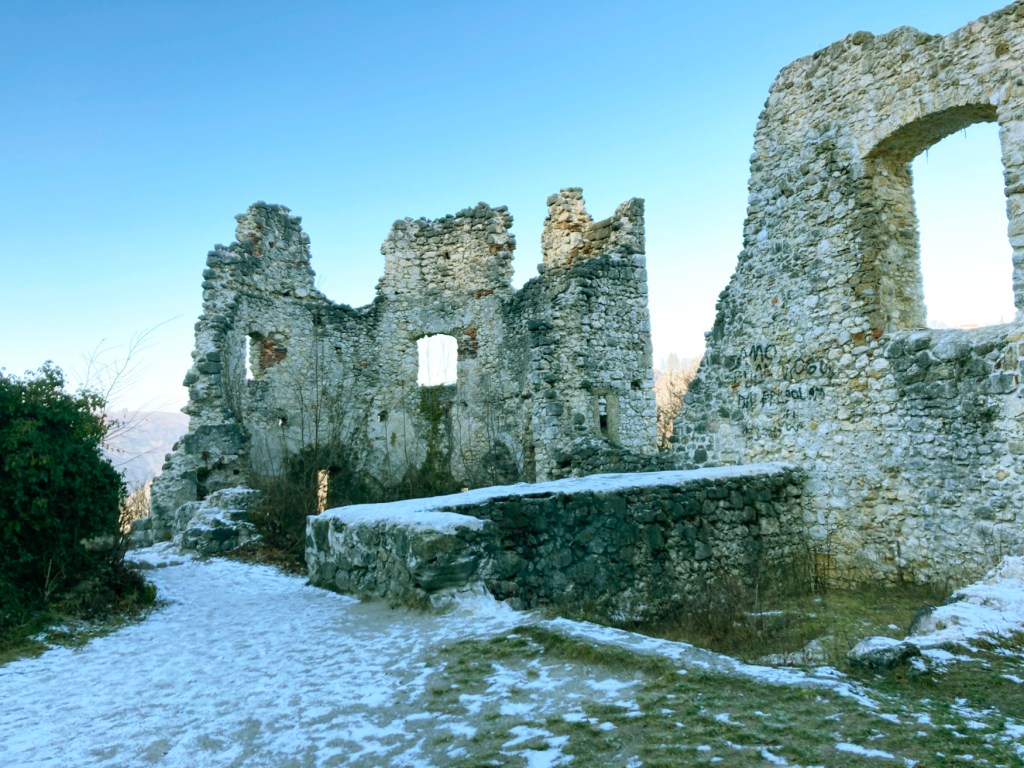
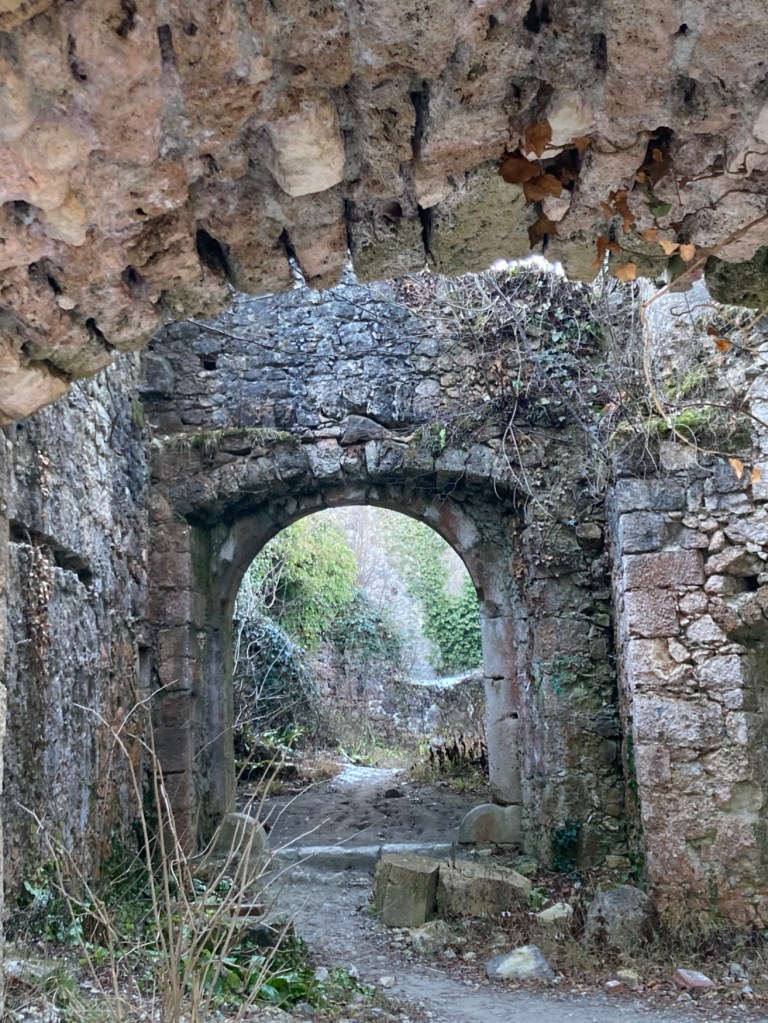
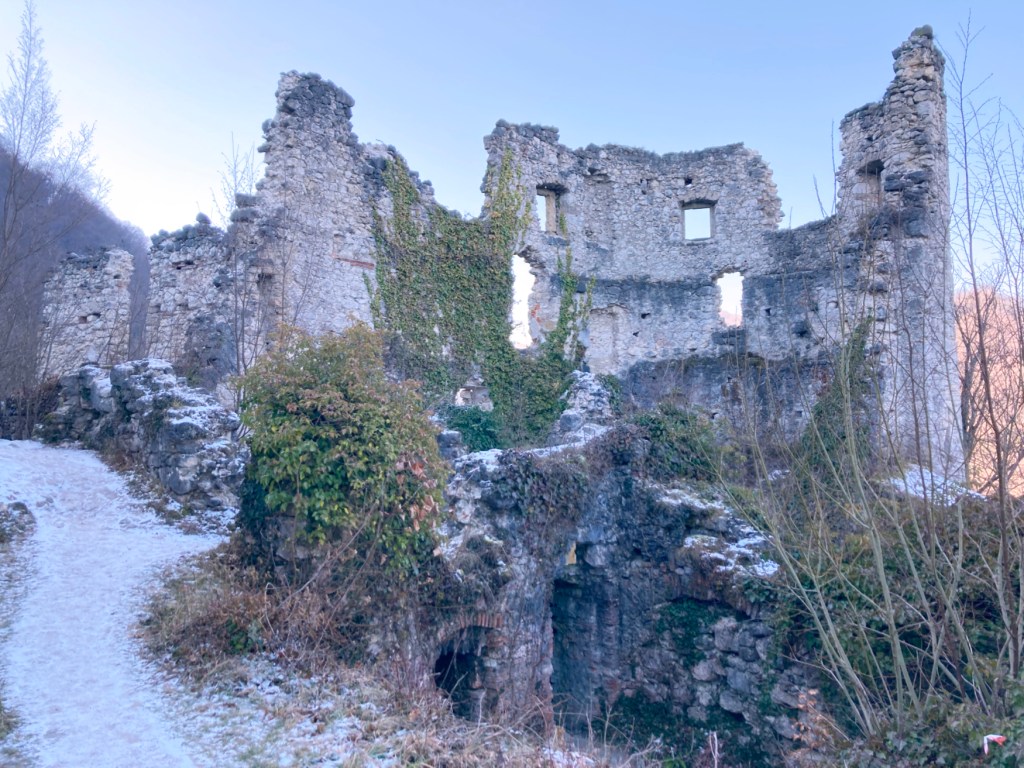
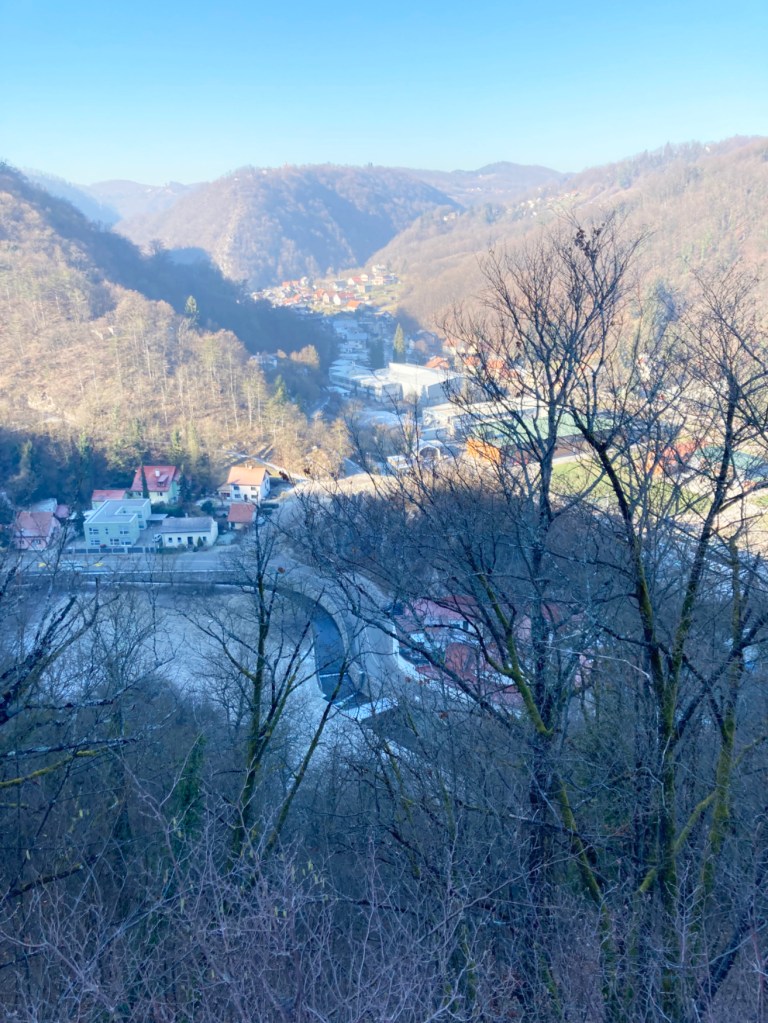
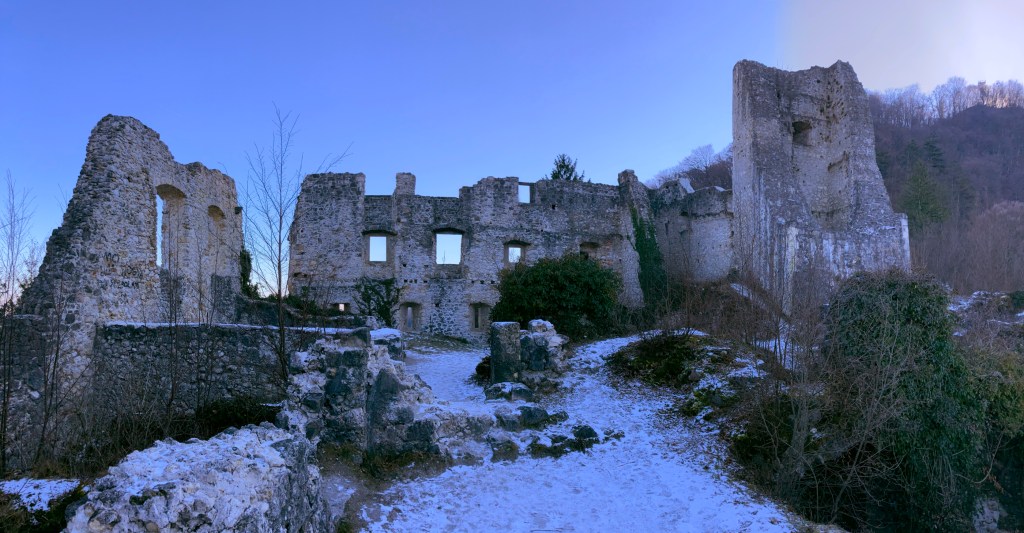
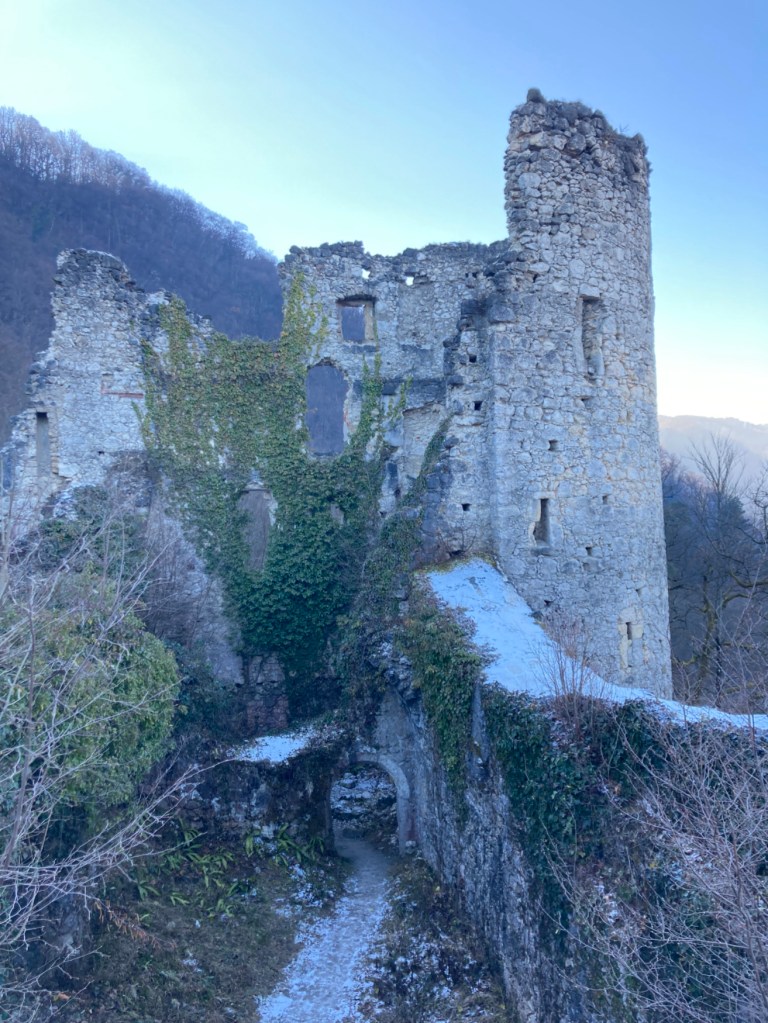
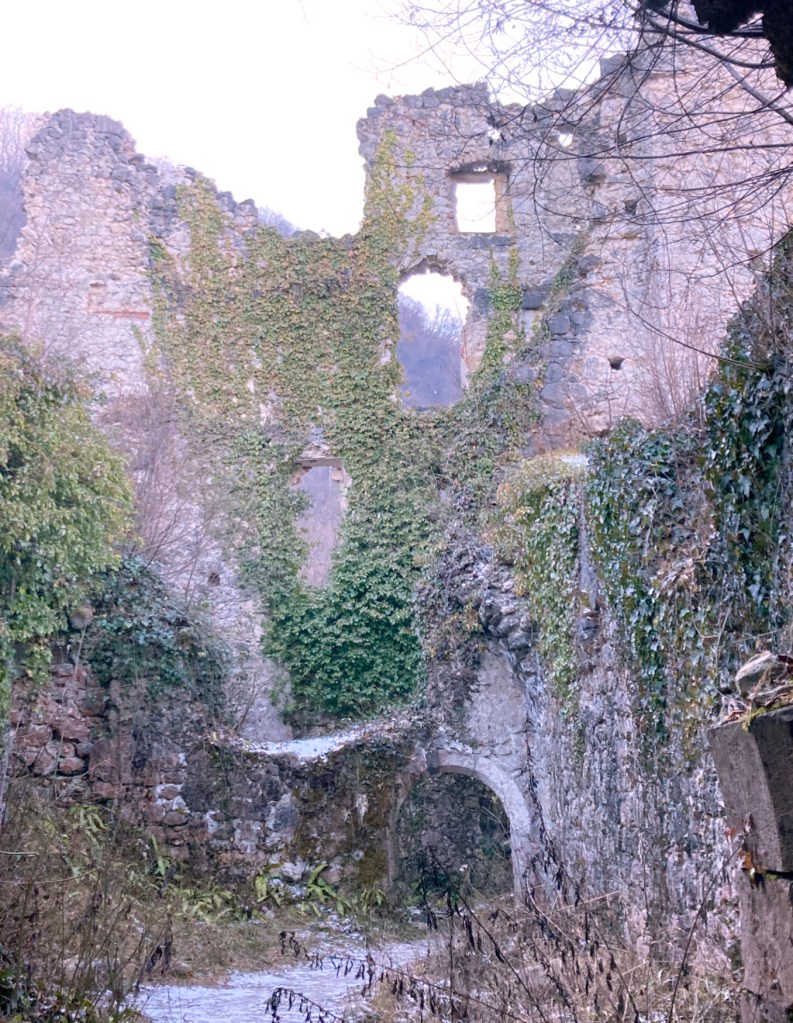
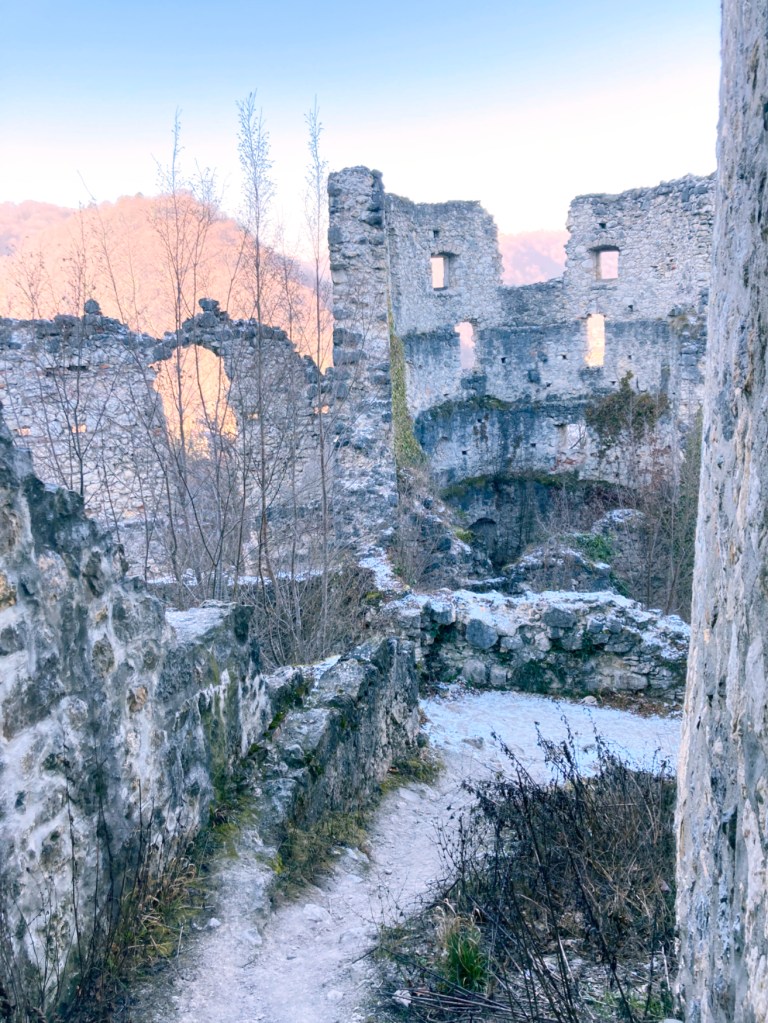
Samobor Castle is in the small town of Samobor, Croatia. It’s about a 45-minute bus ride from Zagreb. The initial castle was built between 1260 and 1264. In the 21st century, digital wizards show us what the castle looked like before time took its toll: https://www.croatiaweek.com/digital-wizardry-restores-samobor-castle-in-croatia-to-its-former-glory/
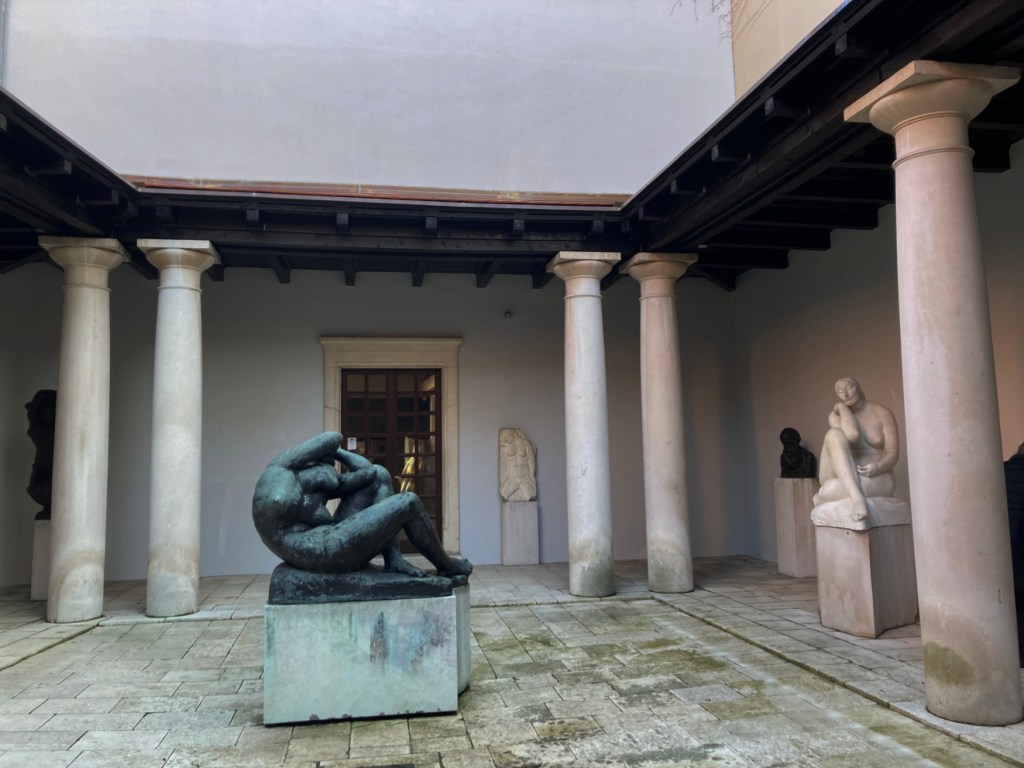
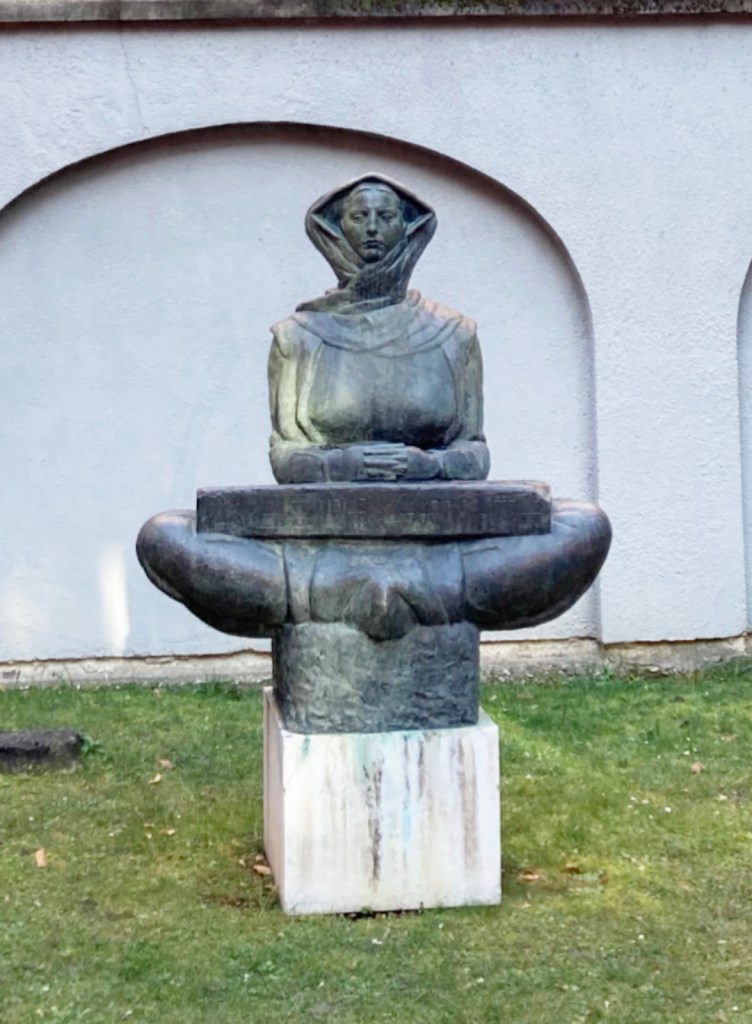
In terms of art, I’ve never been much of a sculpture person. The Croatian sculptor Ivan Mestrovic, however, has gotten me thinking. He became pretty well known and successful prior to WWI. After WWI, Mestrovic, had houses and workshops in both Zagreb and Split. His Zagreb workshop is now a small museum displaying some of his works. After WWII, he was invited to be an art professor at Syracuse University, then Notre Dame. He died in South Bend in 1962. See what you think.
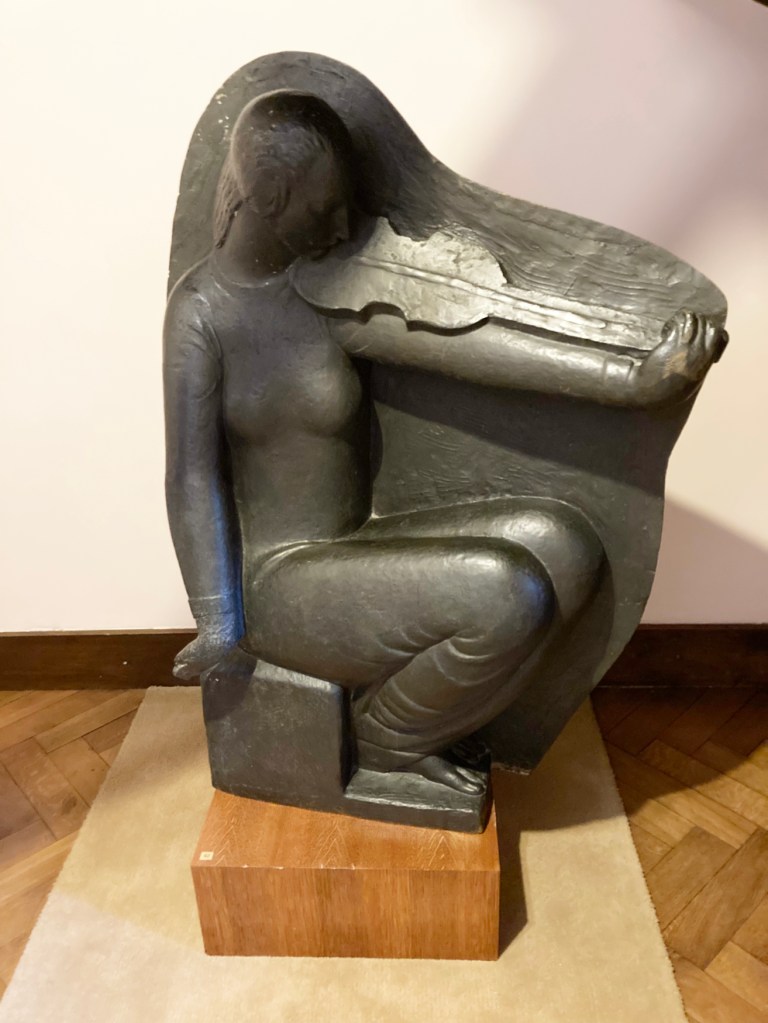

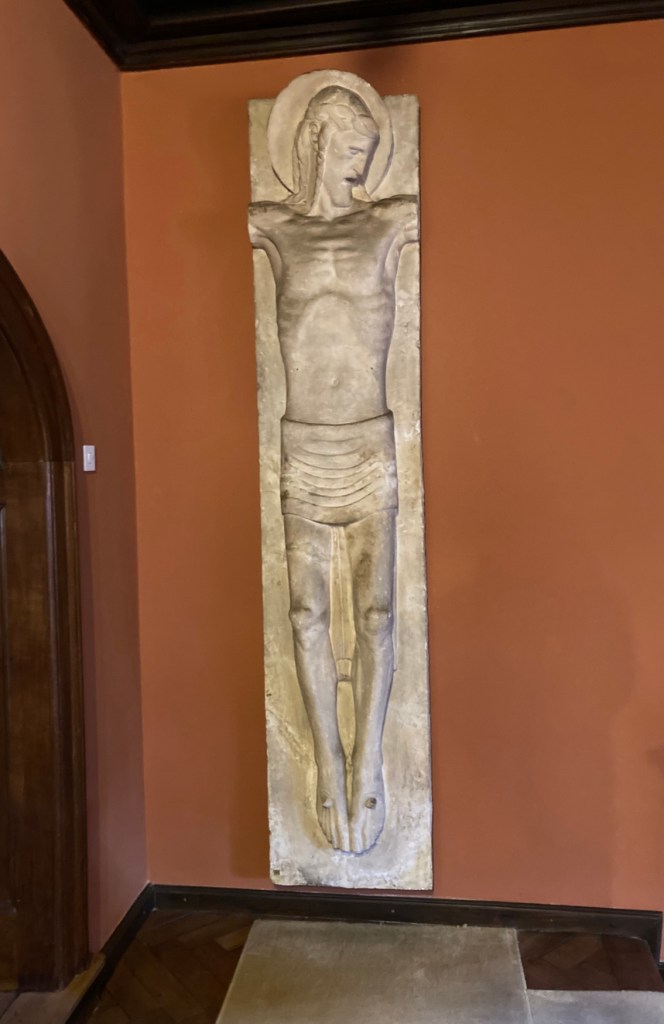
Personally, I was pretty ignorant about Zagreb. Zagreb began has two adjacent small towns, one civil (Gradec), the other Catholic (Kaptol). Sometimes they got along, sometimes they didn’t. Eventually, as both grew, they merged into one. Now, after a long and complicated history involving Romans, Mongols, the Venetian empire, the Ottoman Empire, the Austro-Hungarian empire, world wars, Tito, and the dissolution of Yugoslavia (the Homeland War), Zagreb is the capital of Croatia. We think it’s a great city- many museums (some pretty quirky), 17th-18th century Hapsburg architecture (Rick Steve’s calls it “Zagreb Baroque”), and really good restaurants. Although much of the cuisine has what I would consider “comfort food” elements, i.e. gravy and starch, it is skewed heavily toward meat. One more thing…
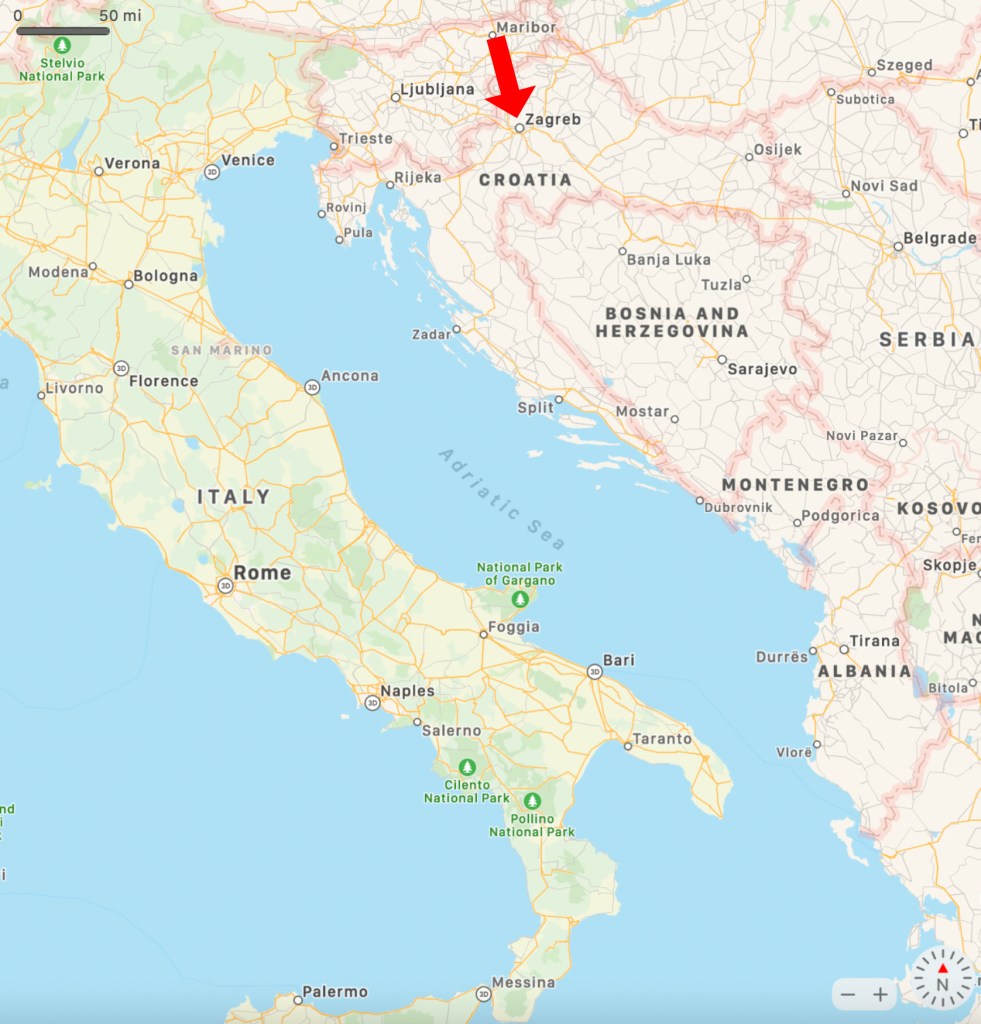
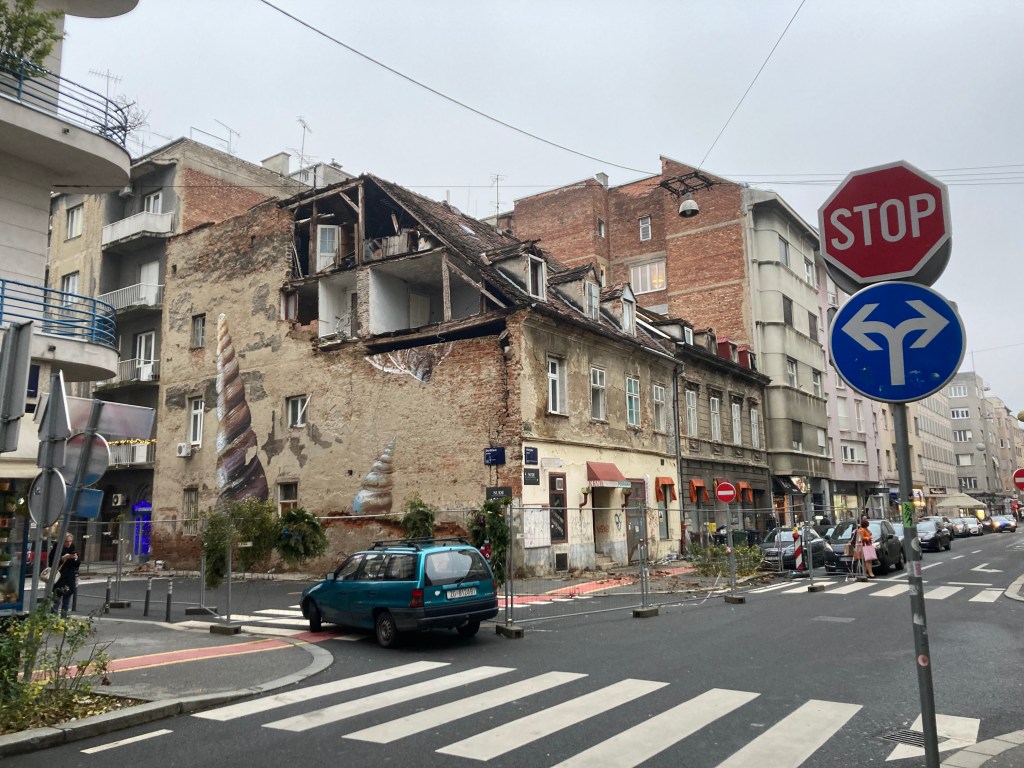
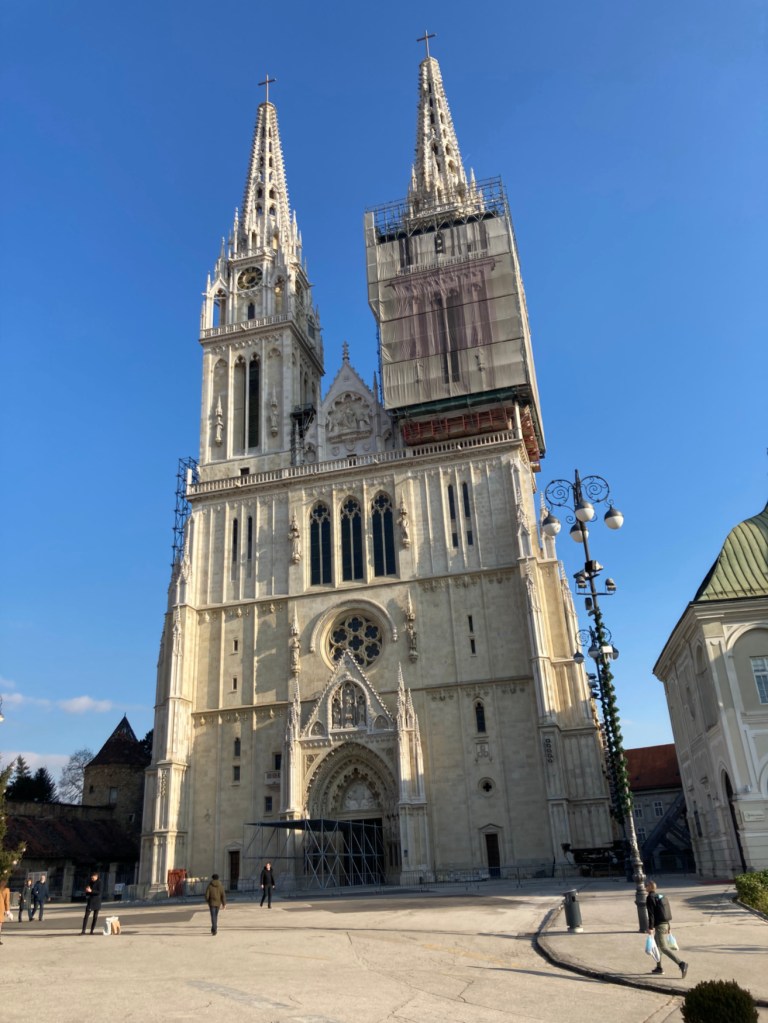
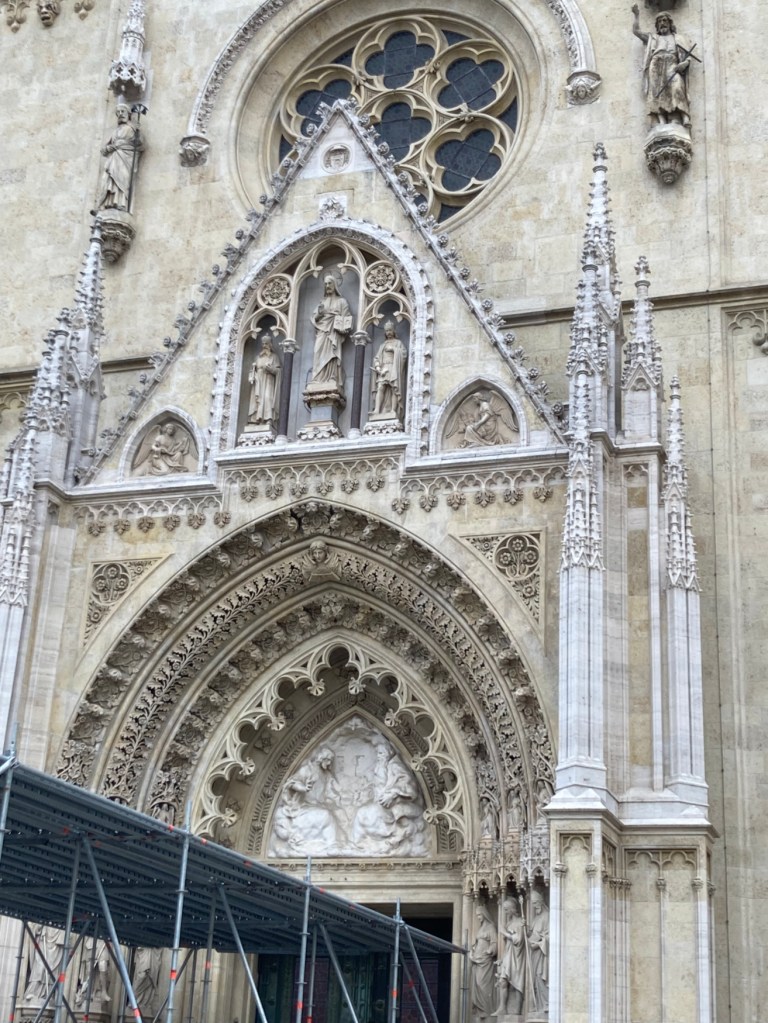
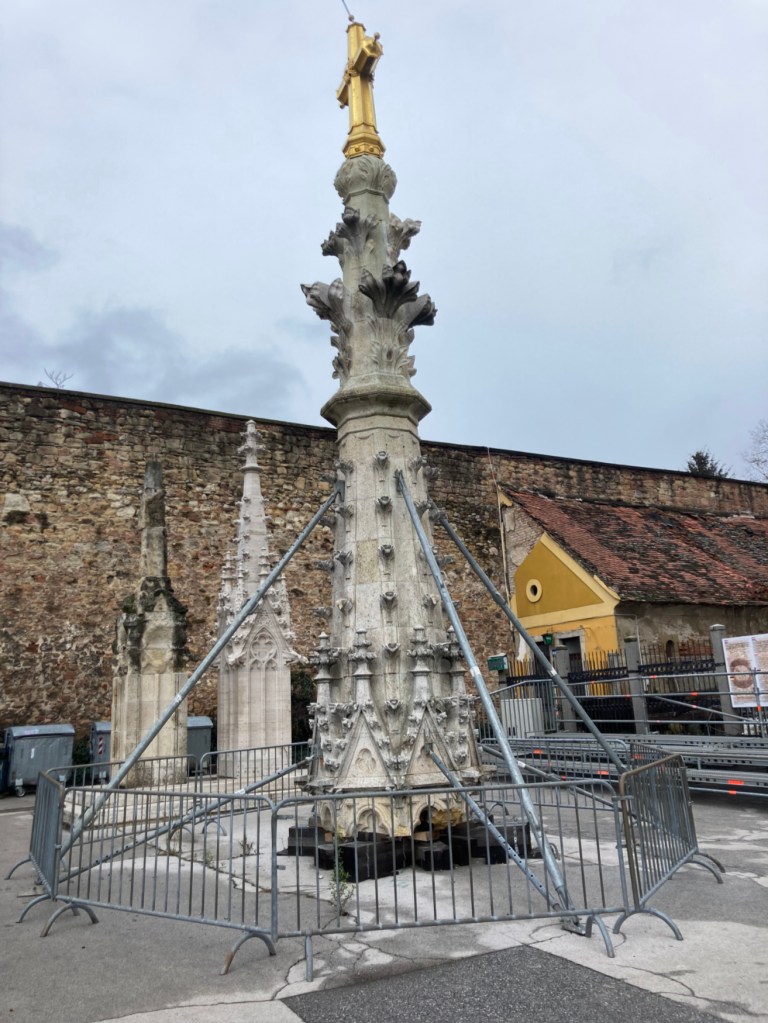
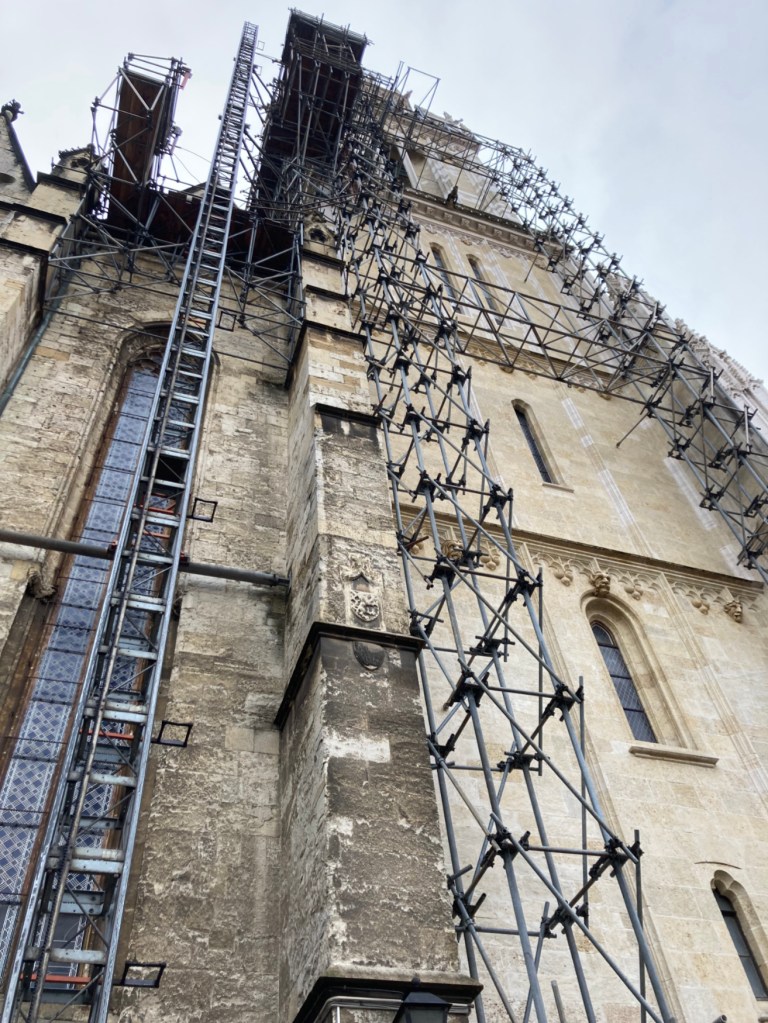
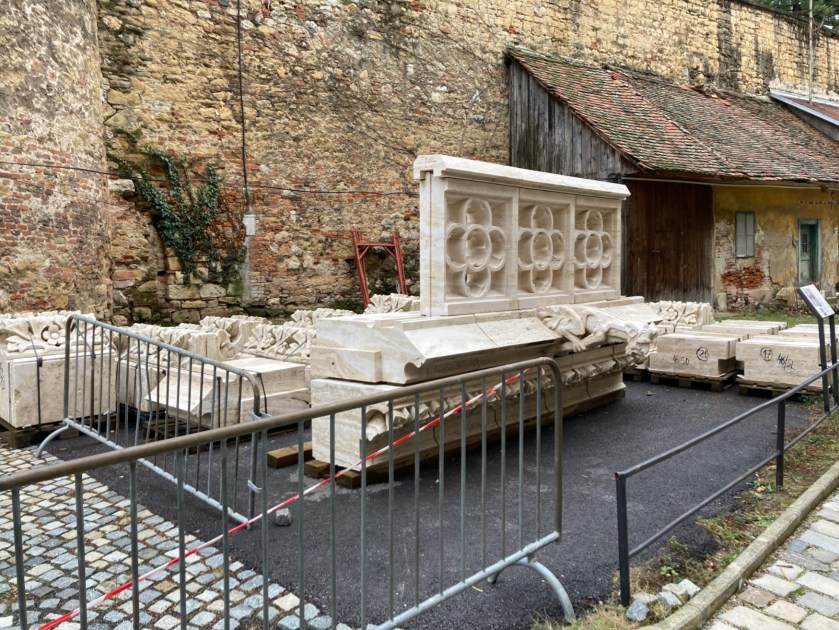
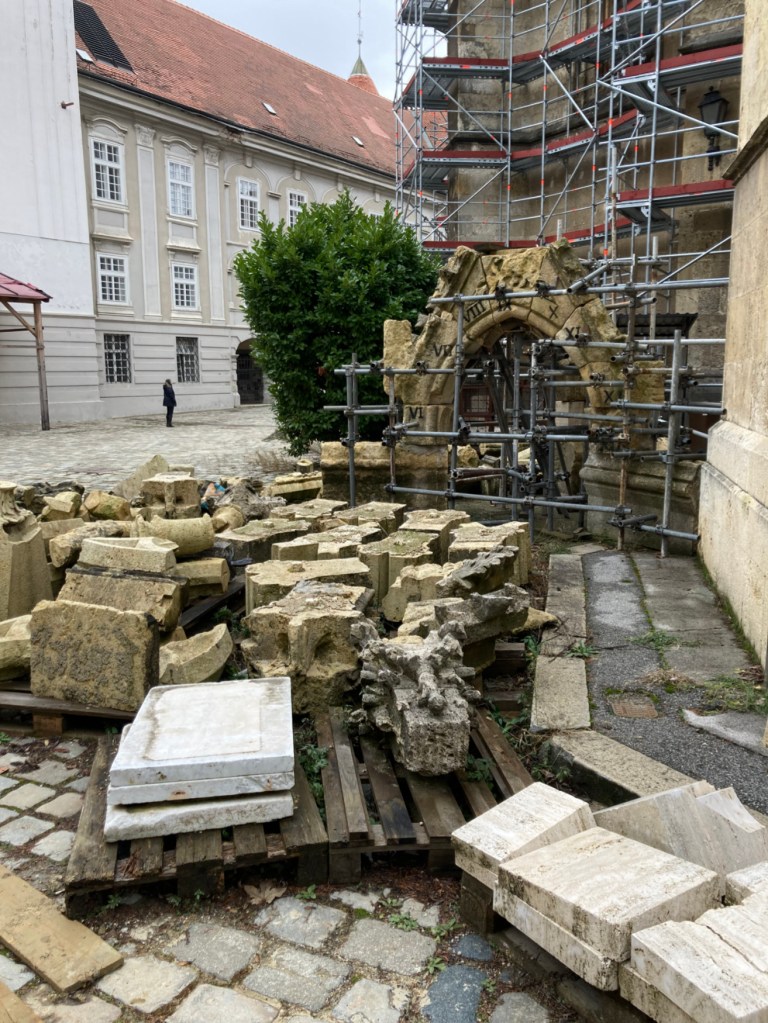
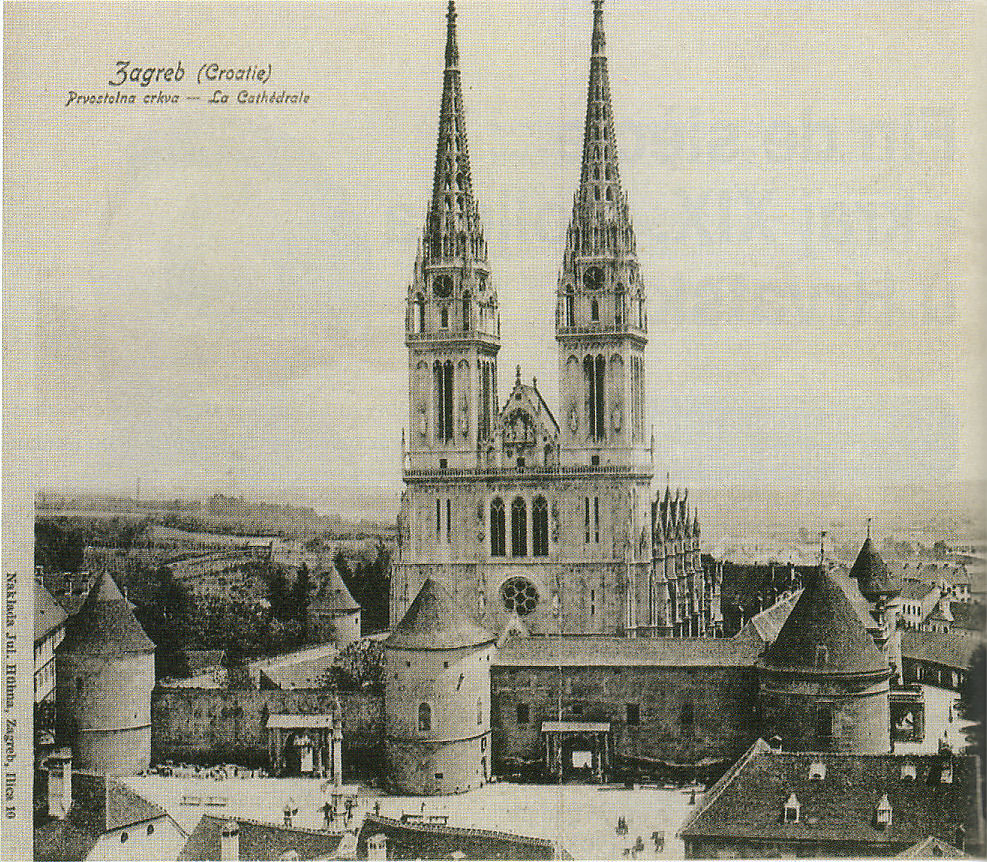
Earthquakes. According to Google, Zagreb is on the Adriatic plate, a small plate between the African and Eurasian plates. As the Adriatic plate goes north on its tectonic journey, occasionally, there are earthquakes. The Zagreb area had two significant earthquakes in 2020, one on March 22 and one one Dec. 29. Although, thankfully, few people were killed, a lot of buildings suffered significant damage. The Zagreb area is still recovering. The Cathedral is still not open. None of the major churches are open. Several museums are still not open. Zagreb, however, has so many museums and galleries, we have plenty to do.
Zagreb is the biggest city we have visited. Lots of historical, tourist “stuff.” In this post I’ll show Zagreb’s most famous cathedral and church.
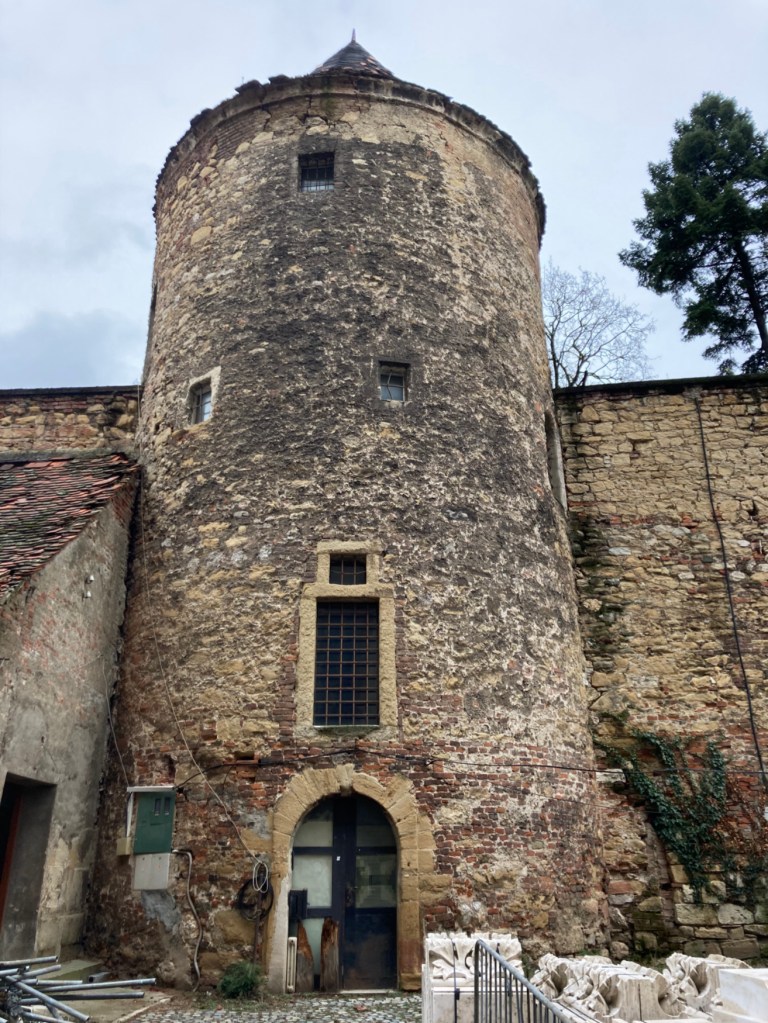
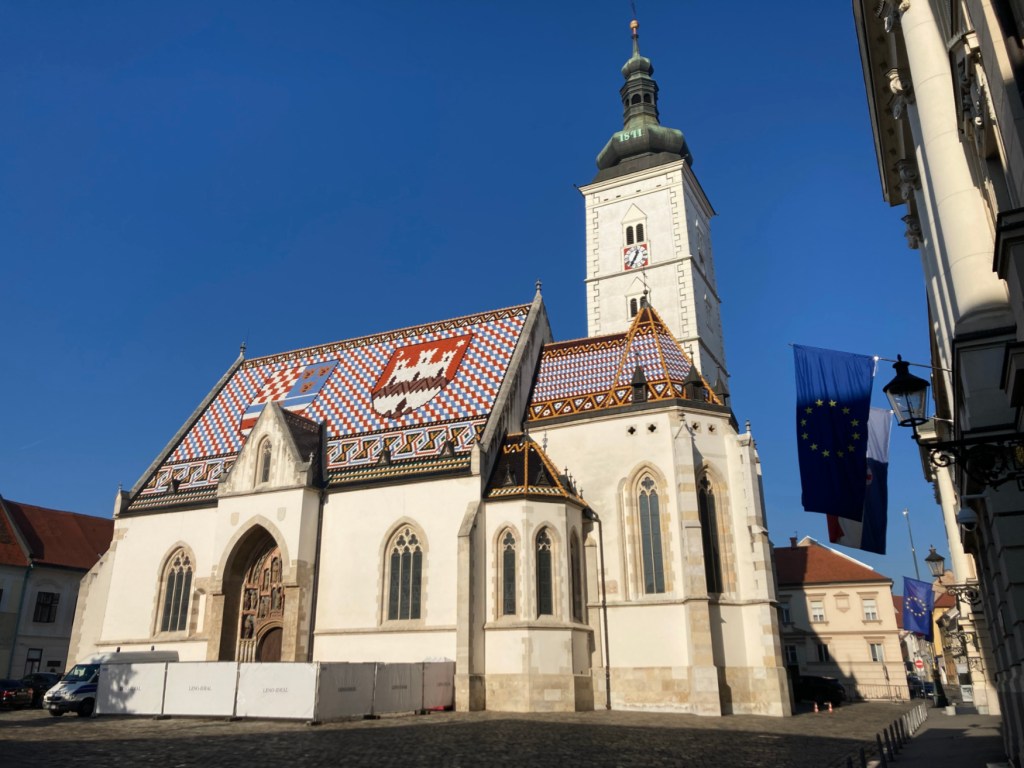
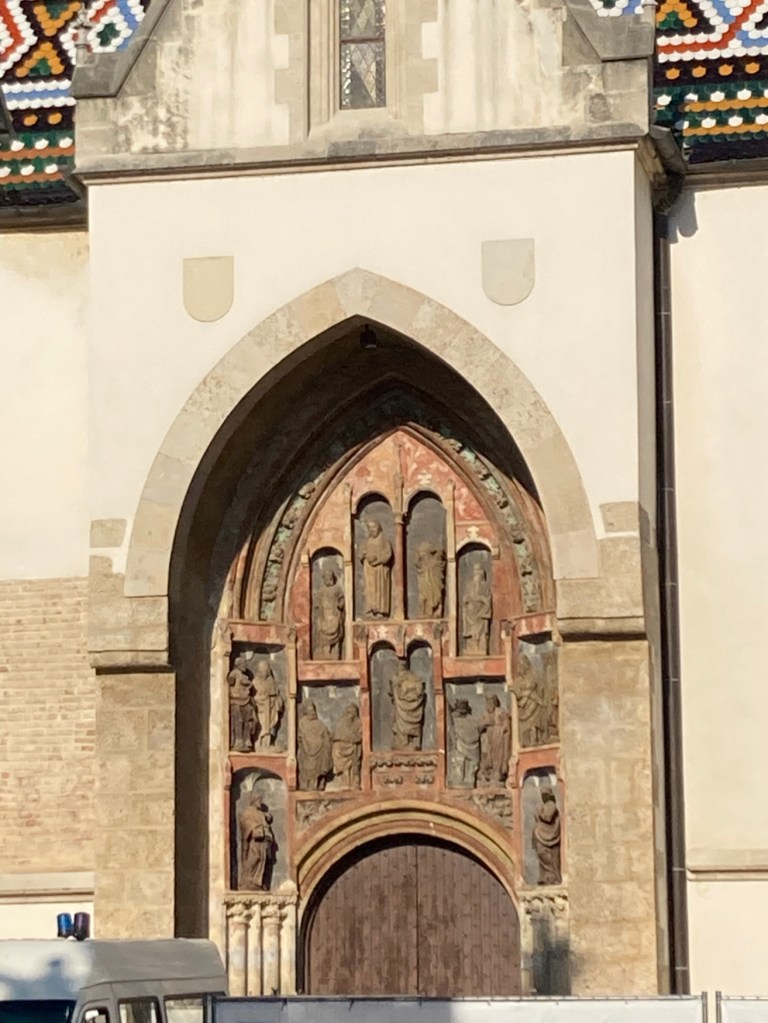
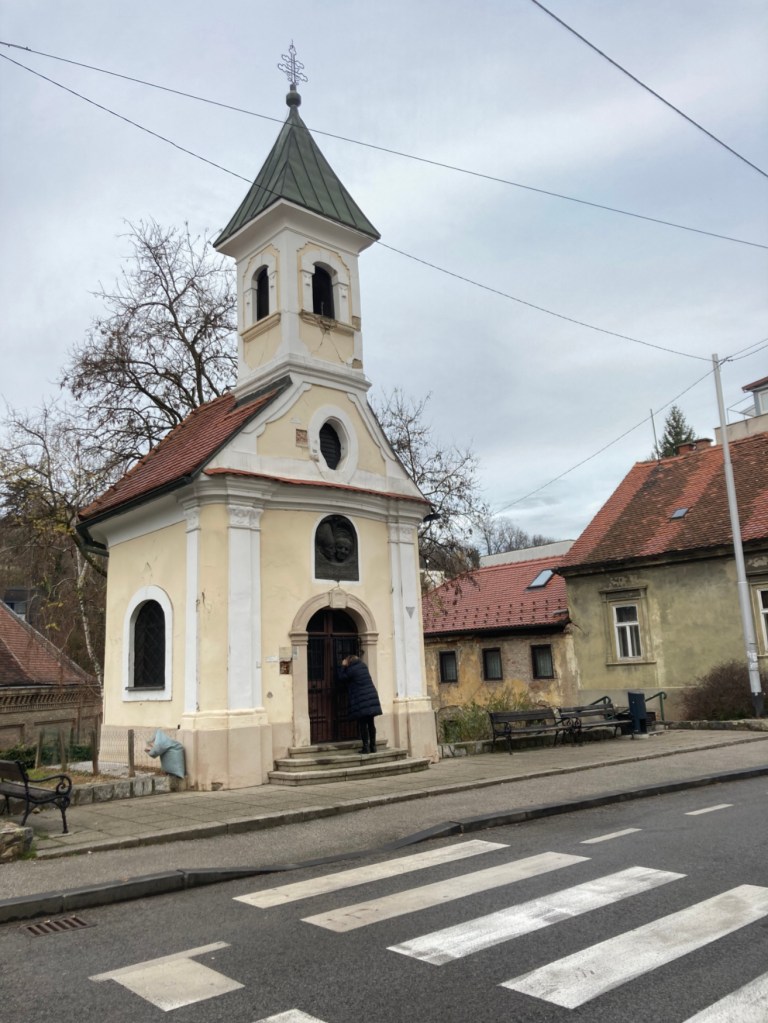
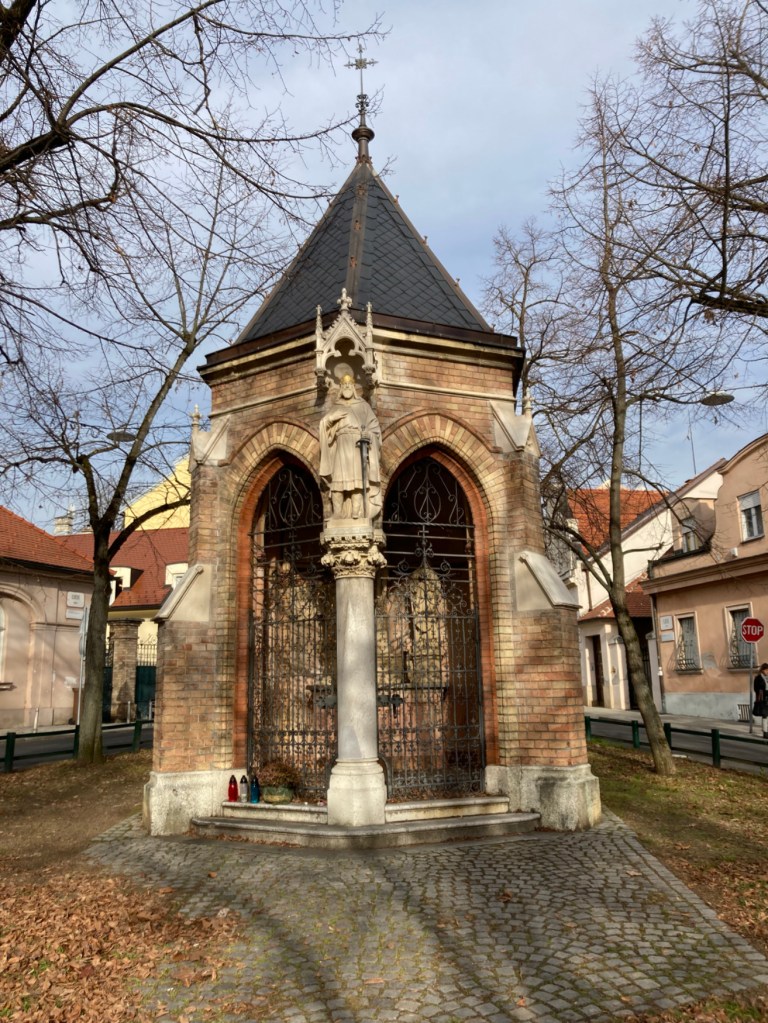
Small Chapels. Zagreb has a number of these small chapels and memorials. We saw a few of these small chapels in Rovinj as well. There must have been a “tiny church” movement at some point in Croatian history but Wikipedia is silent on this matter.
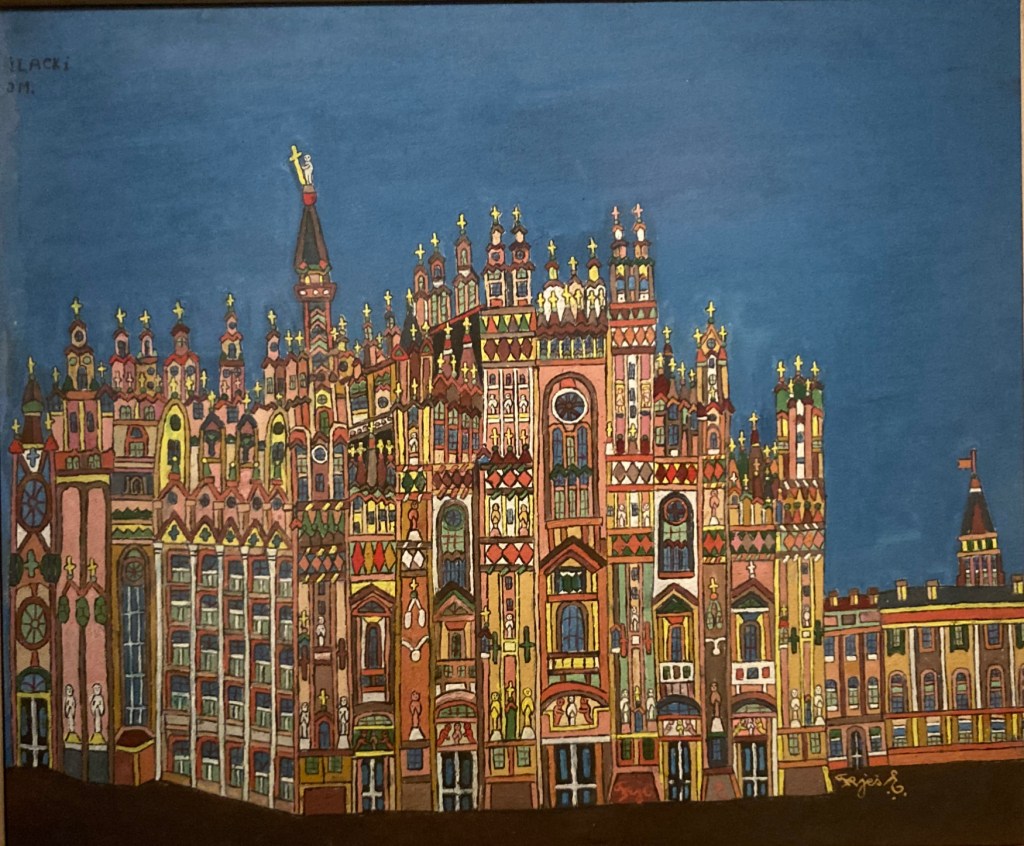
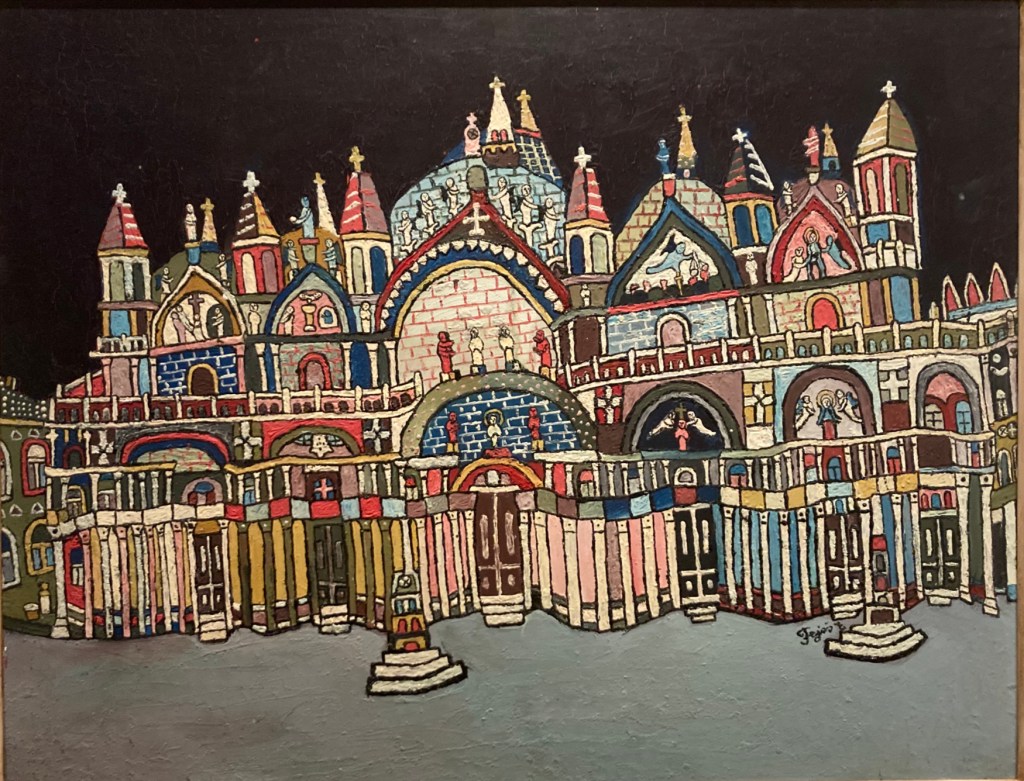
So far, this is probably my favorite art museum…maybe of all time. Although these artists are not formally trained, they seem to have a vision and, obviously, talent for representing their world. Many of the paintings were done on glass (apparently cheaper than canvas), which accounts for the glare on some of the images. NOTE that the paintings were done on the “back,” so you look through the glass plate to see the painting. The logistical considerations must be a nightmare. For example, the first thing you do is sign your name….backwards. Next, you have to figure out what parts of the painting are “on top” (i.e. closest to the viewer) and you paint those first. One more thing, the paint takes a week to dry before you can add the next layer. And how did they do 3D without knowing about linear perspective. Below are a few websites on the subject or just search for “Croatian Naive Art.”
https://travelhonestly.com/croatian-naive-art/
http://www.mijokovacic.com/biography/
https://www.total-croatia-news.com/made-in-croatia/55707-hlebine-school
https://classroom.ricksteves.com/videos/the-croatian-museum-of-naive-art
 John and Susan's Excellent Adventure