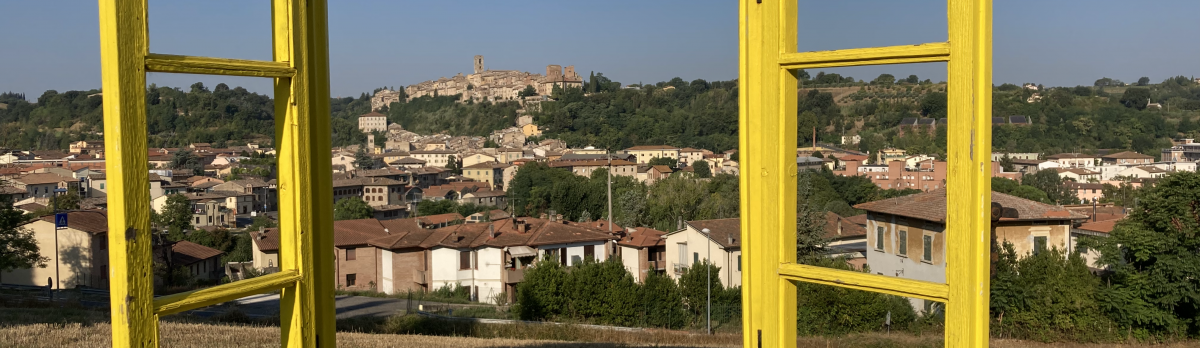
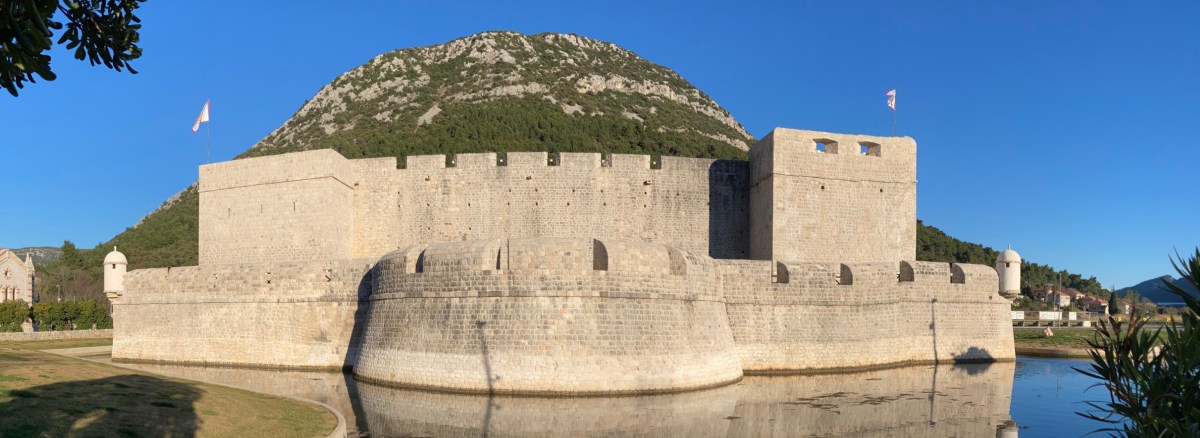
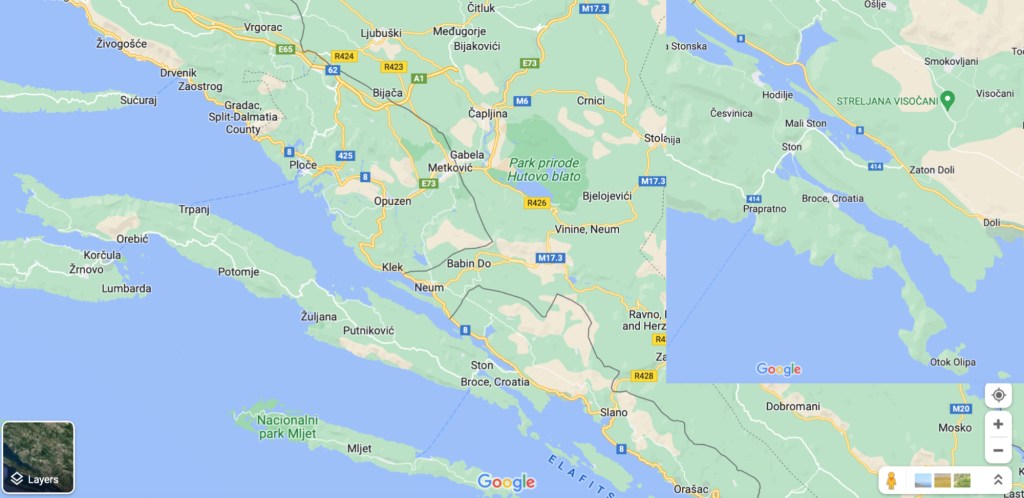
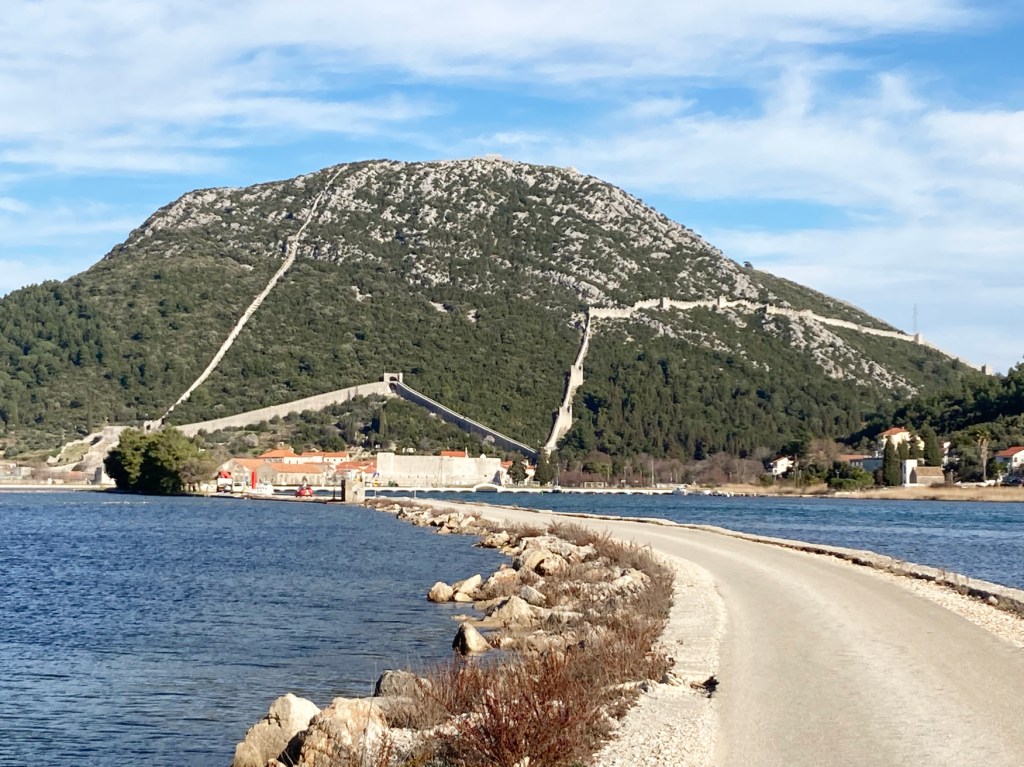
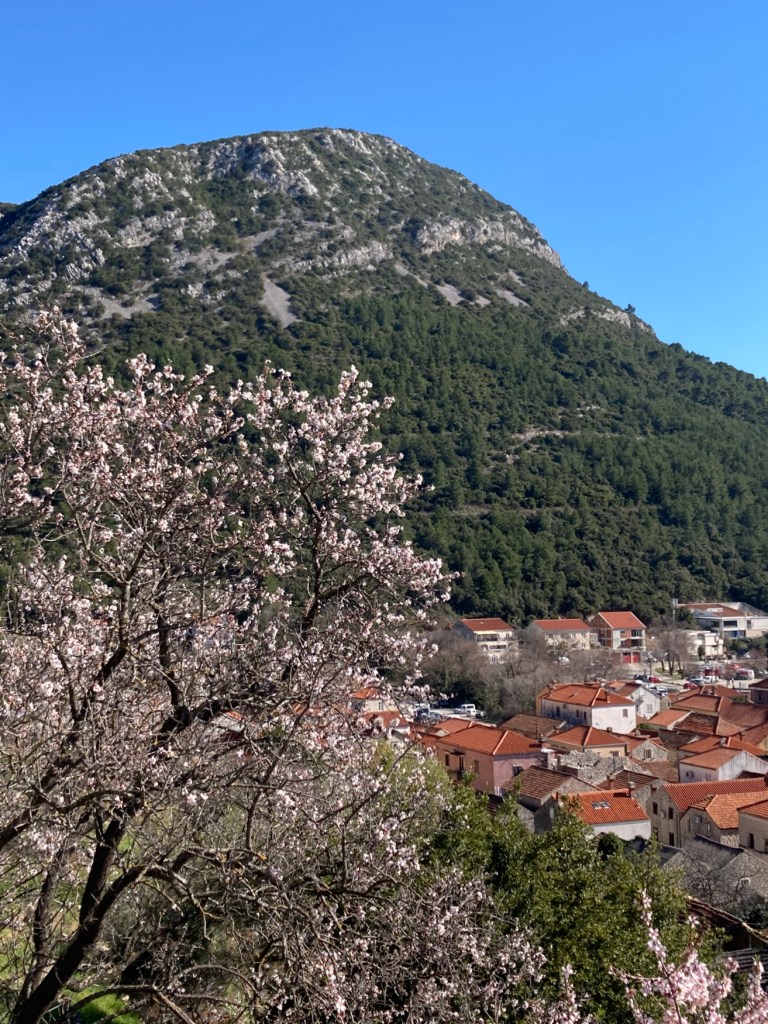
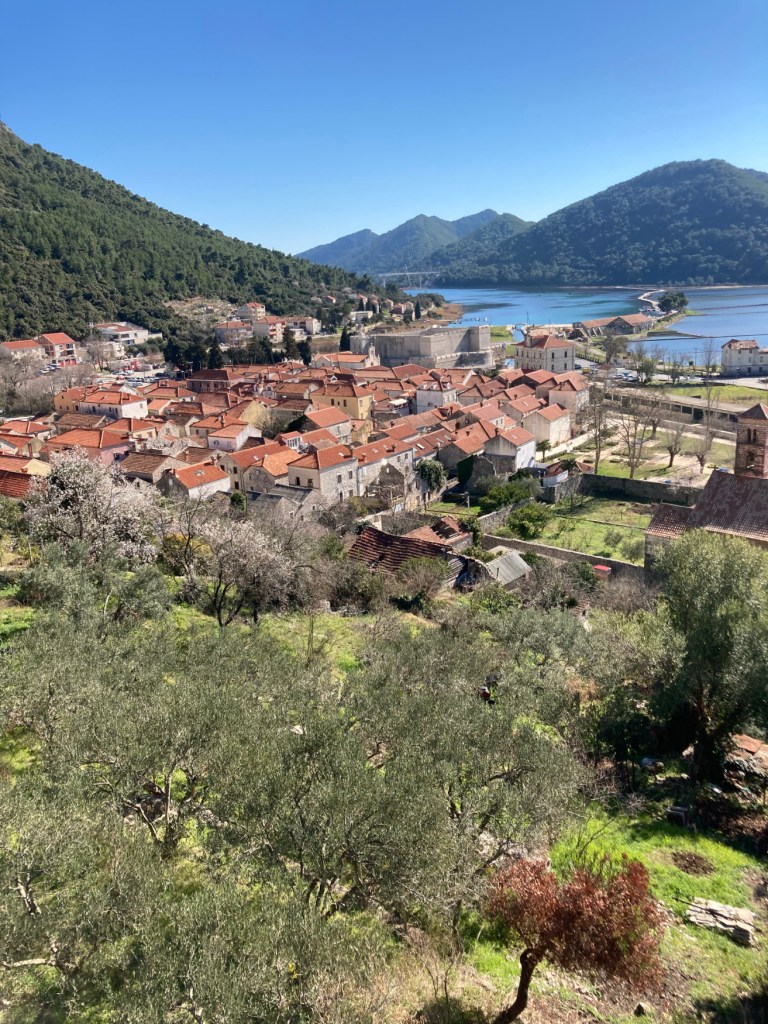
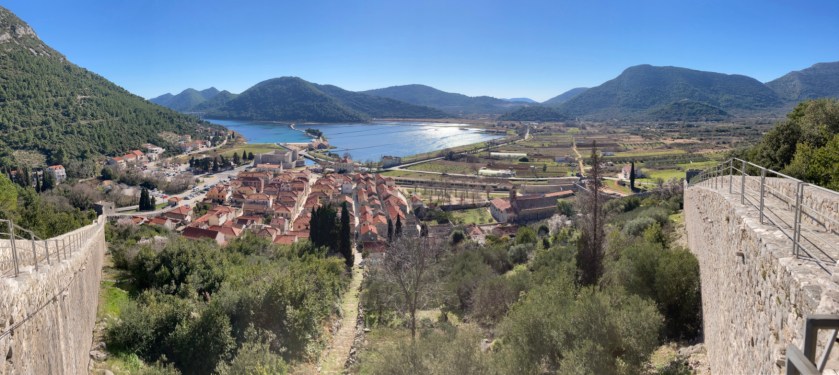
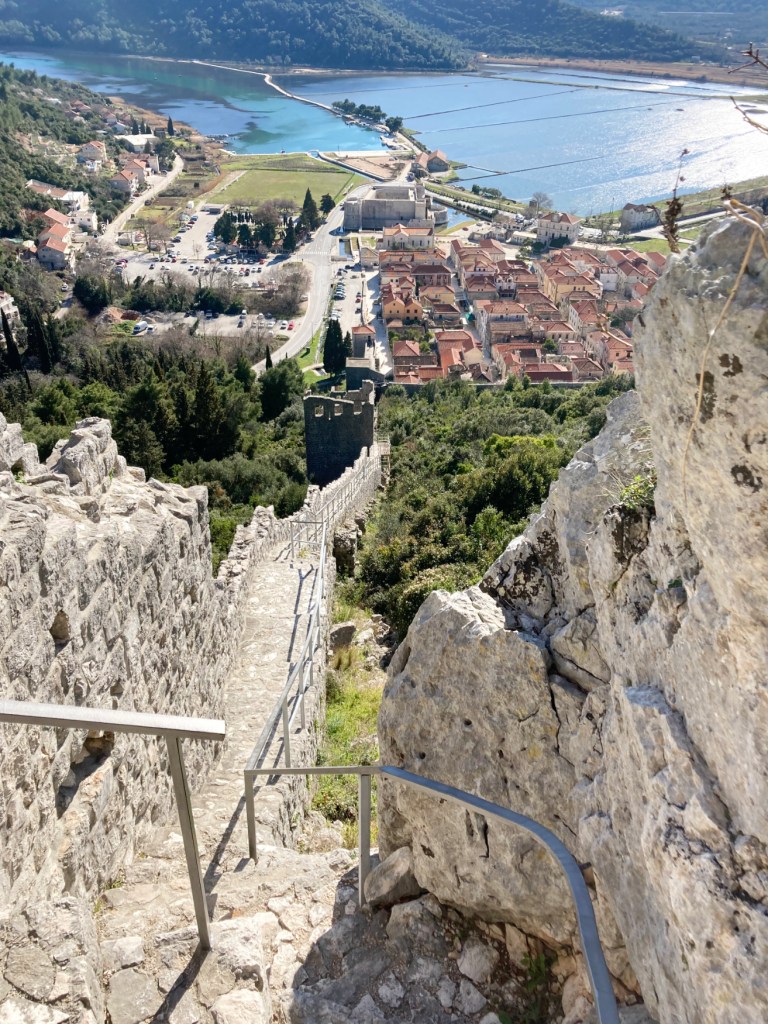
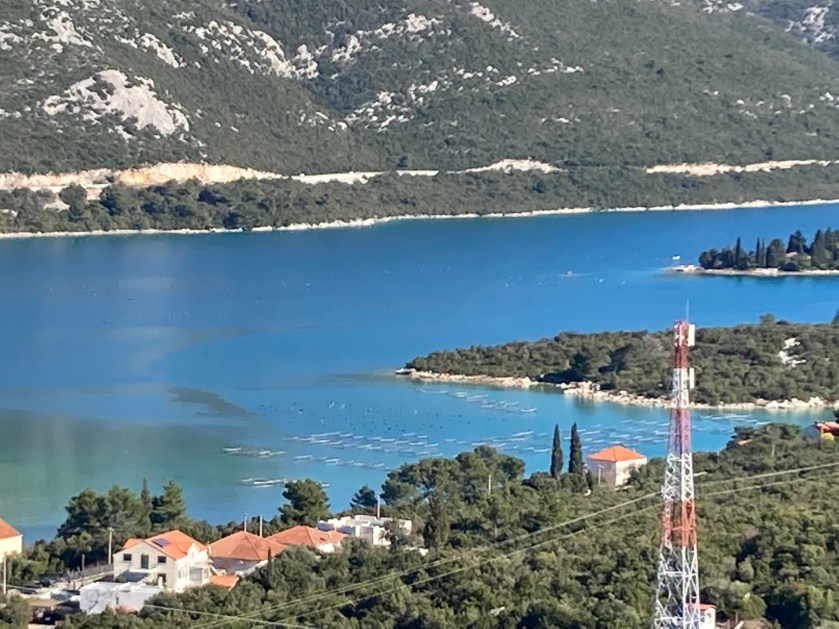
We took the #15 Libertas Bus and did an overnight trip to Ston (pronounced “stone”). Ston is at the base of the Peljesac peninsula. It’s situated at the end of a small bay on the Adriatic side of the peninsula. Peljesac is only a couple of kilometers wide at this point. The town of Mali Ston (Mali= little) is on the bay side of the narrow base of the peninsula. There are 3 reasons for the tourist to visit Ston: walls, salt, and oysters.
Salt and Walls
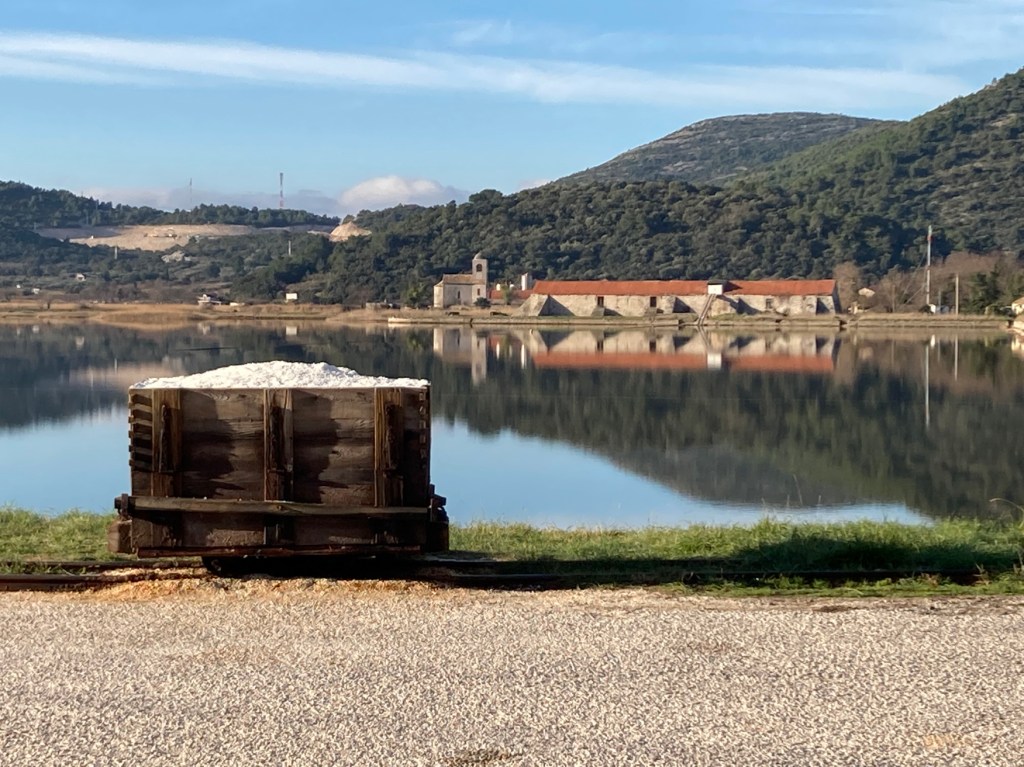
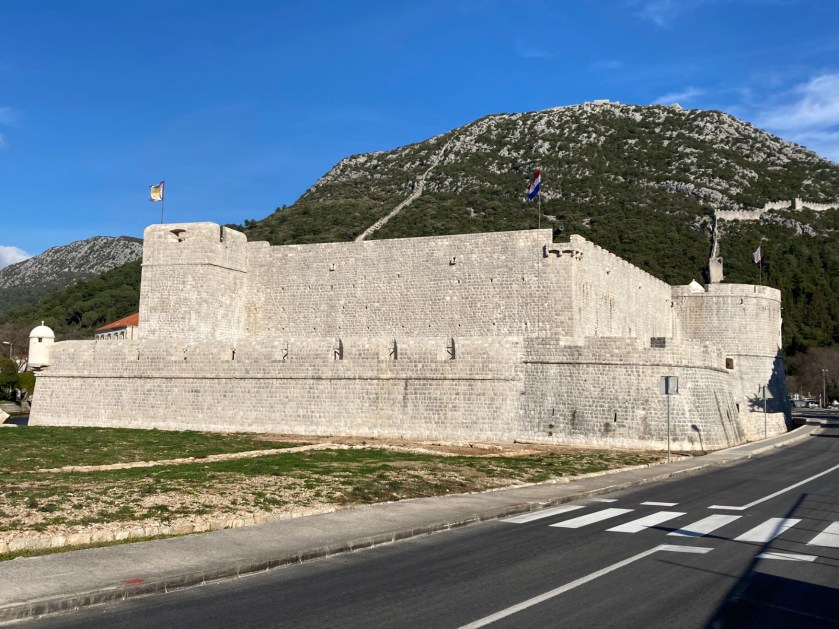
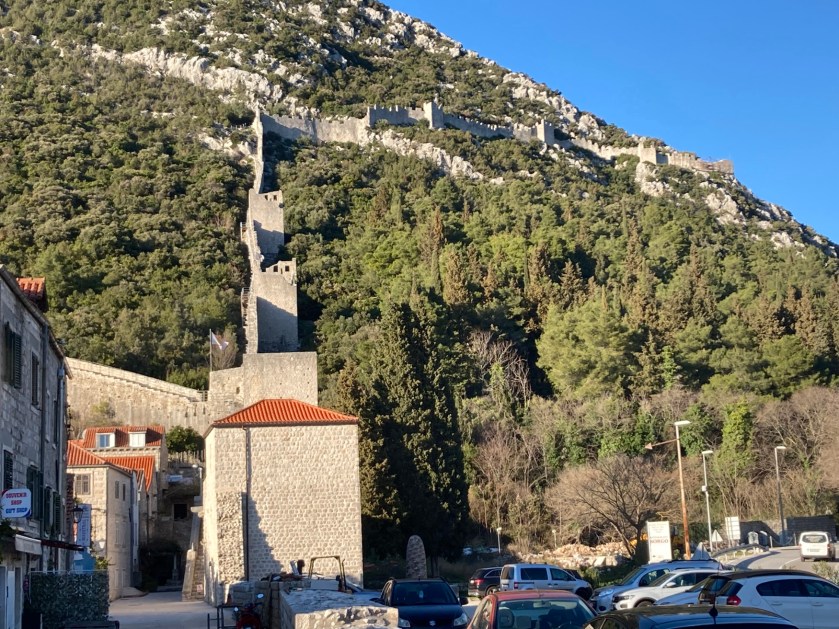
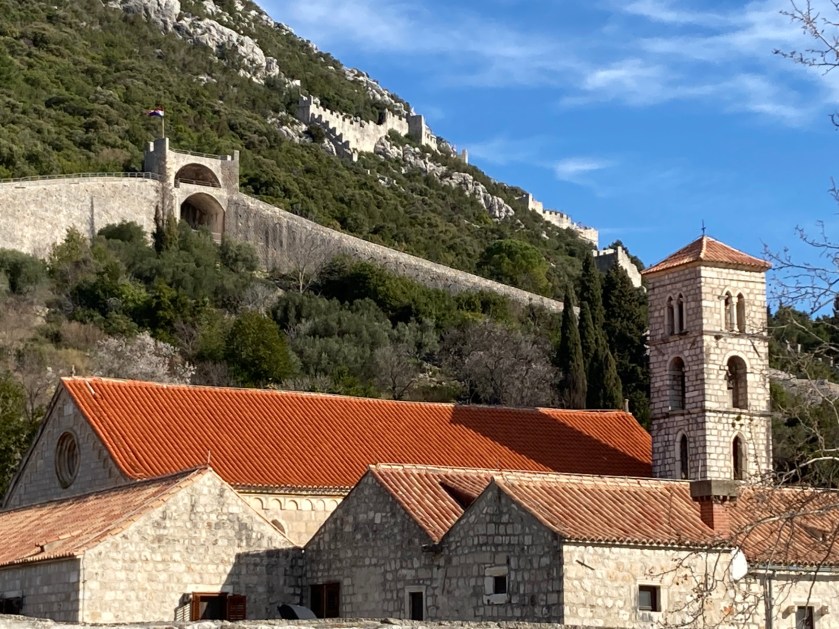
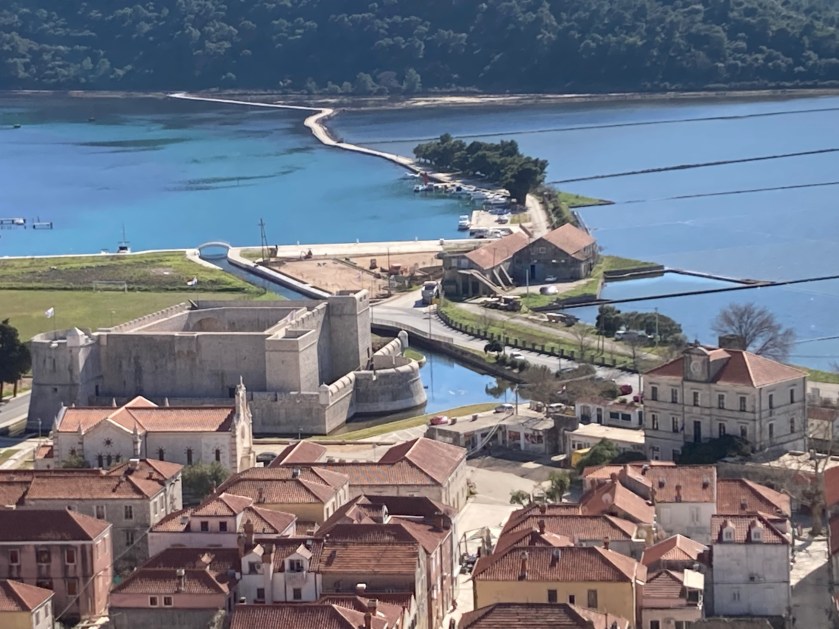
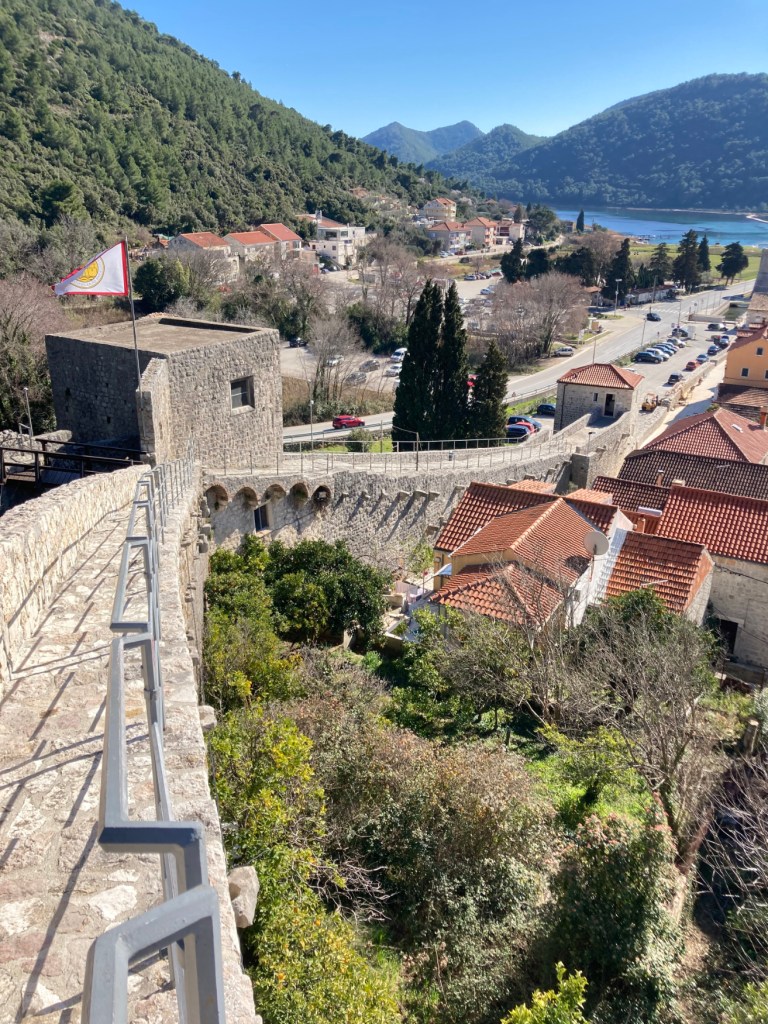
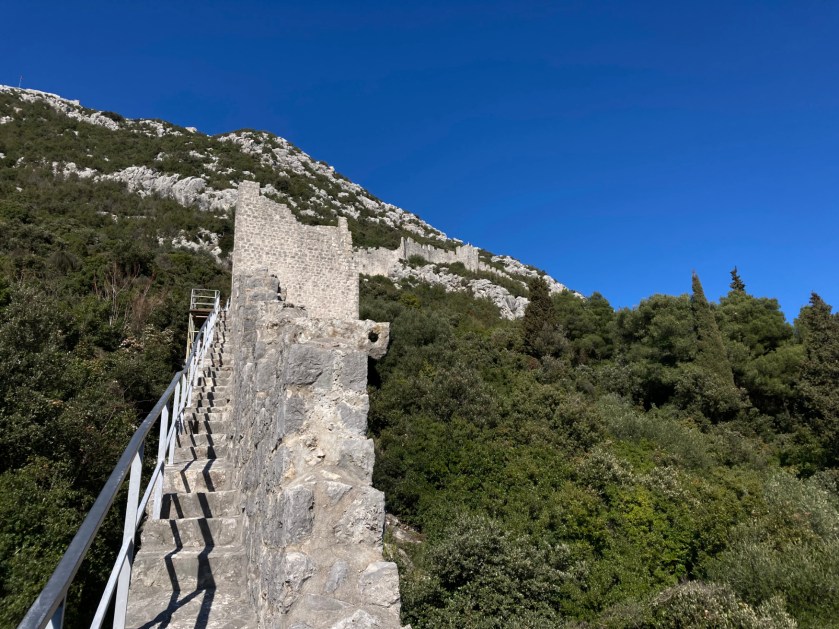
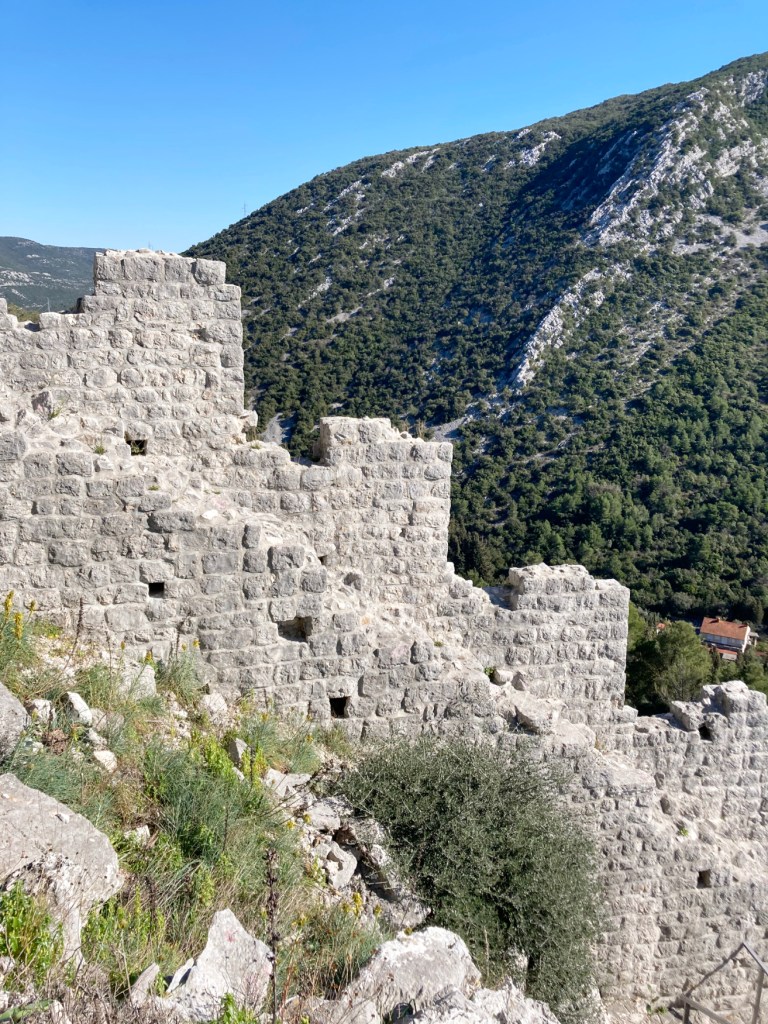
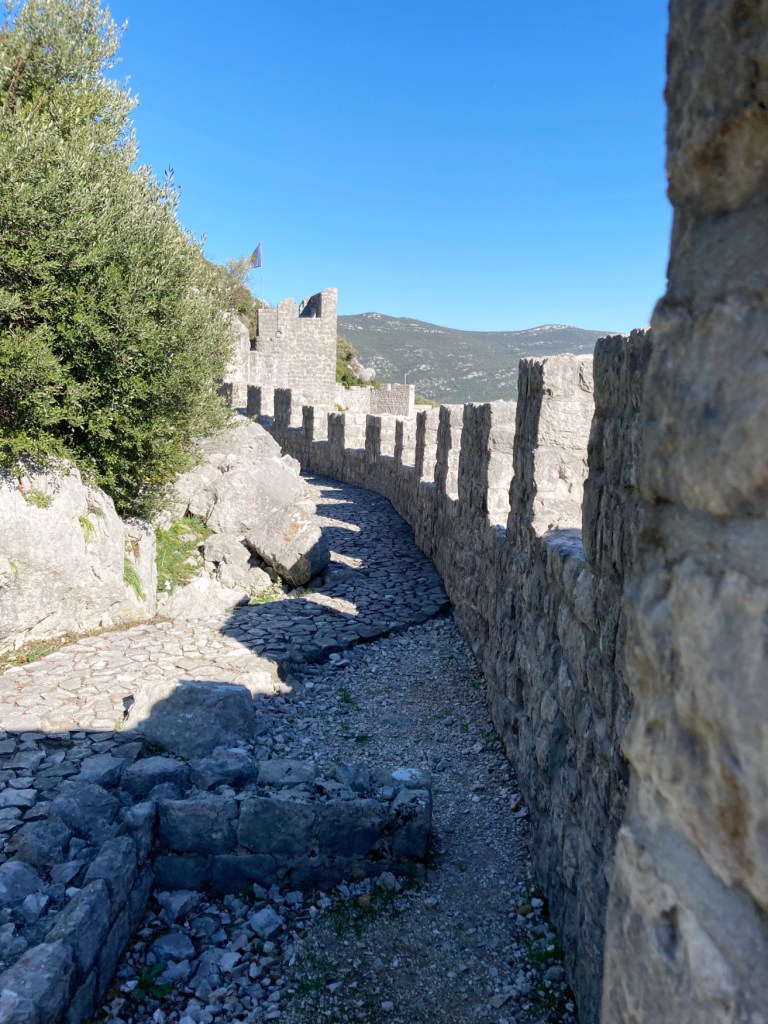
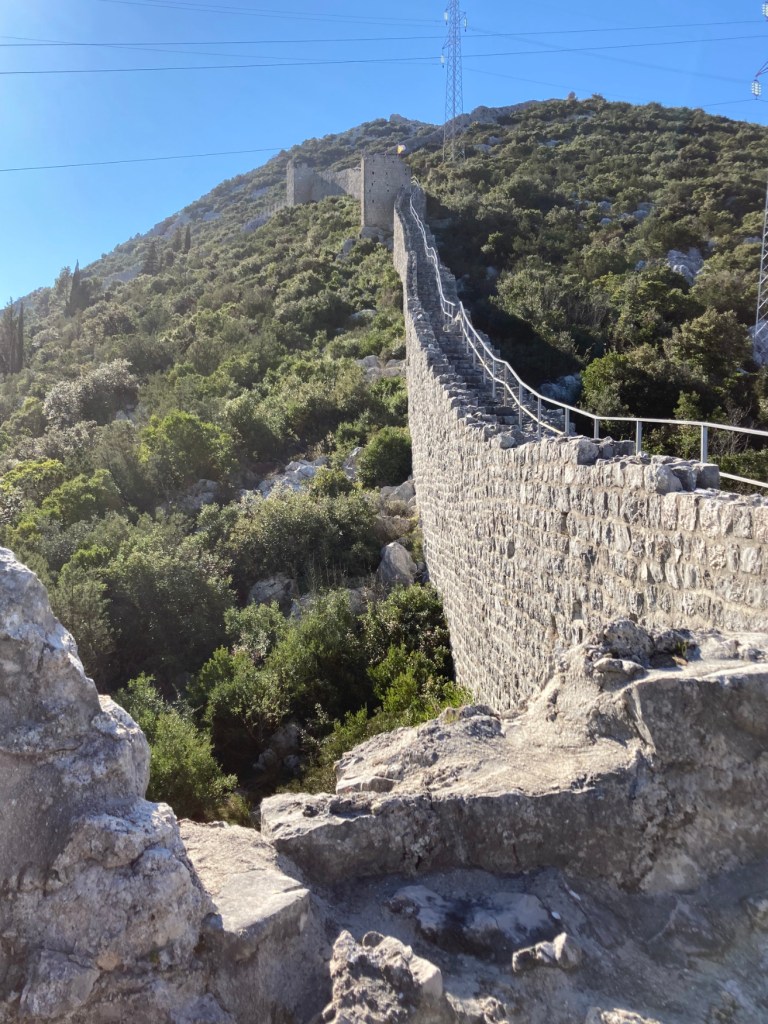
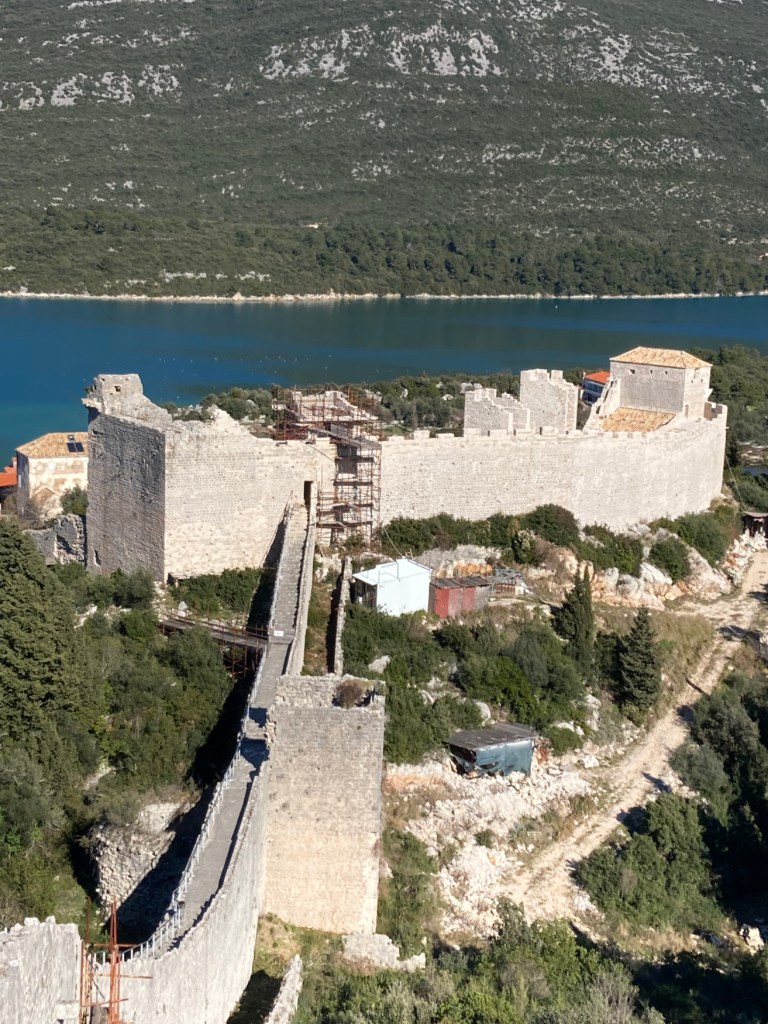
This area (like most of the Balkans) has a long and convoluted history. For our purposes, we’ll begin in 1333 when the Republic of Dubrovnik purchased the Peljesac Peninsula. This acquisition expanded the Republic in a strategically important area that was geographically better for defense. Most important, however, Ston was a site of salt production. The bay is very shallow and the local population had leveled these shallows and put in flat stones to create pans where seawater was evaporated. Salt production in this area may go back to the Romans or further. During these times, salt was nearly as valuable as gold. To protect a resource in the Middle Ages as valuable as gold, you need a wall. So the Republic of Dubrovnik built a network of walls and forts that extends from Ston to Mali Ston and exists to this day; the longest wall (5 km) in Europe.
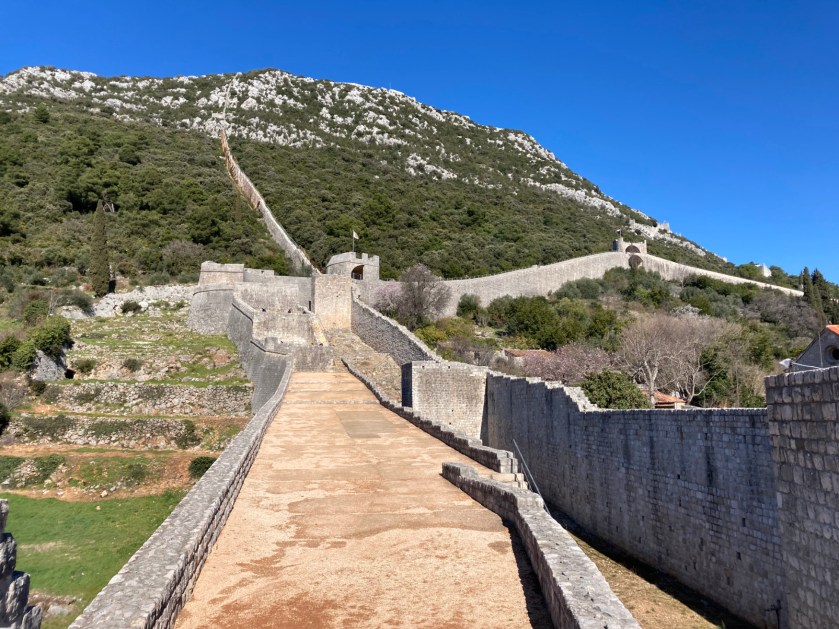
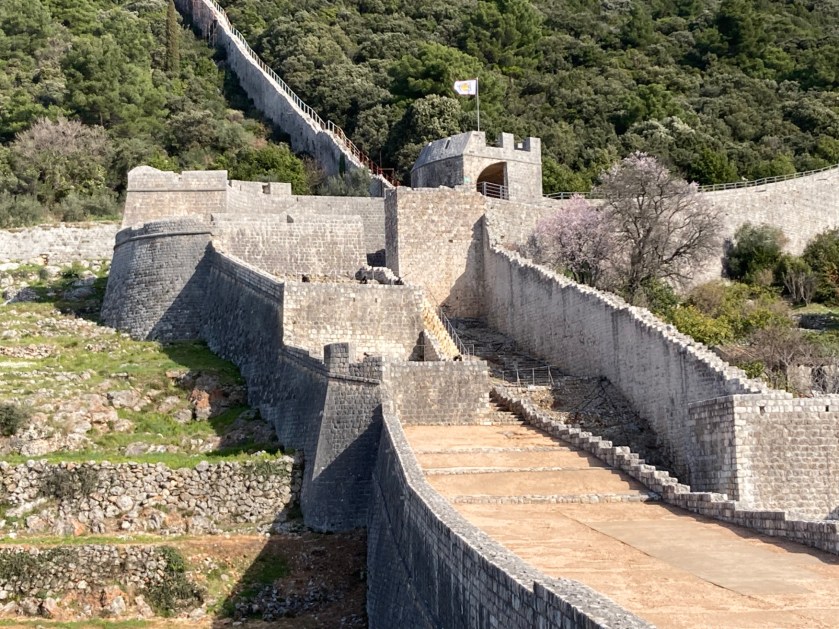
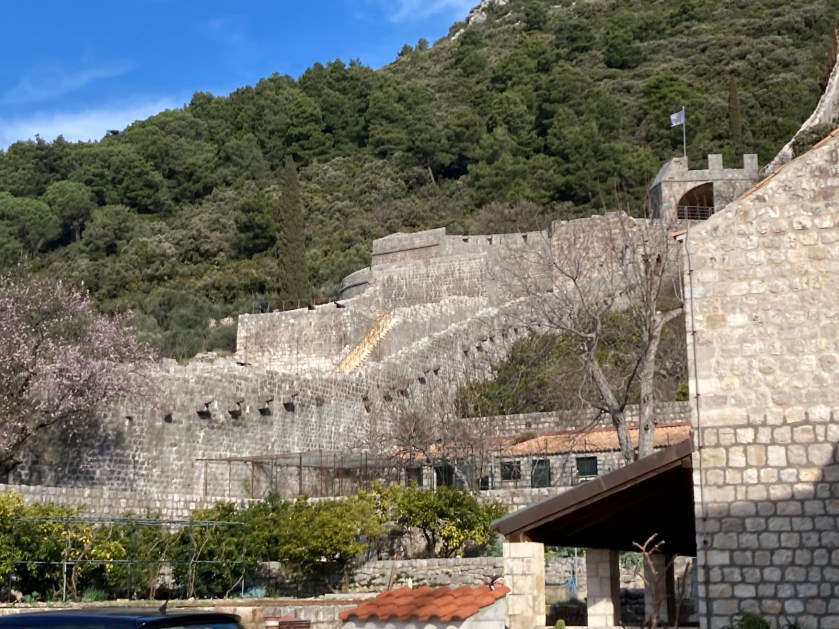
Oysters
These days, this area is known for oysters. Some say Ston oysters are the best in the world due to a perfect storm of seawater temperature and the right amount of freshwater flowing into the bay.
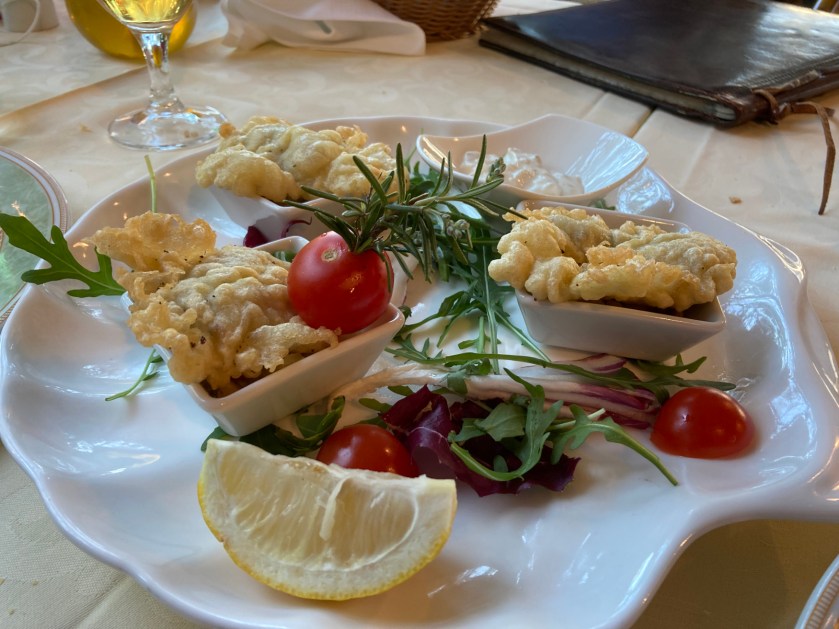
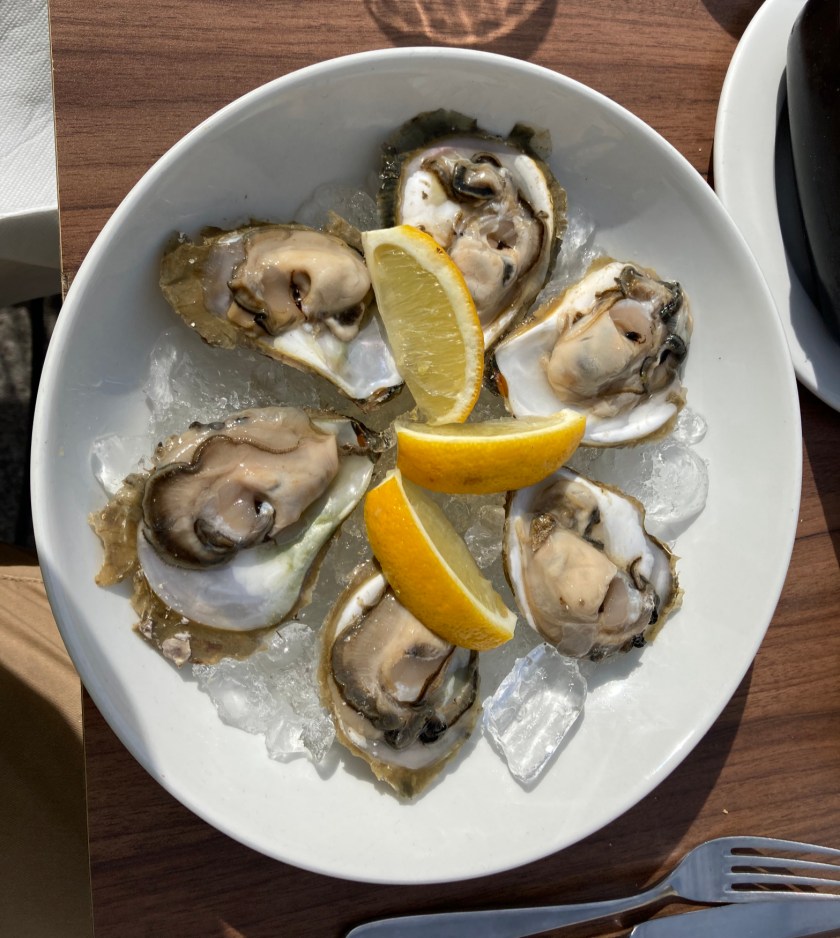
Anyhow, Susan and I got to Ston at lunch. Had oysters for lunch in Mali Ston (after walking the wall). Had oysters for dinner in Ston. The next morning, hoping to go 3 for 3, we went to a restaurant that seemed to be serving food and asked if it would be possible to get a plate of oysters. The young server said yes and we sat down. A few minutes later, he brought us our cappuccinos. Finished our cappuccinos. Waited…and waited. Finally, after about 45 minutes, the waiter comes out, apologizes, and says they didn’t have any oysters on hand and one of his colleagues had to go over to Mali Ston and find an oyster farmer to go pull our order out of Mali Ston Bay. About 30 minutes later, he brings this plate of fresh oysters and a couple of fried ones. All excellent.
 John and Susan's Excellent Adventure