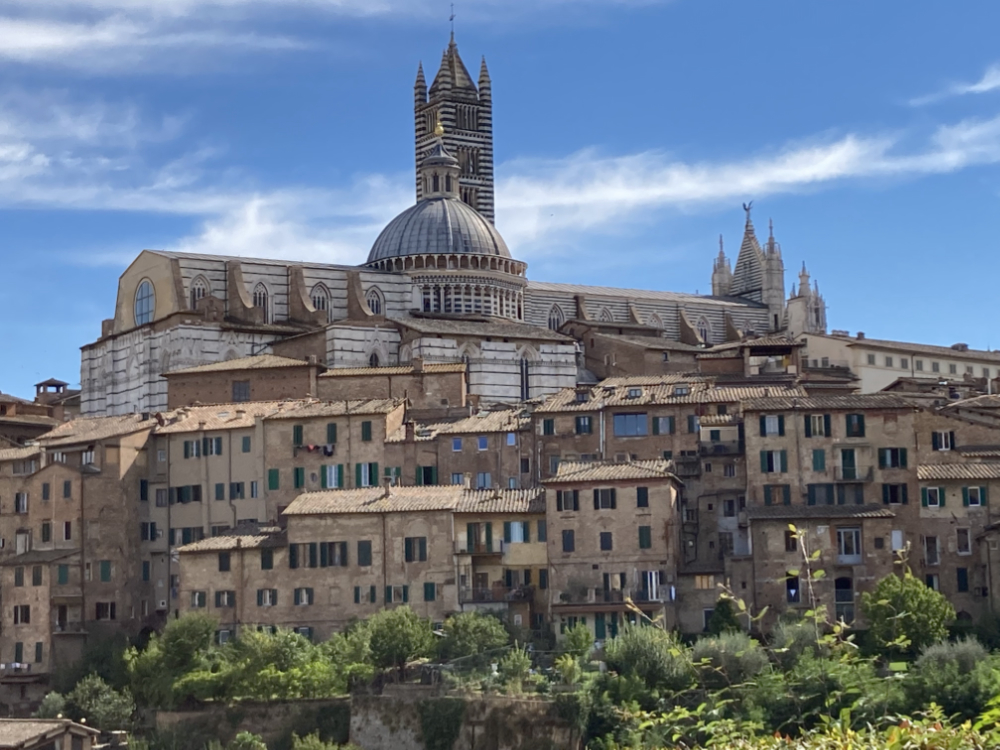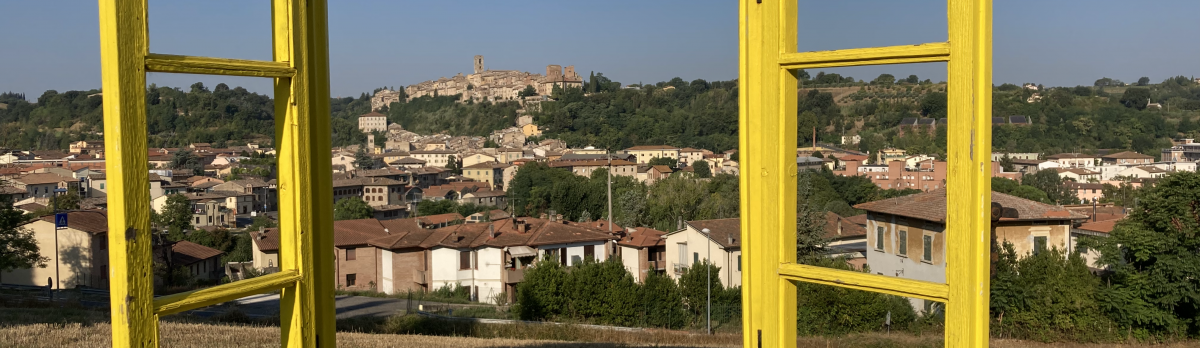
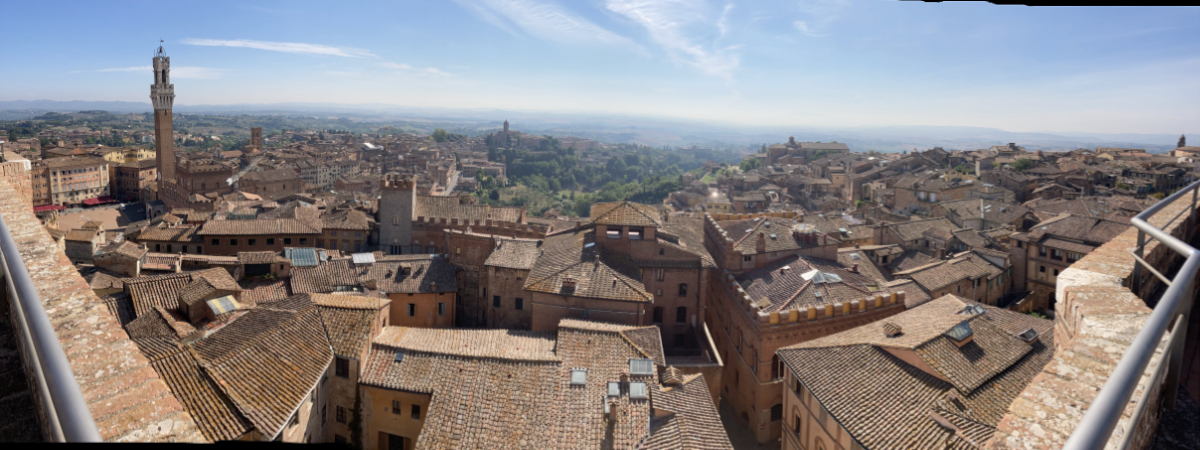
Siena- the city

A brief history of Siena. As with many Tuscan towns and cities, Siena began as an Etruscan city (8th Century B.C.) and then became a Roman city. It’s primarily know today, however, for it’s “golden age” during the end of the Middle Ages into the Renaissance. It was a center for banking and had it’s own distinctive Sienese school of painting. During this time, it was in competition with Florence which often manifested in warfare. Eventually, Florence came out on top. The arrival of the Black Death (bubonic plague) in 1348 was the beginning of the end of Siena’s prominence in Italian affairs.
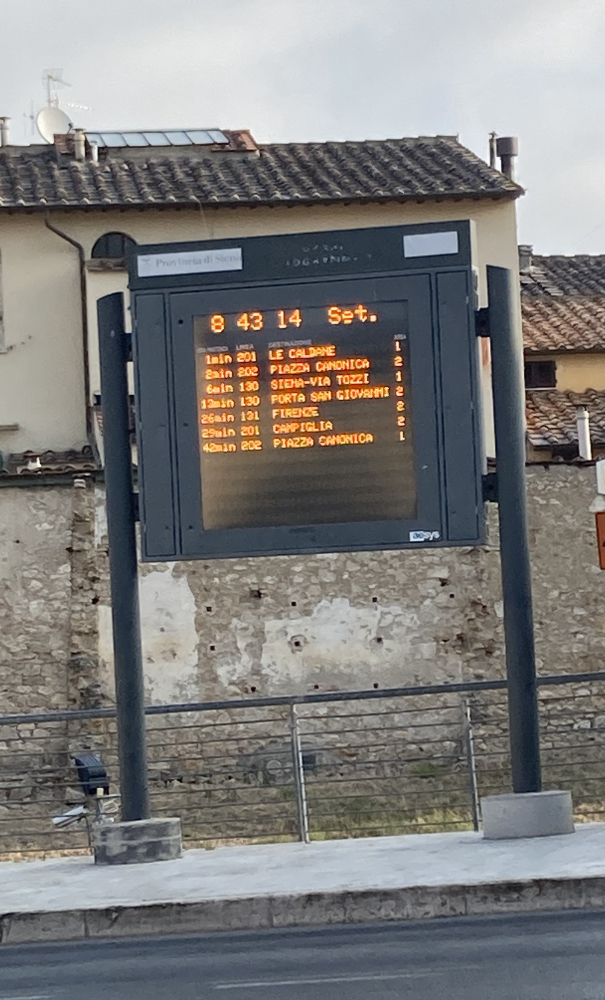
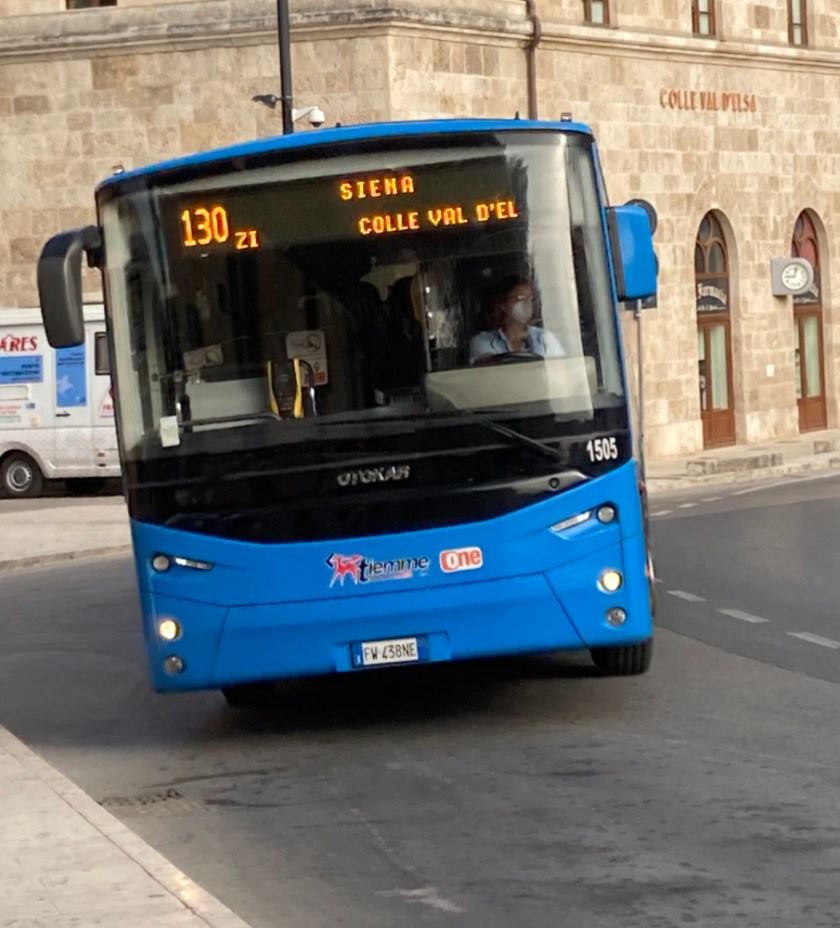
We’re learning the bus system. Looks like the 130 is on time.

Let’s go to Siena.
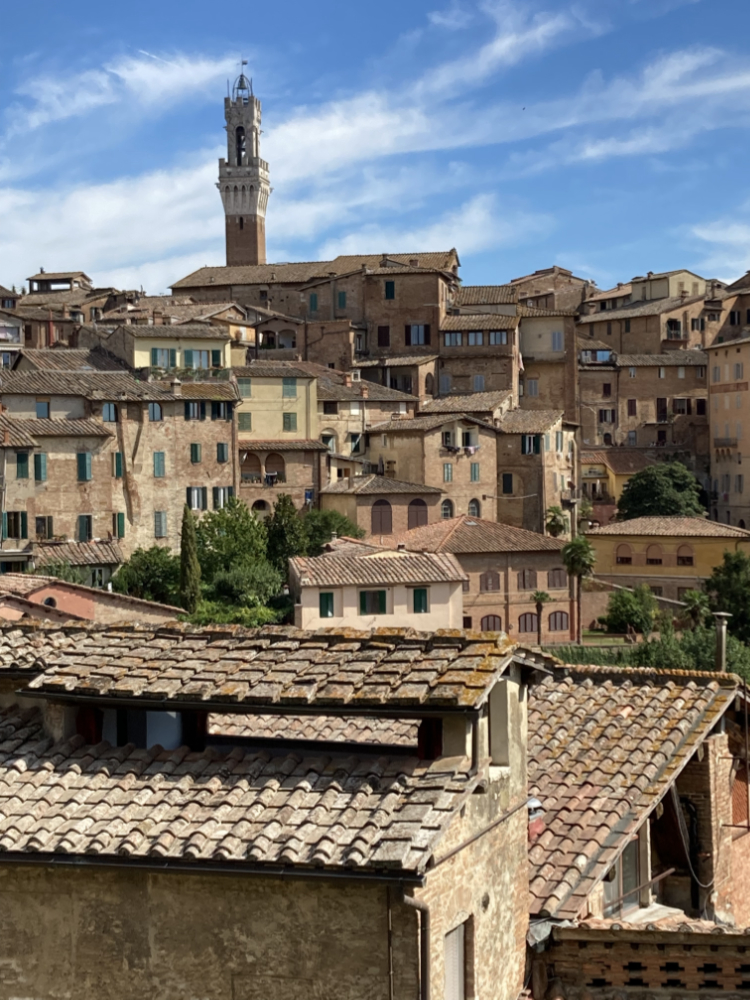
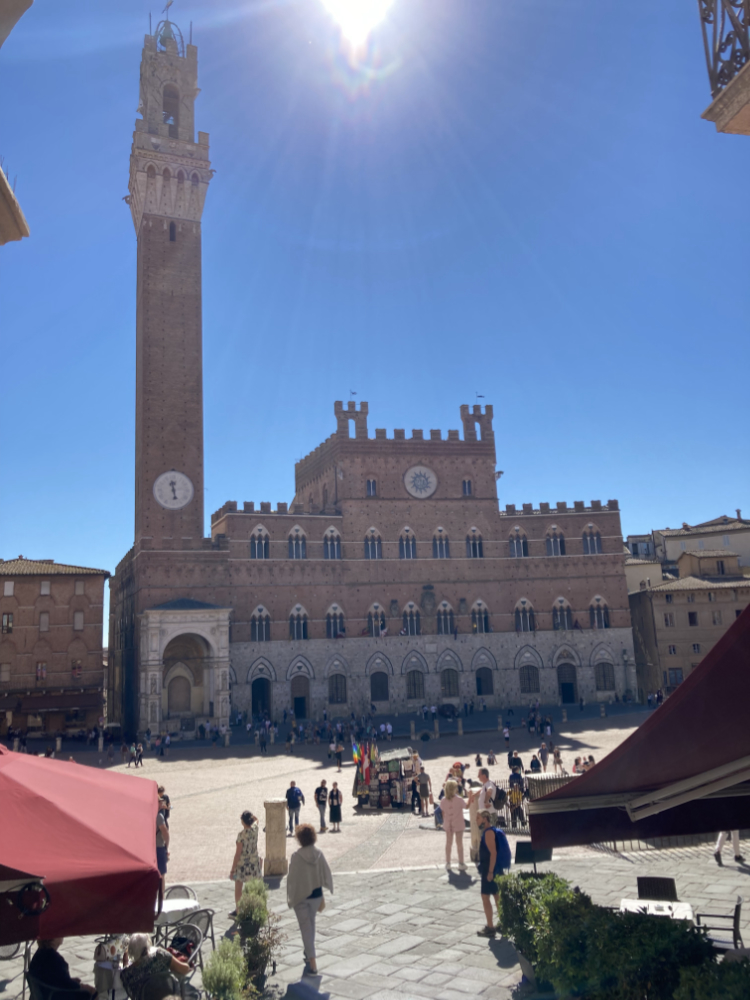
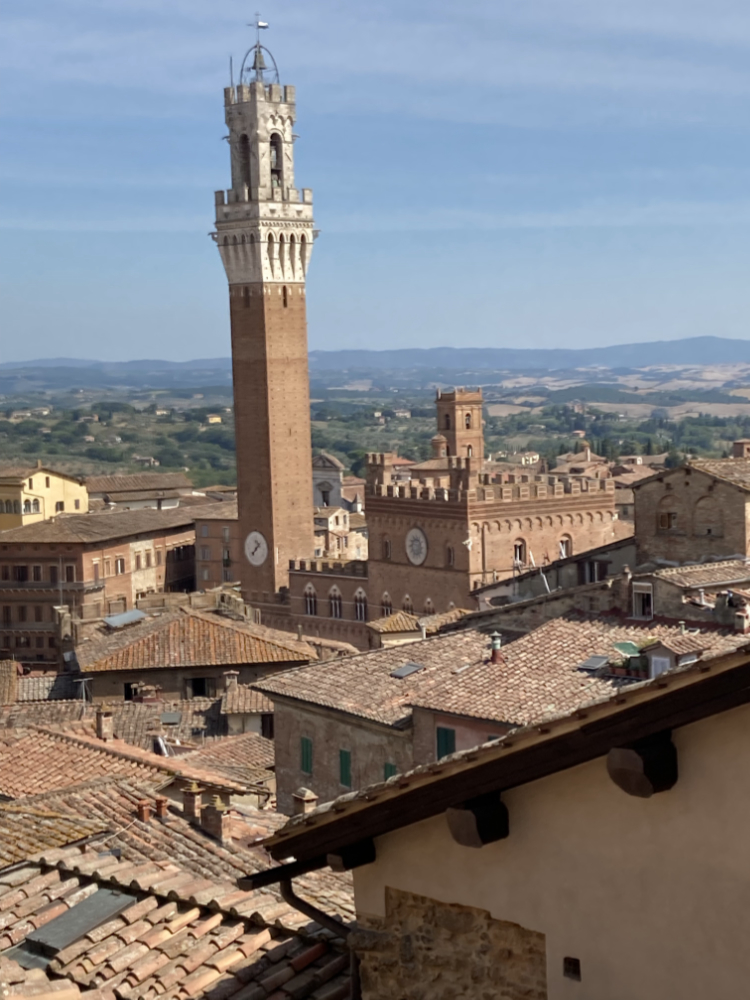
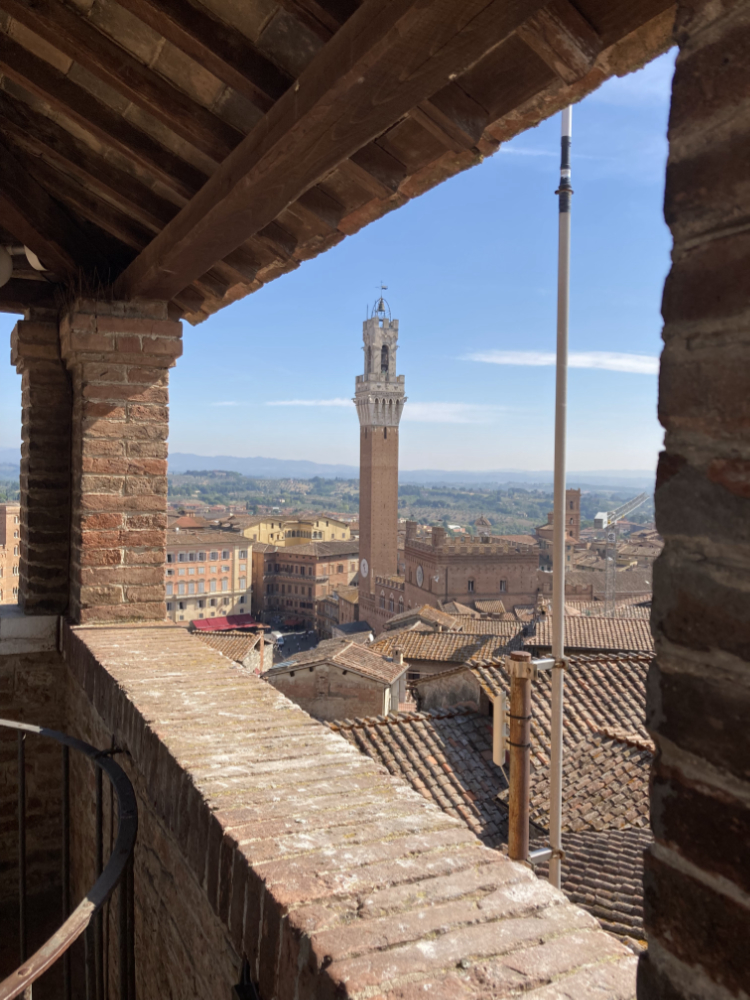
Palazzo Pubblico Tower.
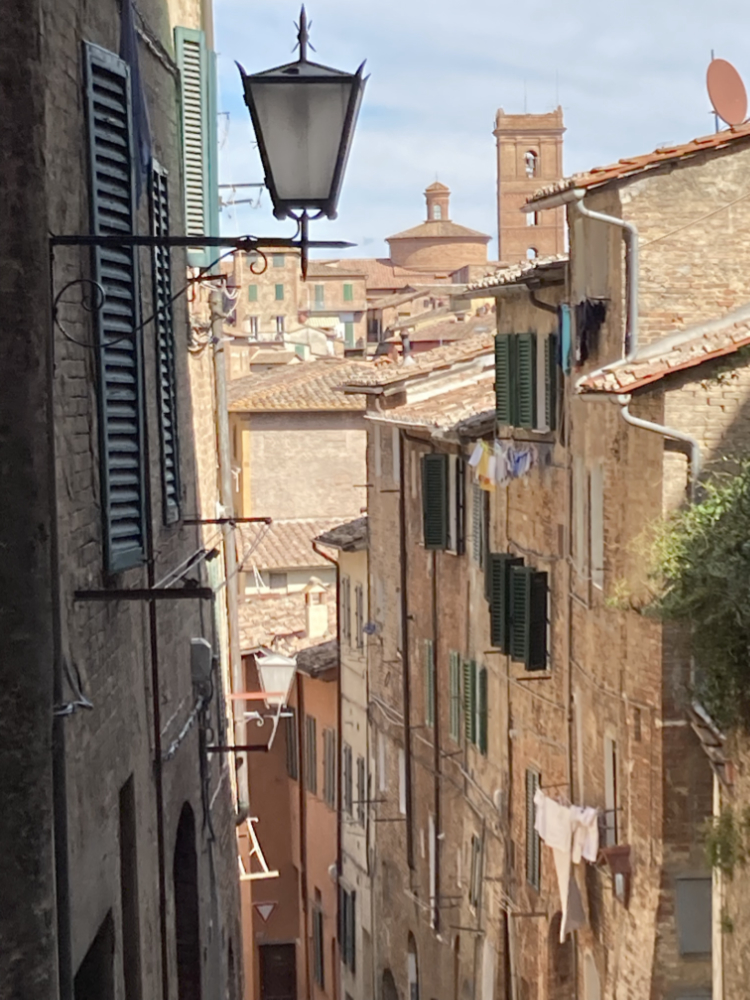
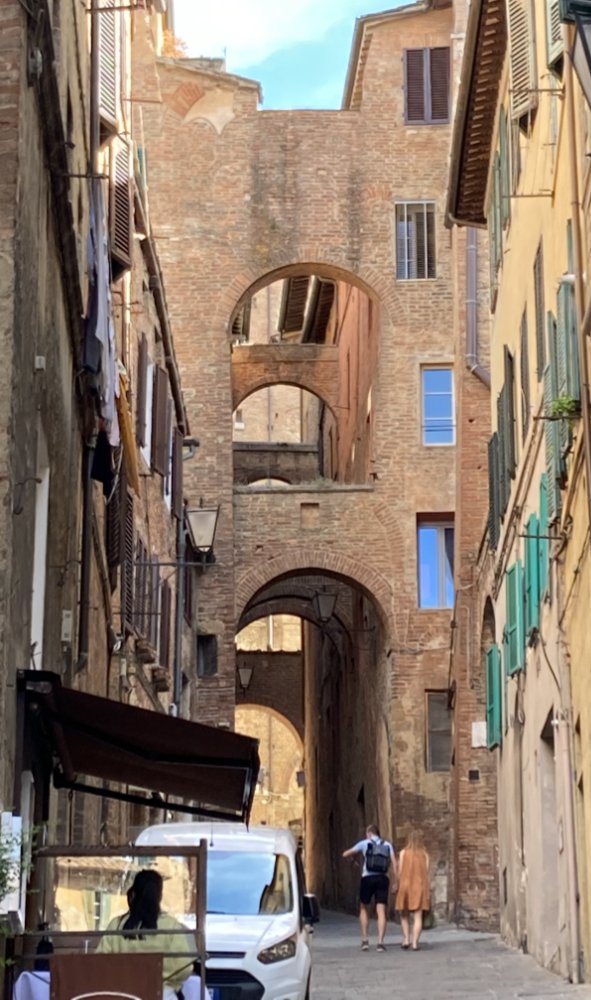
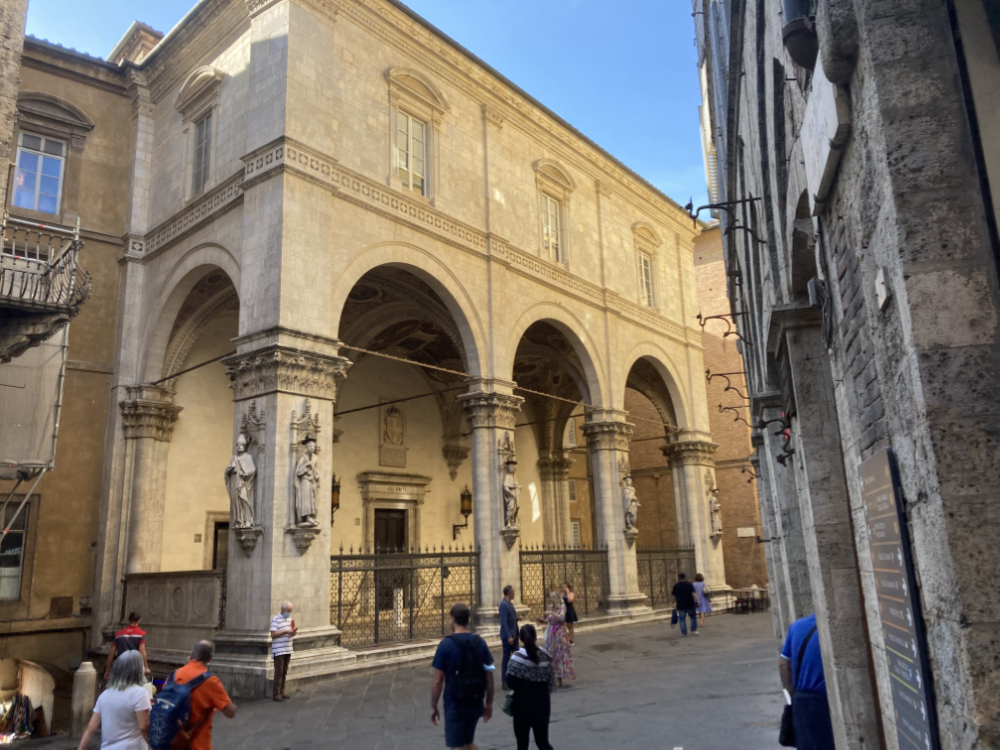
Street scene.
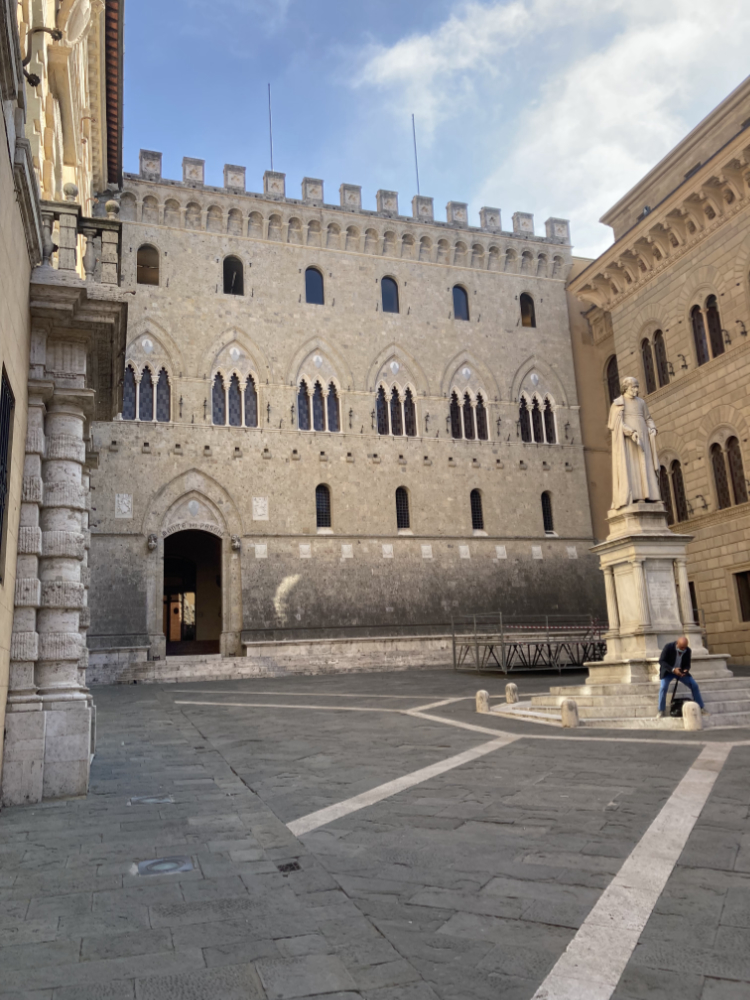
Banca Monte dei Paschi di Siena. Founded in 1472, it’s the oldest bank in the world; NYT says it may not be around too much longer- too many bad loans.
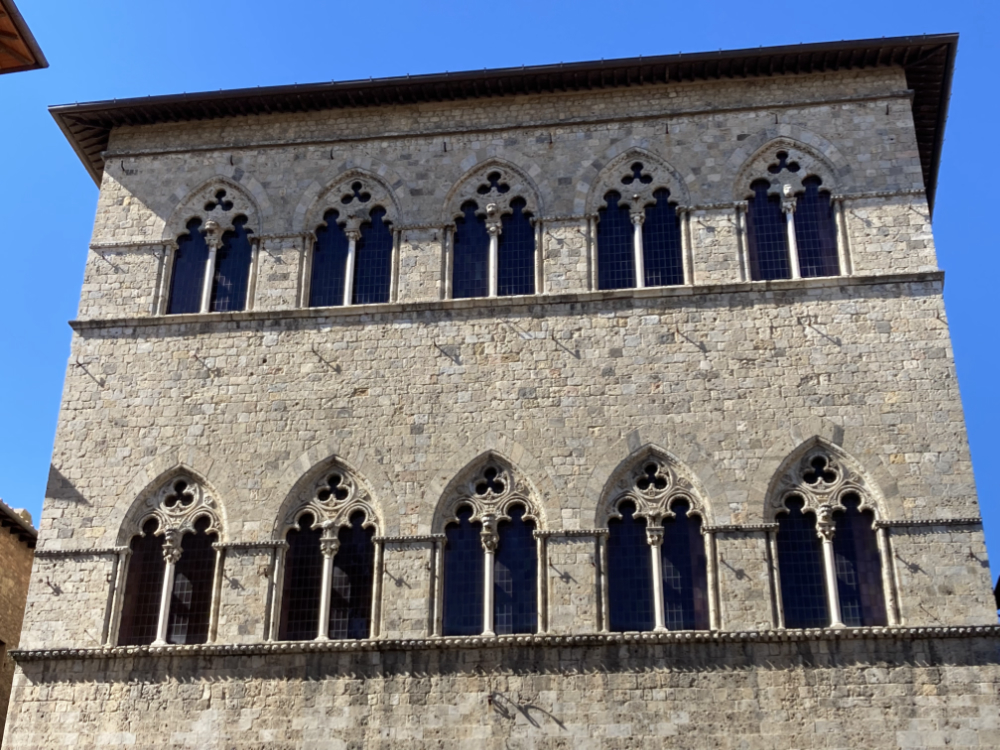
We were told these are classic Sienese renaissance windows- one arch over two windows.
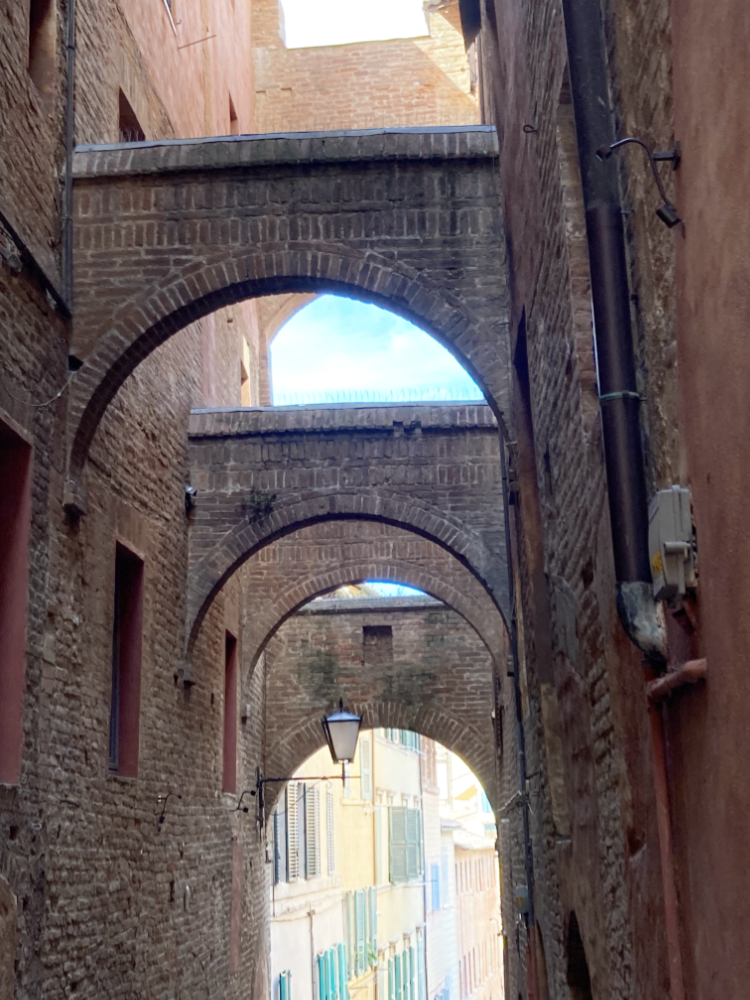
As the buildings got taller, they needed these arches to keep the buildings’ upper floors from leaning into each other.
One of the great things about Italy are the public fountains. That little boy and his turtle are saving lives dispensing potable water when the temperature is in the 90’s.
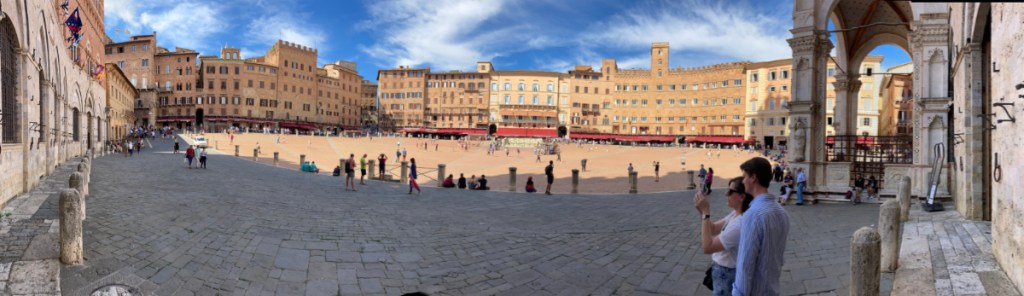
Palazzo Pubblico and Piazza del Campo.
Piazza del Campo- Site of Roman forum. This is where they hold the Palio, a horserace with each horse sponsored by a Siena neighborhood (https://en.wikipedia.org/wiki/Palio_di_Siena)
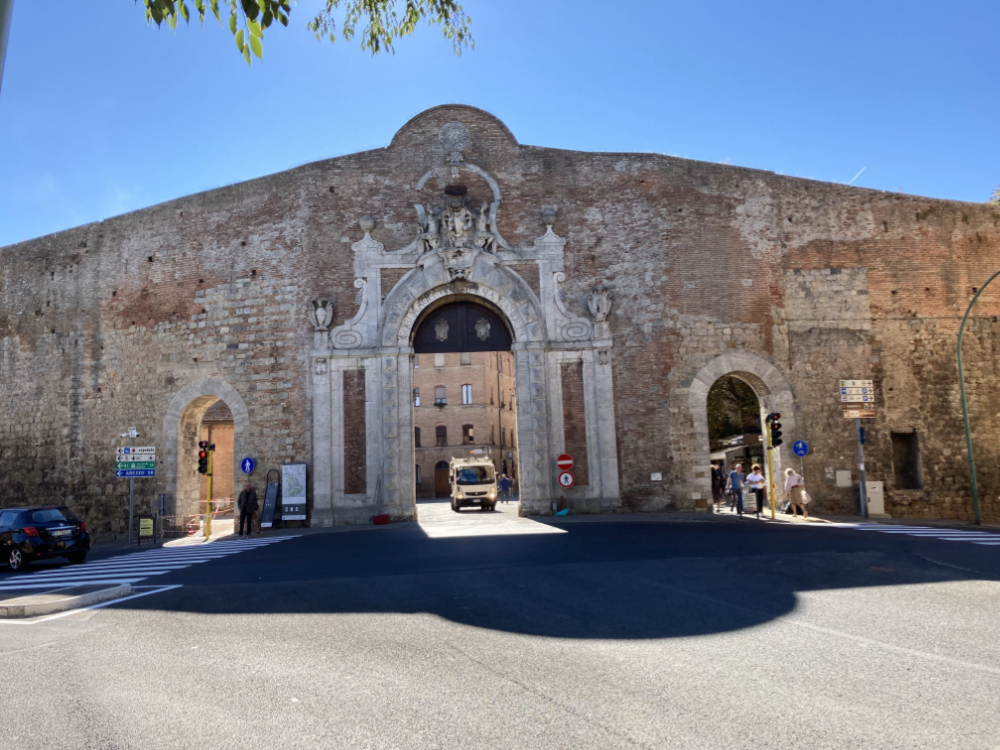
Porta Camollia- one of the gates in the wall around Midieval Siena
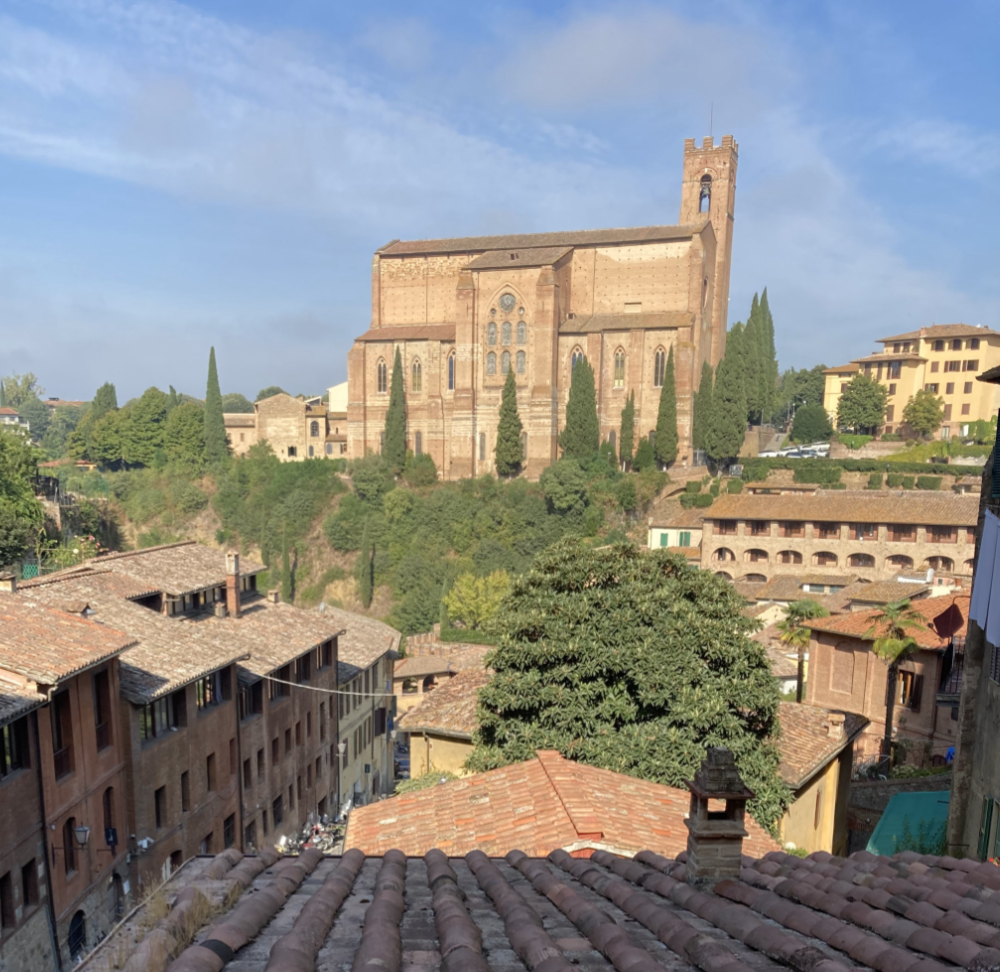
Basilica Dominca (also known as Basilica Cateriniana- a chapel inside contains the head and finger of St. Catherine (a little more on this in the next post).
Palazzo Pubblico (public palace or city hall).
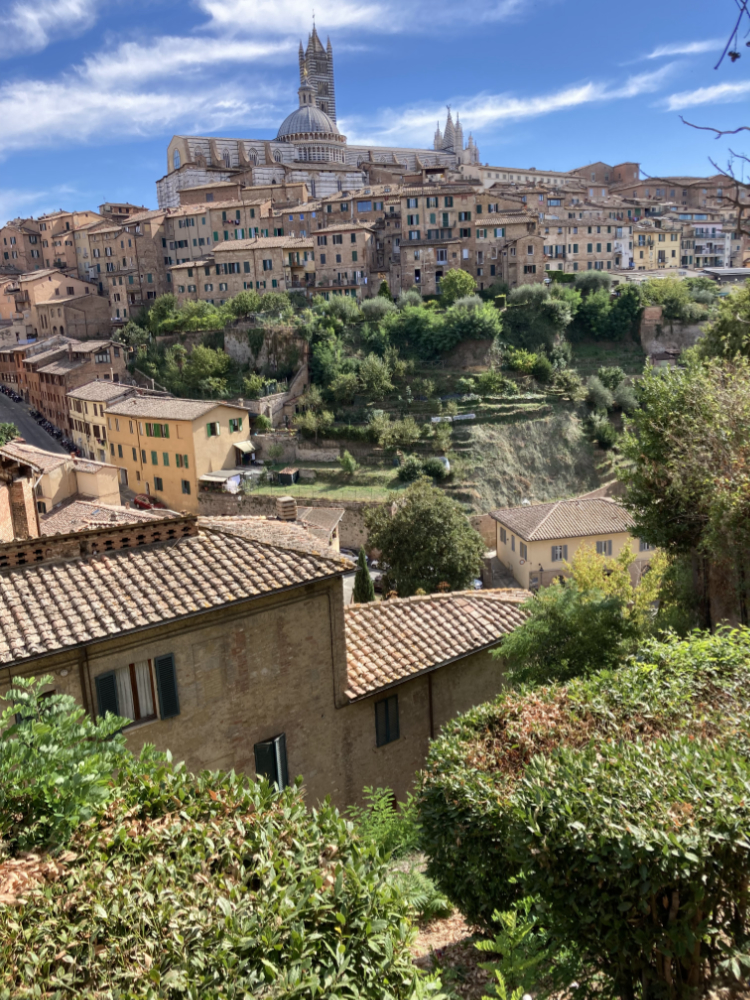
The Duomo di Siena (cathedral).
The Duomo di Siena is huge. It was built between the mid 1200’s and early 1300’s.