Personally, I was pretty ignorant about Zagreb. Zagreb began has two adjacent small towns, one civil (Gradec), the other Catholic (Kaptol). Sometimes they got along, sometimes they didn’t. Eventually, as both grew, they merged into one. Now, after a long and complicated history involving Romans, Mongols, the Venetian empire, the Ottoman Empire, the Austro-Hungarian empire, world wars, Tito, and the dissolution of Yugoslavia (the Homeland War), Zagreb is the capital of Croatia. We think it’s a great city- many museums (some pretty quirky), 17th-18th century Hapsburg architecture (Rick Steve’s calls it “Zagreb Baroque”), and really good restaurants. Although much of the cuisine has what I would consider “comfort food” elements, i.e. gravy and starch, it is skewed heavily toward meat. One more thing…
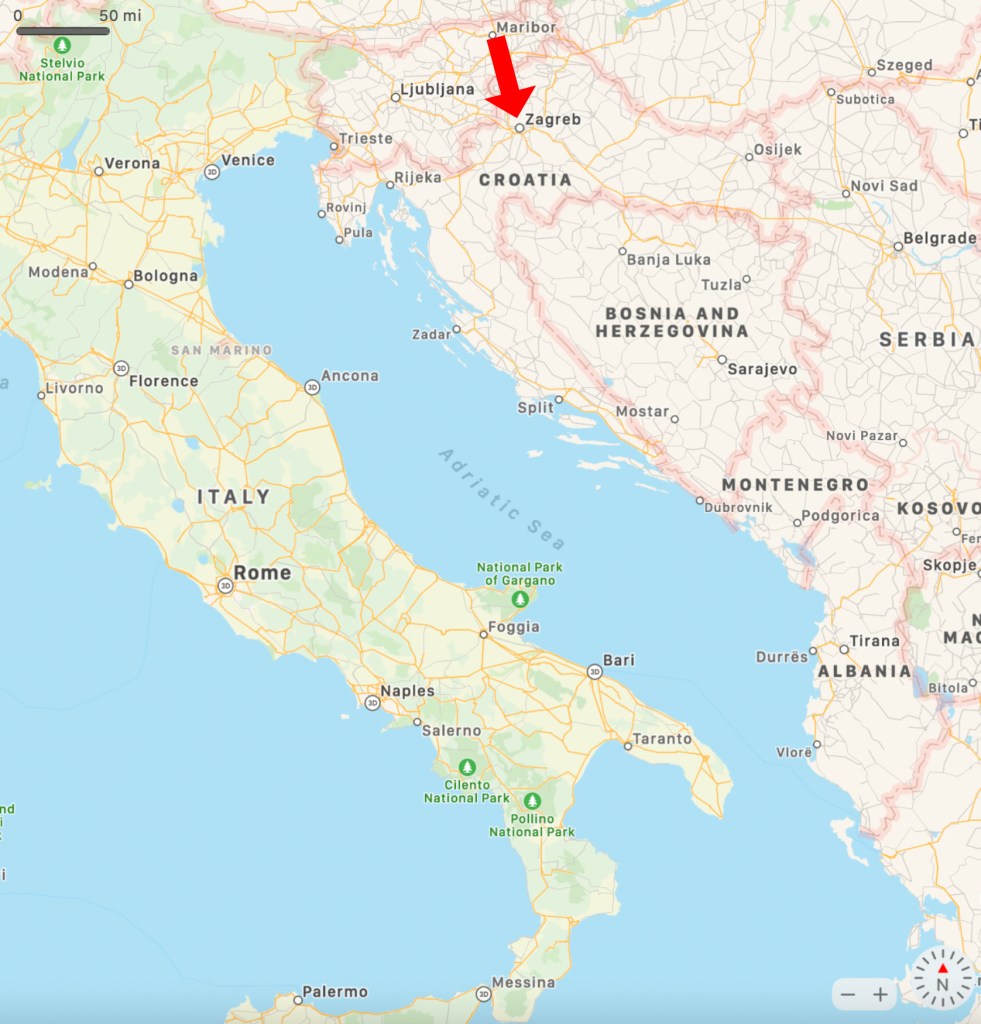
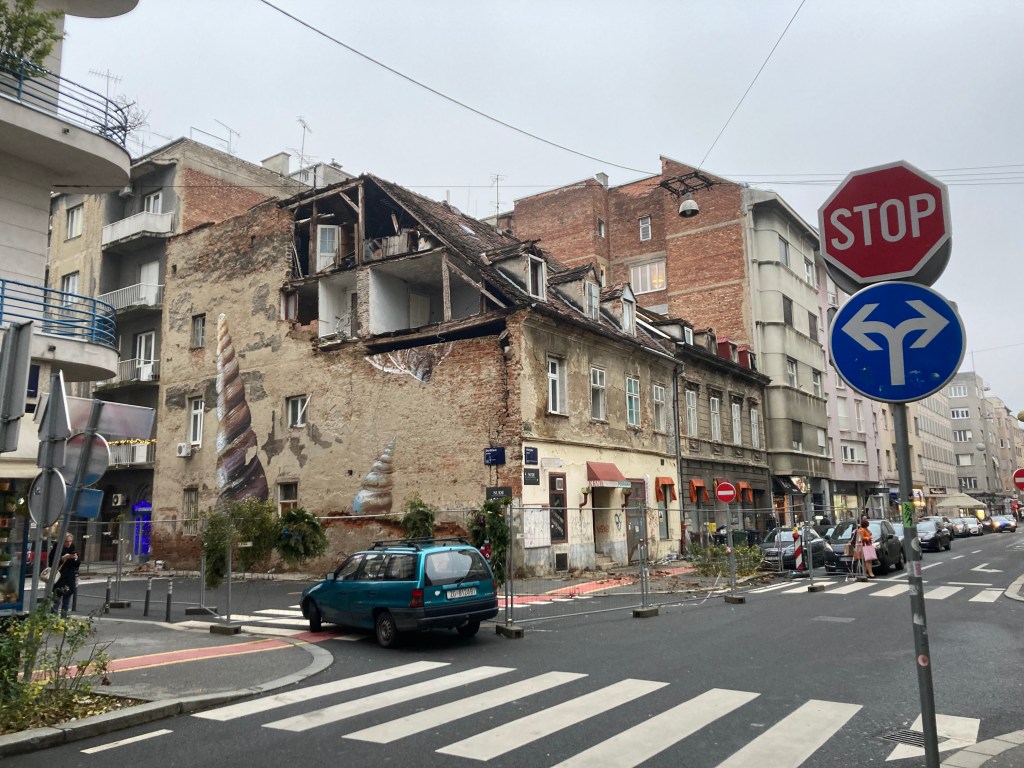
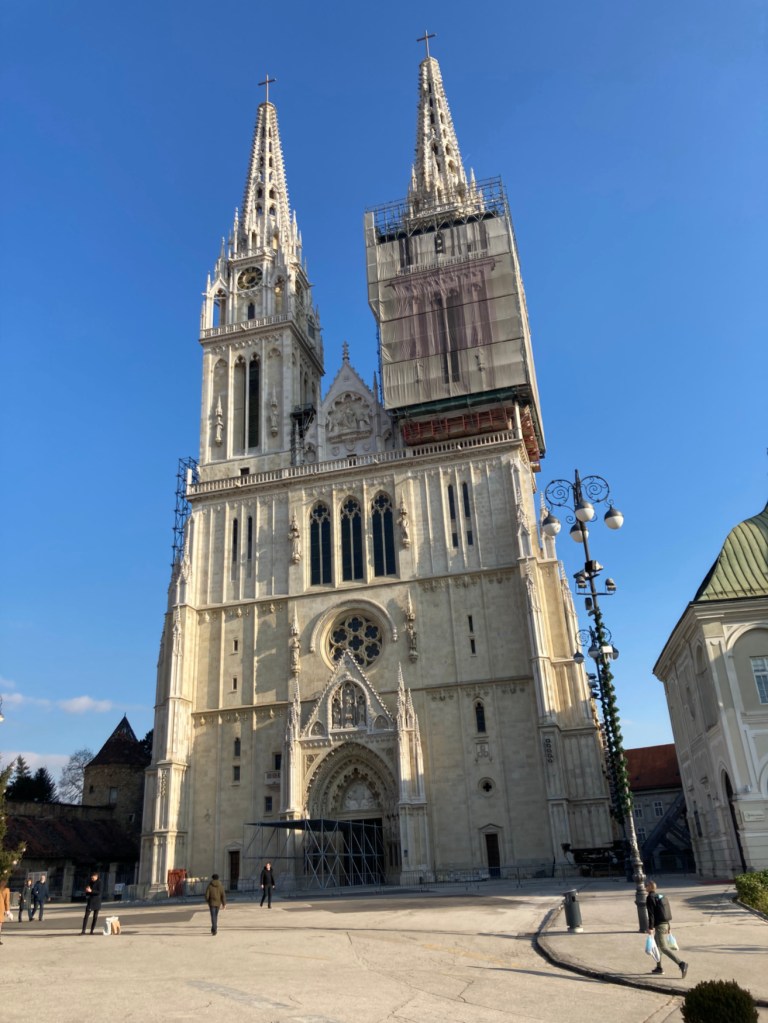
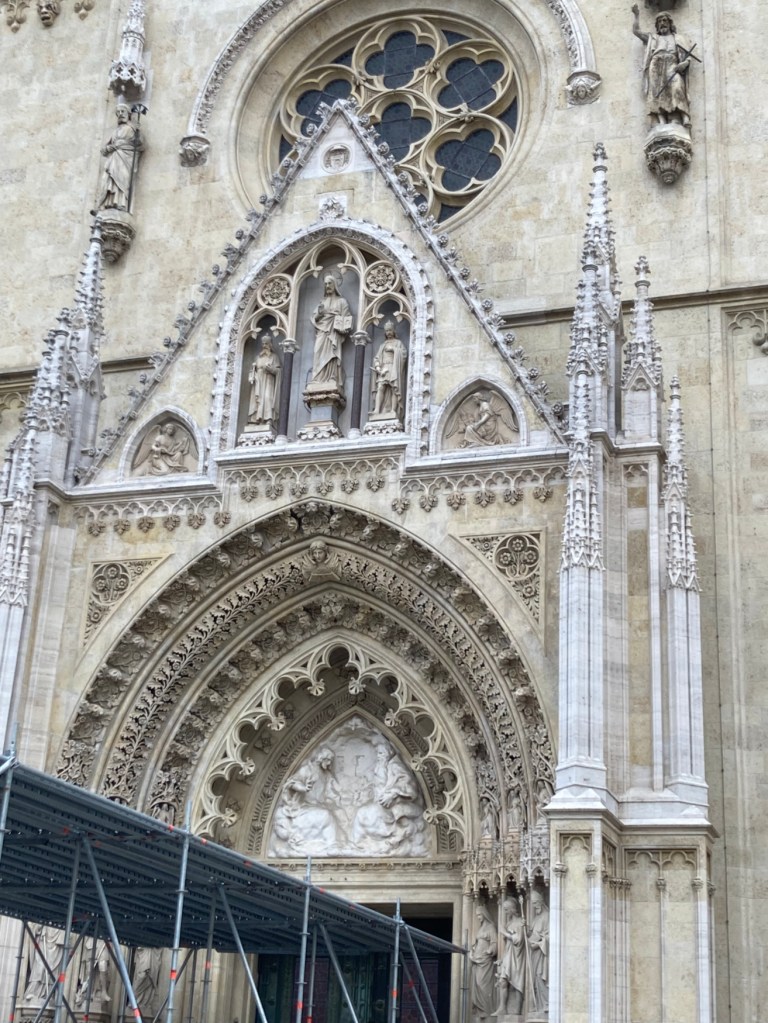
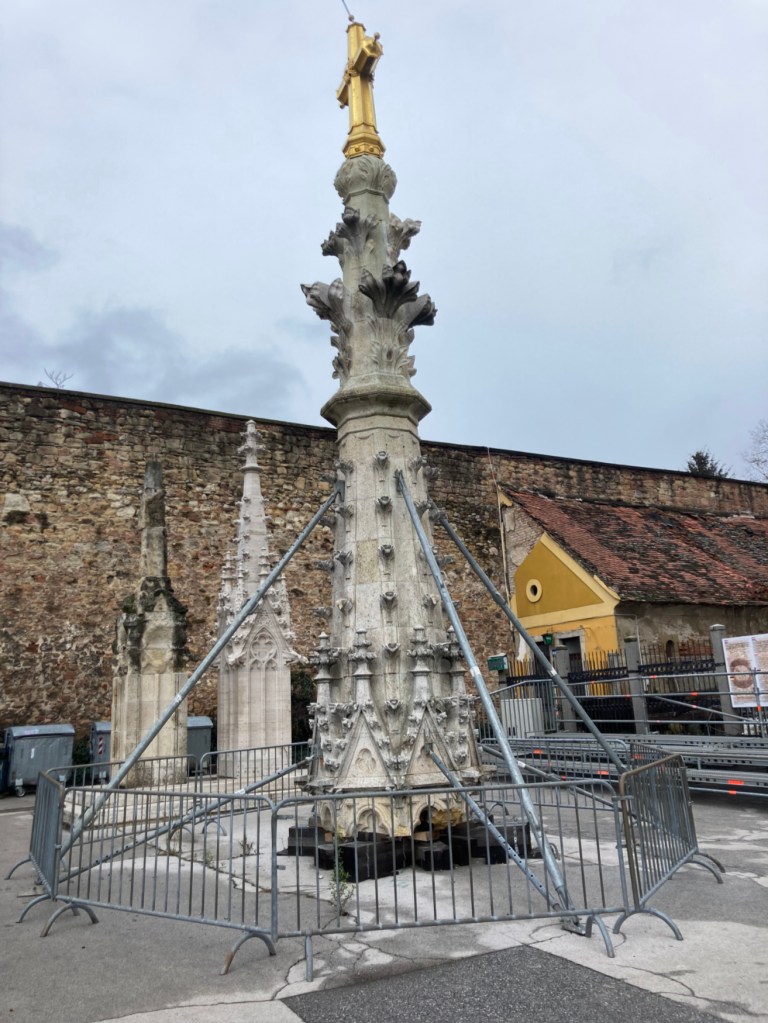
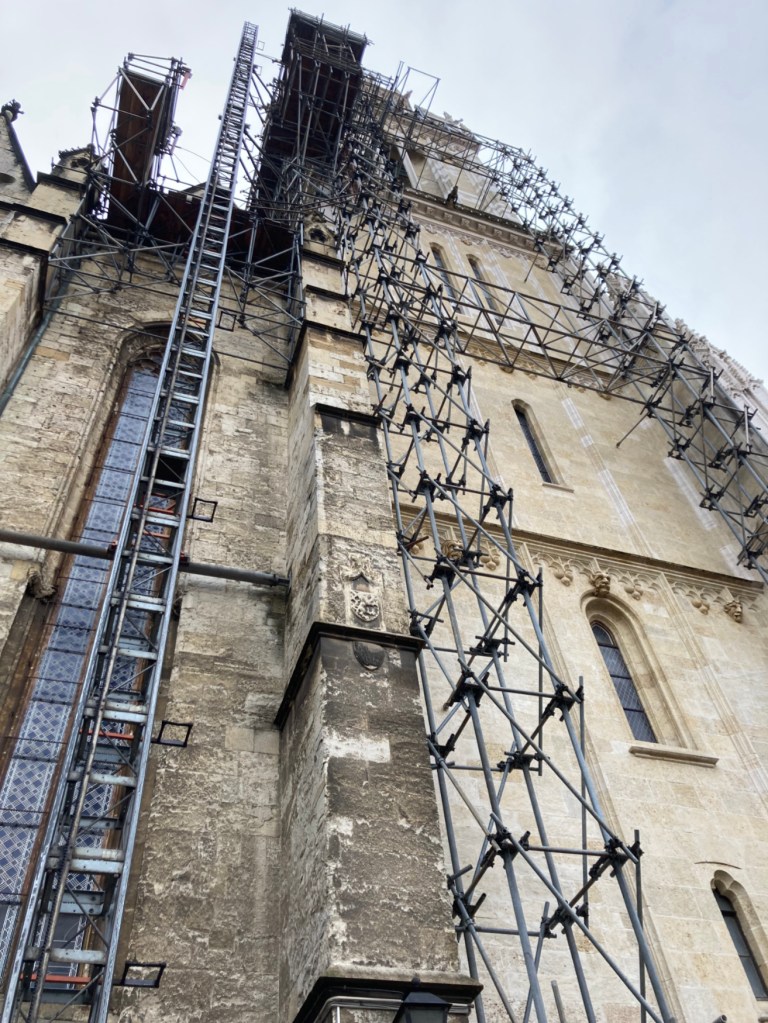
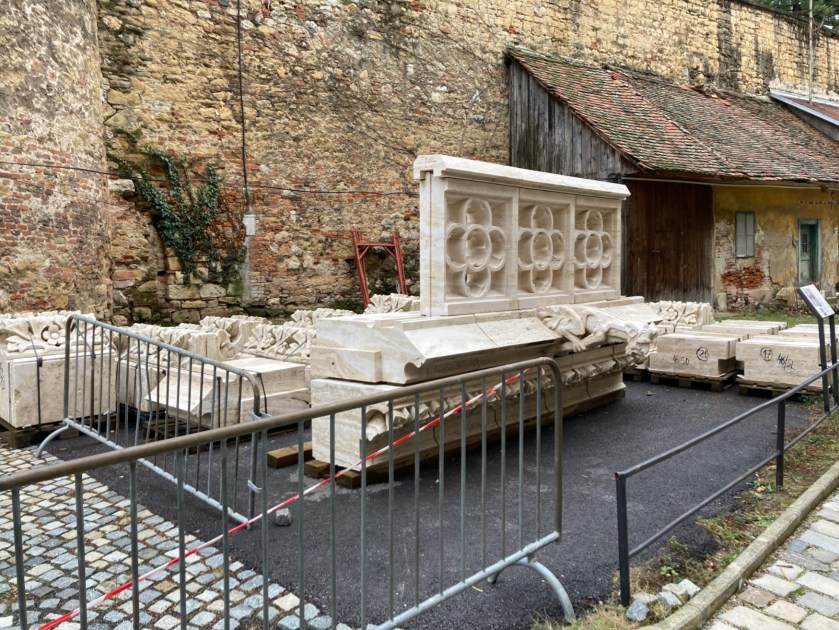
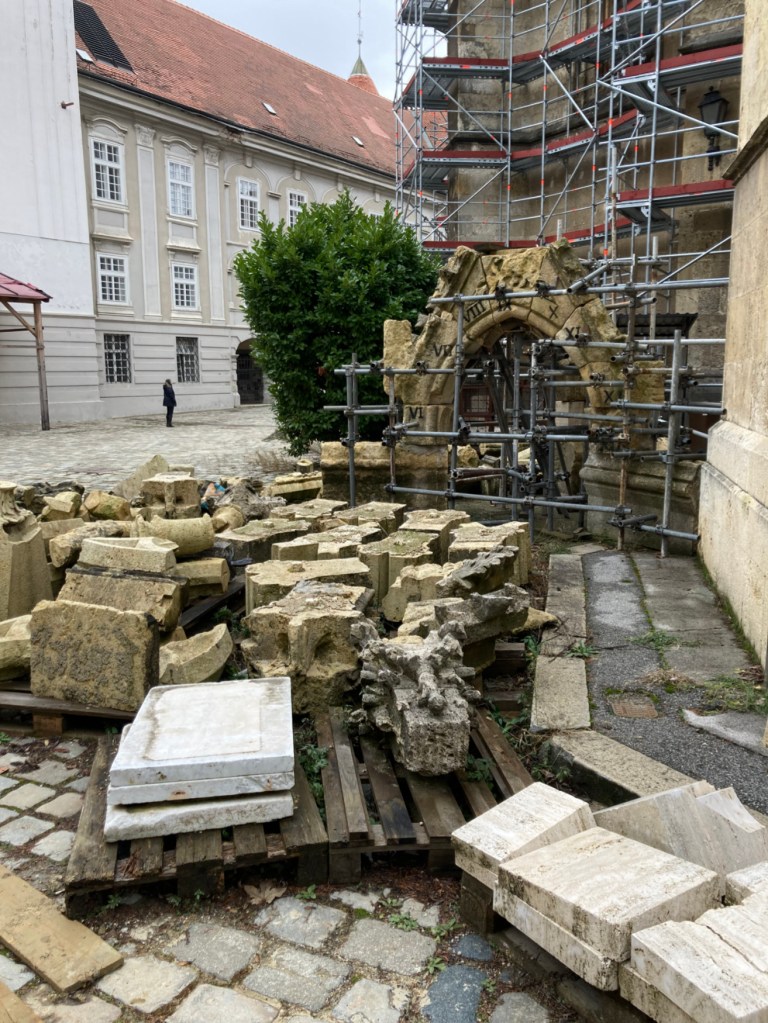
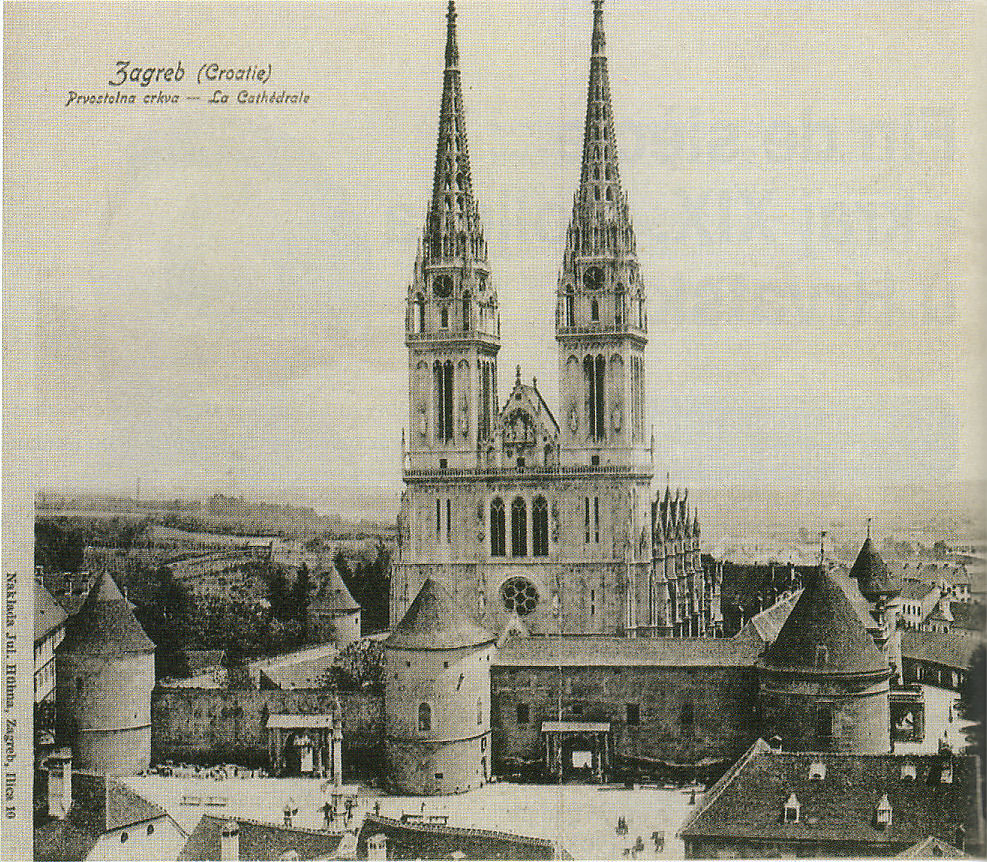
Earthquakes. According to Google, Zagreb is on the Adriatic plate, a small plate between the African and Eurasian plates. As the Adriatic plate goes north on its tectonic journey, occasionally, there are earthquakes. The Zagreb area had two significant earthquakes in 2020, one on March 22 and one one Dec. 29. Although, thankfully, few people were killed, a lot of buildings suffered significant damage. The Zagreb area is still recovering. The Cathedral is still not open. None of the major churches are open. Several museums are still not open. Zagreb, however, has so many museums and galleries, we have plenty to do.
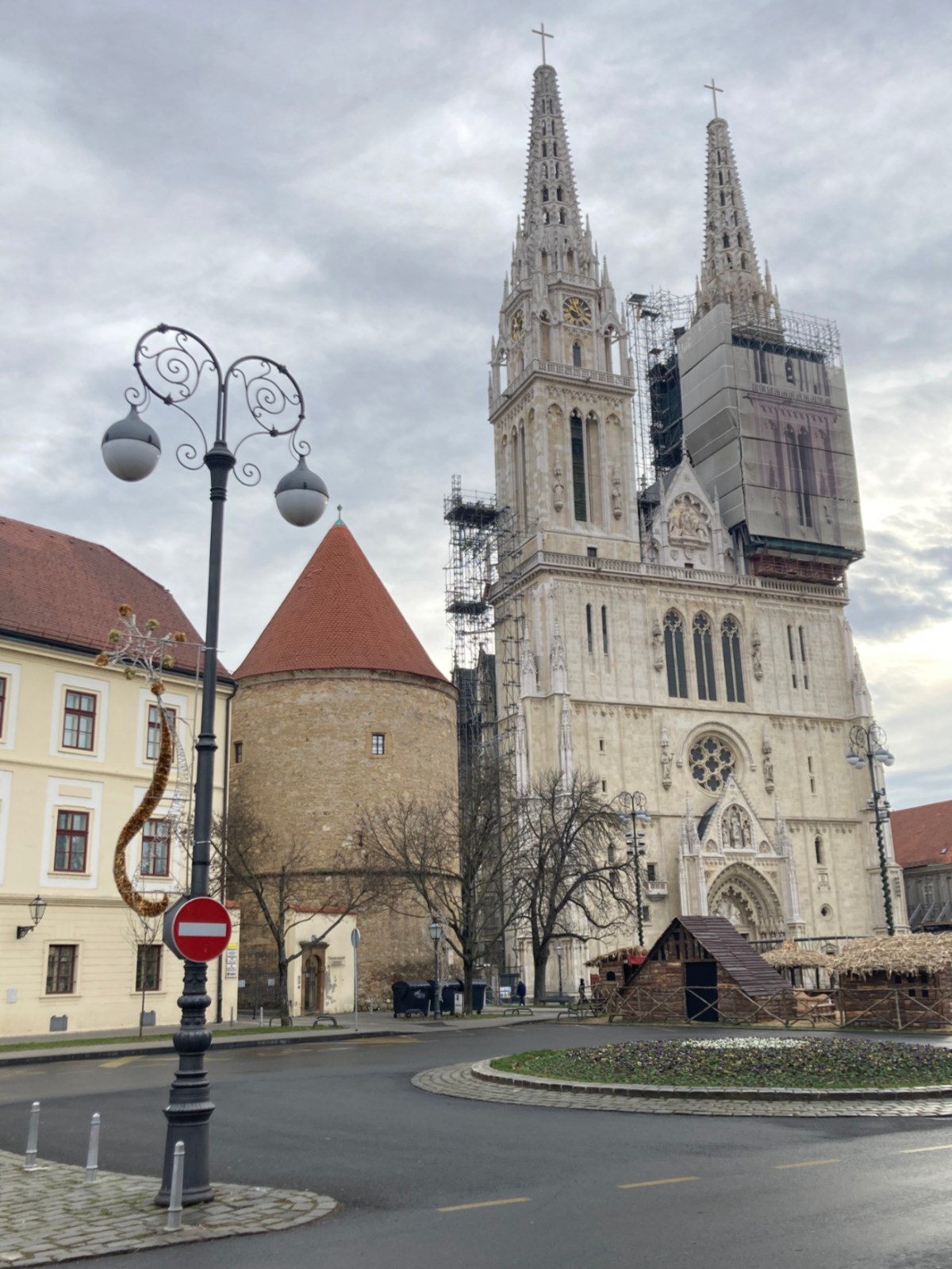
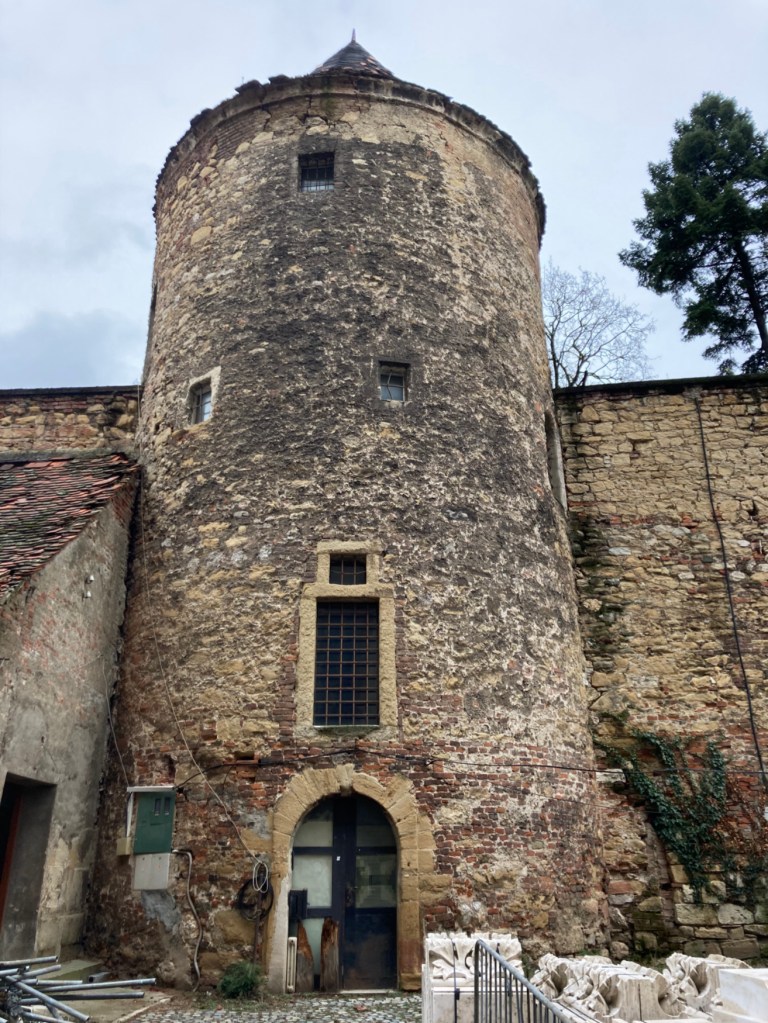
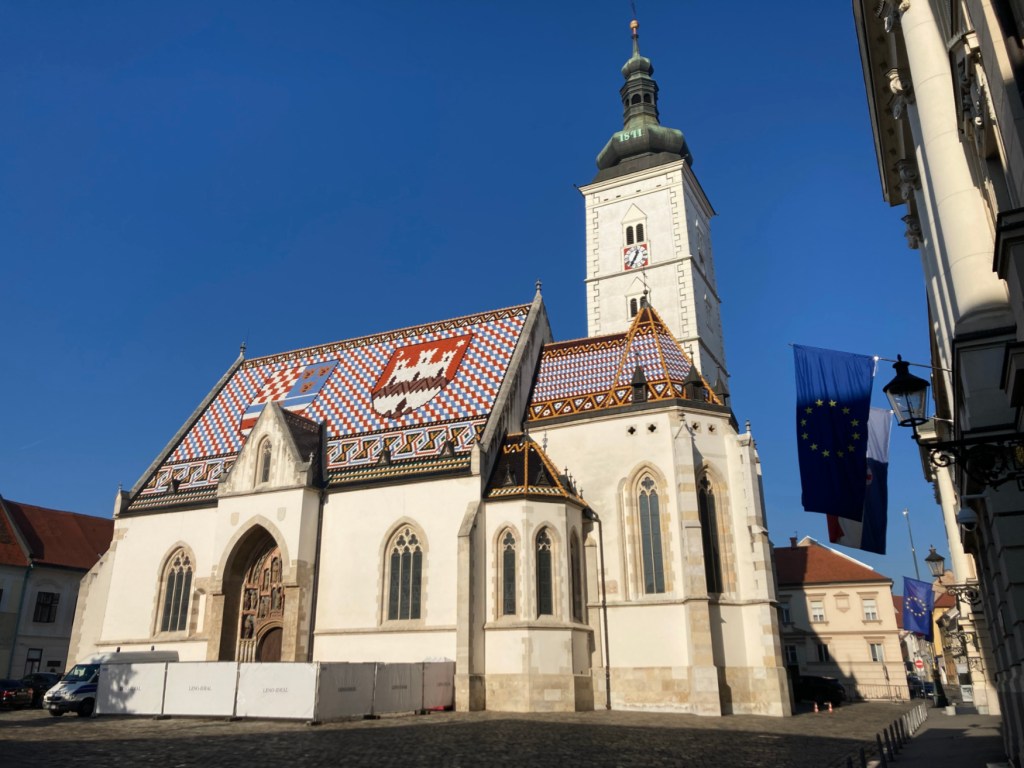
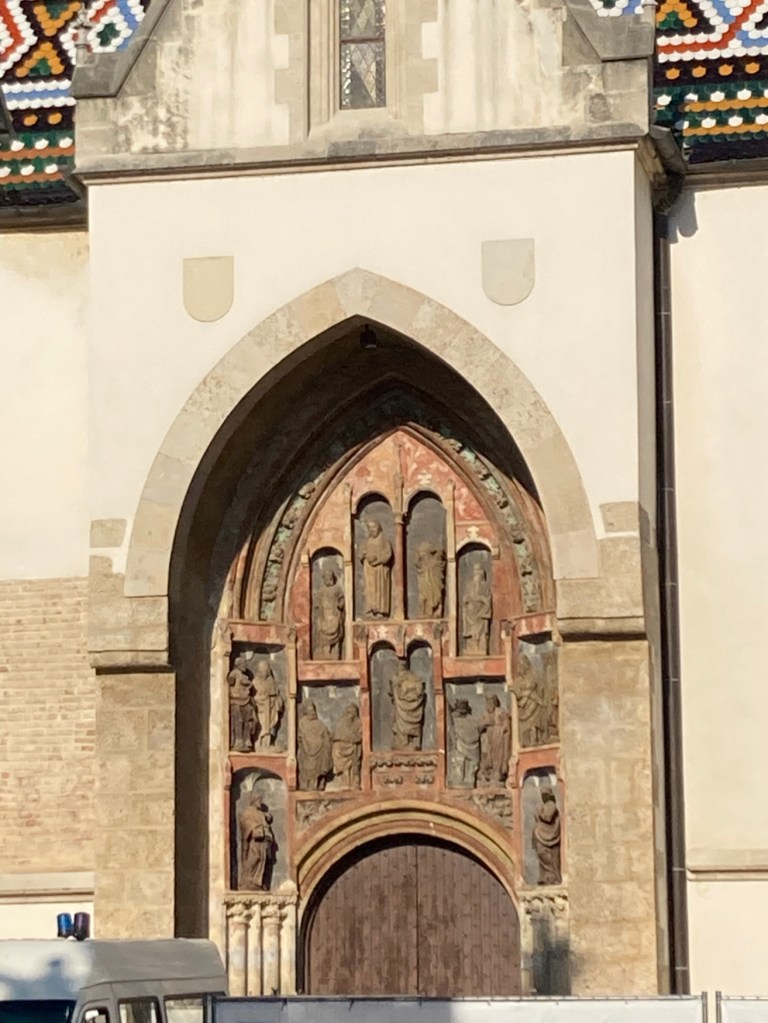
Zagreb is the biggest city we have visited. Lots of historical, tourist “stuff.” In this post I’ll show Zagreb’s most famous cathedral and church.
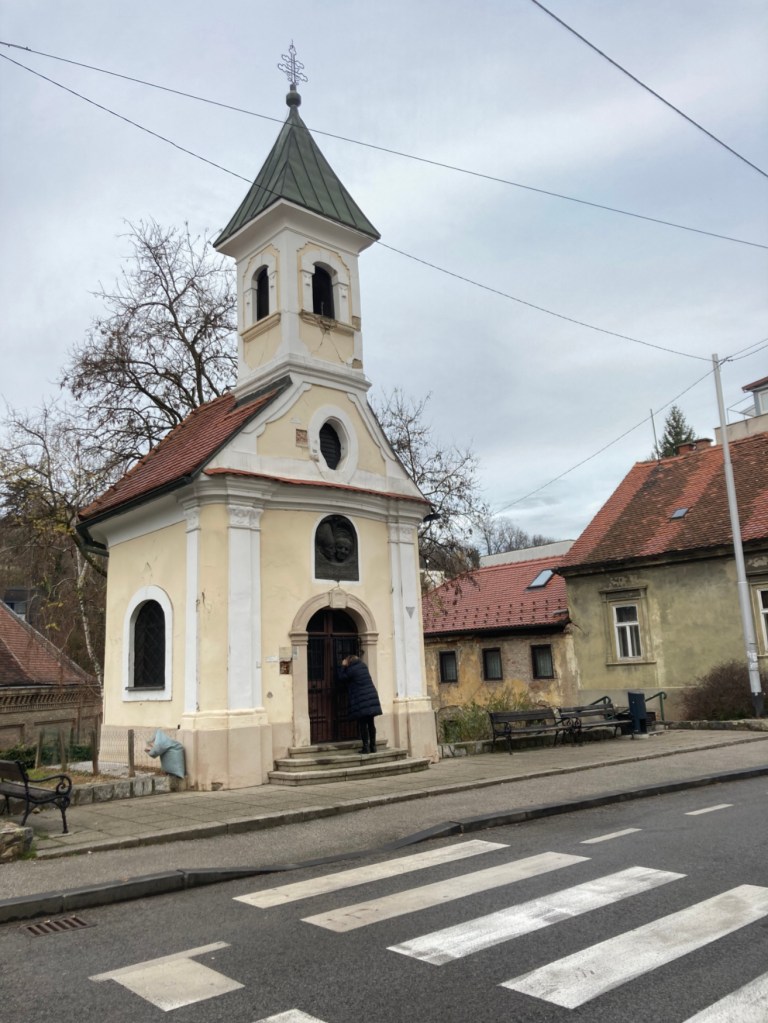
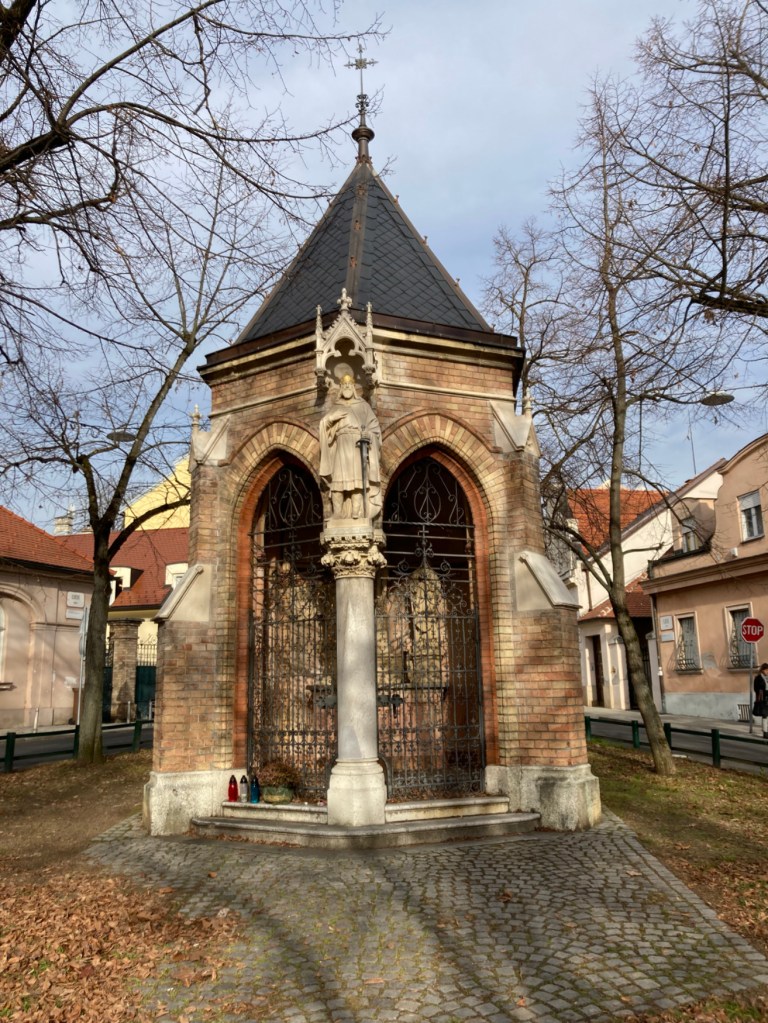
Small Chapels. Zagreb has a number of these small chapels and memorials. We saw a few of these small chapels in Rovinj as well. There must have been a “tiny church” movement at some point in Croatian history but Wikipedia is silent on this matter.
 John and Susan's Excellent Adventure